Soon, there’ll be a new sheriff in town. But let’s hang on to our neighborhood police | Opinion
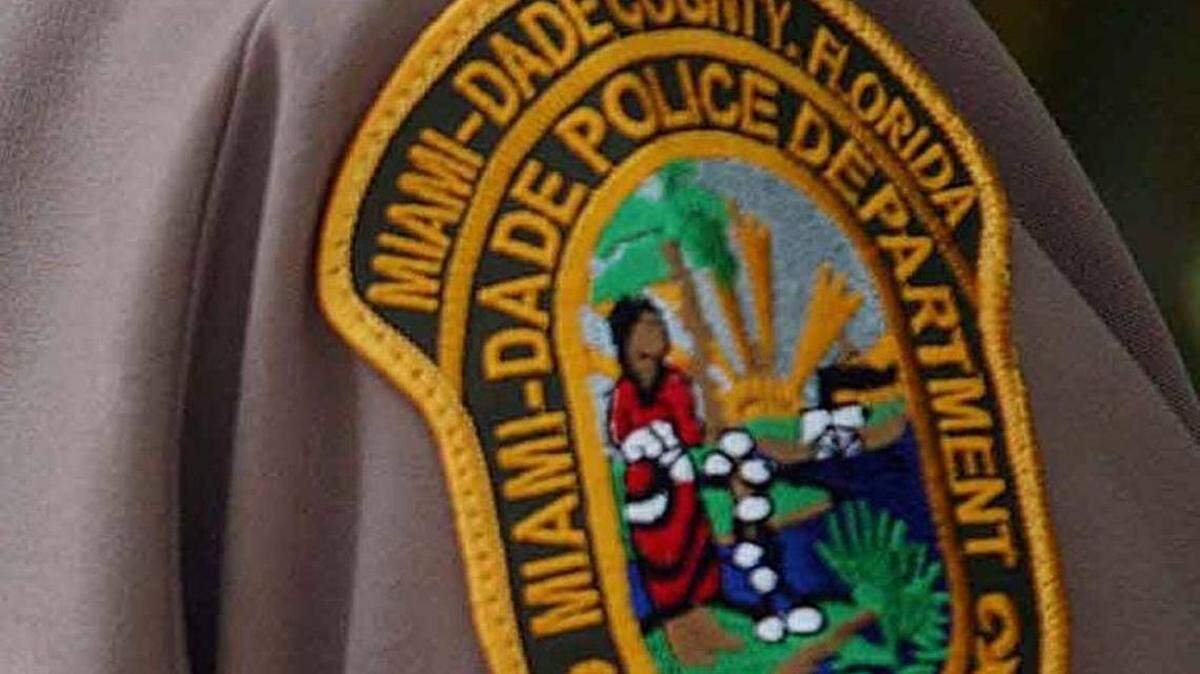
Two years from now, Miami-Dade County will elect its first sheriff since 1966, when the position was eliminated because of widespread corruption.
In 2018, voters passed a statewide referendum to create new political offices to run the affairs of sheriff, tax collector, property appraiser, clerk of courts and elections supervisor before 2025.
Locally, that means we must create a brand-new elected sheriff, tax collector, and supervisor of elections — a major undertaking for the three offices that currently are county departments headed by professional managers under a strong mayor and balanced by a legislative County Commission.
How this commission chooses to do that will have a greater impact on the daily lives of the 2.8 million county residents than any other decision we make. We must immediately start untangling the logistics of labor contracts, commercial real estate, equipment, procurement, IT services and legal commitments.
If we don’t do it right, we could end up spending a lot more taxpayer dollars than we do today for the same services.
If we really get it wrong when it comes to our police, we could spend more money for less service in some areas, create the future need to raise taxes and establish an inequitable system that punishes residents of unincorporated Miami-Dade.
Many people assume that the sheriff must assume leadership of the Miami-Dade Police Department. Not true. The amendment requires that the sheriff execute writs and warrants, keep order in the courts, suppress riots and apprehend those disturbing the peace, among other duties. This mandate can be executed either broadly or narrowly. The County Commission gets to decide, within reason, what it means and how it will affect every resident.
How we shape the sheriffs’ role may dramatically change our unincorporated neighborhoods, because, while residents of the 34 municipalities get to keep their police officers, MDPD as we know and love it today could be taken from unincorporated Miami-Dade.
How will not retaining MDPD as a functional municipal police force create inequity? Let’s do some math. Unincorporated part of Miami-Dade contains more than a million people. But it represents just over a third of the county’s total population. The rest live in cities, most with their own respective police chiefs appointed by their mayor or administrator.
In 2024, the new sheriff will be a countywide politician and have to appeal to voters who live in cities and in unincorporated areas. What if voters in the cities want more police service than their municipalities can provide? An elected sheriff might be incentivized to accommodate their requests to the detriment of non-city dwellers who lack the political might to unelect the sheriff.
Similarly, while residents of cities will have access to their police through their elected officials who can legislate policies, those in unincorporated areas will not. Their county commissioners and mayor will have no say regarding police policies. They will have to accept whatever the sheriff decides to enact and wait until the next election should they disagree.
Our police department is one of the finest in the country and the main reason unincorporated residents are happy to stay with a system that offers top-notch service at a lower tax rate. Currently MDPD works closely with county corrections and rehabilitation, juvenile services, Fire-Rescue, the state attorney and public defender, the judiciary, state and federal law enforcement, and community-based organizations.
We need to work with all of these partners to decide what to do with countywide services that MDPD provides, such as homicide investigations, homeland security, air patrol, economic crimes, public corruption, bomb disposal, the regional crime lab and our 911 Call Center.
We must start today and chart this path with equity in mind. We have to get it right, especially for all of the unincorporated residents who have no option than the municipal police force they count on every day. We should do everything we can to keep neighborhood police officers where they belong.
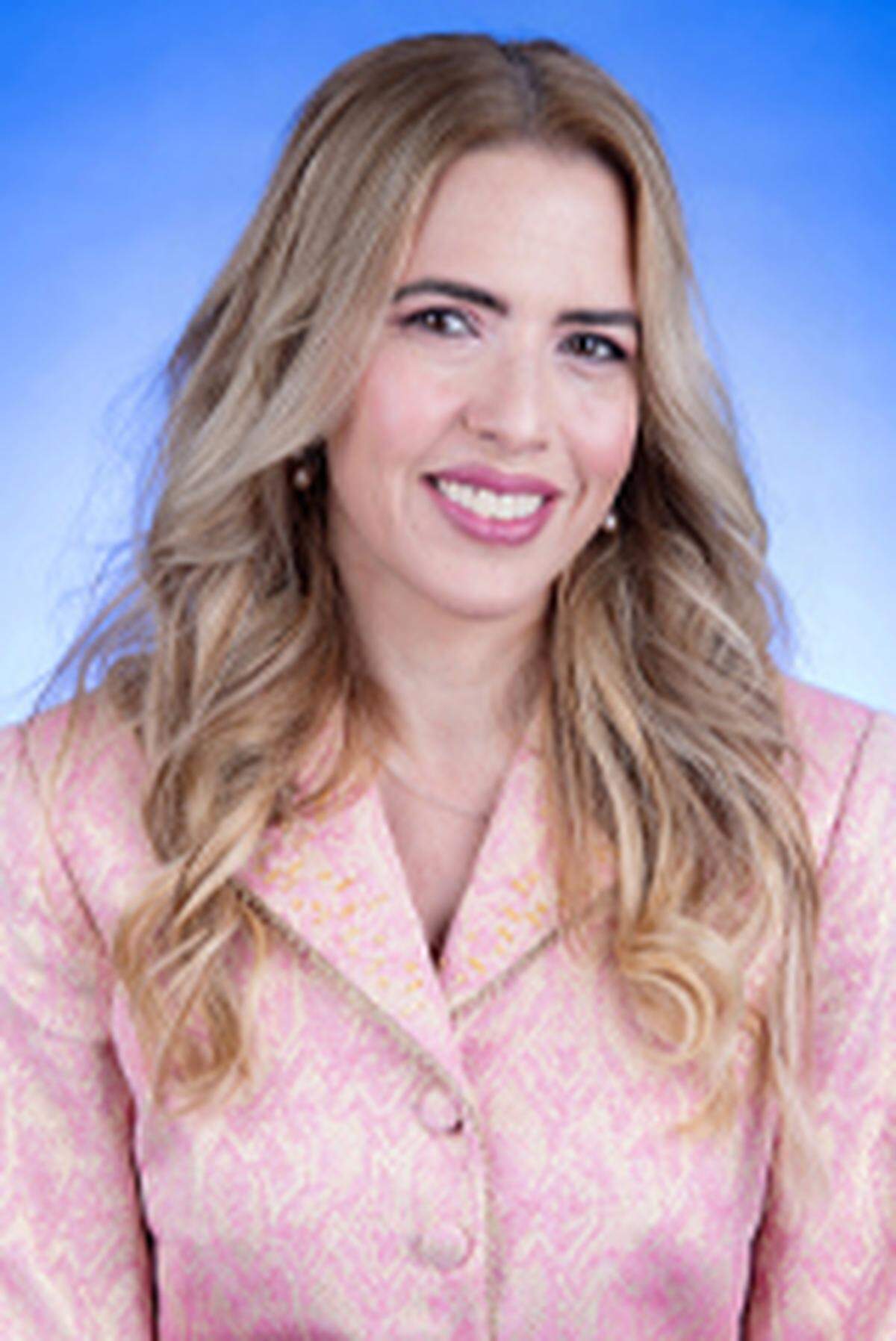
Raquel Regalado represents District 7 on the Miami-Dade County Commission.