
Domestic-violence service providers need our help as reports of abuse surge during COVID | Opinion
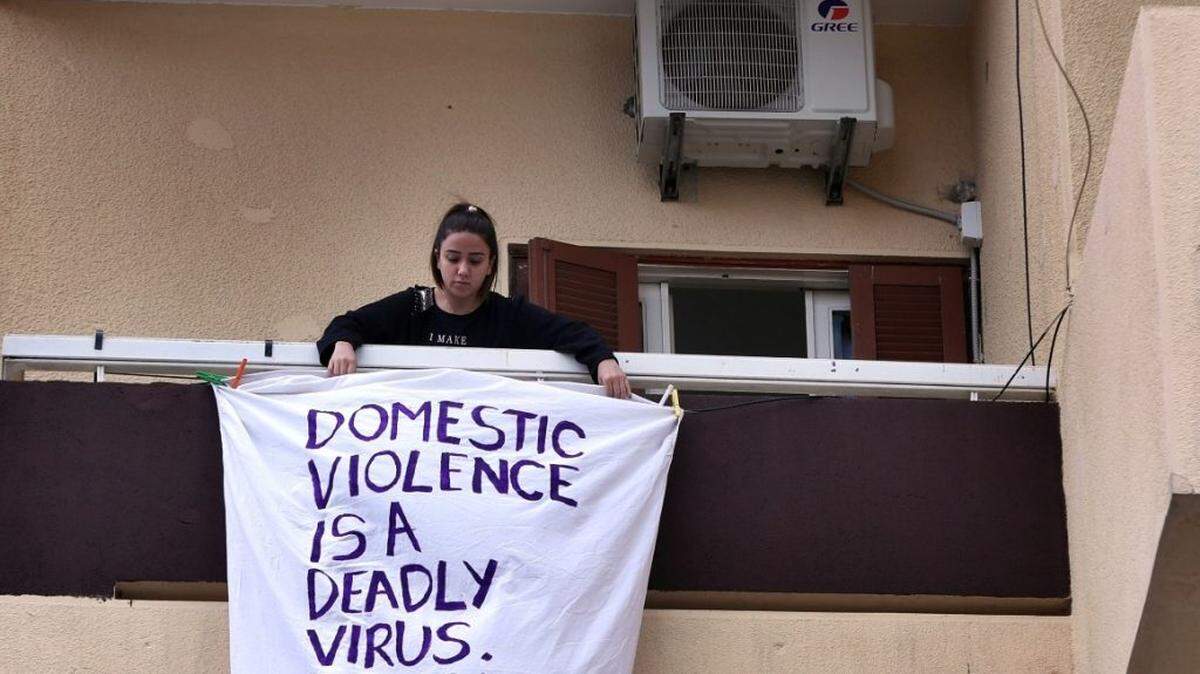
The pandemic has affected every aspect of our lives. However, it has had an additional impact on vulnerable members of our communities.
Survivors of domestic abuse and gender-based violence are facing what advocates around the world have described as a “double pandemic.” Domestic violence surged for many of those forced to stay home under early, and necessary, public-health orders. Now, as businesses and schools stagger through variants toward a return to “normal,” shelters and other critical support services are struggling. It’s an ongoing crisis, which hasn’t spared Miami-Dade.
In our research at the Human Rights Clinic at the University of Miami School of Law, we have spoken to shelters, judges, counselors and victim advocates in South Florida to understand their challenges. This will help devise policy responses that will better support these essential workers and the victims they serve. COVID-19 has not only created new gaps in our safety net, but widened relief gaps that have long existed.
At the start of the pandemic, providers and law enforcement both described an eerie slow-down in reports of domestic violence and child abuse — before they spiked. We also saw this online by examining search data for support in our region. As businesses and schools transitioned to remote work and learning, searches such as “report domestic violence” and “women’s shelter with kids” grew steadily over time, according to the online-safety firm Moonshot.
Providers unanimously described the increased difficulty in switching over to providing support virtually while losing the in-person interactions so essential to establishing trust. While many providers have found success in offering texting-based options for communicating with clients, survivors still have limited technological access and ability. Given that they are often at home with their abusers, finding a reliable way to maintain safe communications is critical.
“[W]e’re . . . reaching out to everyone and letting them know that, even though they’re not able to come to the office, we’re still serving virtually,” one provider said. “And a lot of people . . . [don’t] have Zoom or may have . . . a flip phone [and] only do calls. So we’re adjusting to people and helping them [in] some way so that [they are] still able to receive services.”
Providers have also felt the squeeze of losing volunteers and donations at the very time demand for new services increased. Instead of specialized counseling and legal support, survivors need basic material and nutritional provisions. Specialists have found themselves packaging and delivering groceries and PPE. They described feeling more like “part of [their] clients’ family” than ever before. But what was once a “case-by-case” approach now has become standard.
We know that economic independence is one of the most crucial factors in domestic and gender-based violence prevention. But what we’ve learned in our interviews is the impact of a long-term lack of resourcing by federal and state authorities. This has created a dynamic that hurts not just vulnerable survivors, but also private organizations that have stepped in to provide basic services to survivors.
There are several creative ways policymakers on the state and local levels can — and should — act. We need legislation that creates a countywide gender-based-violence survivor stockpile of materials that meet basic needs; supports programs that use targeted, community-based violence-interrupter models; and funds services that meet long-term needs such as healthcare, housing and food.
Additionally, establishing a municipal body that strengthens and better coordinates existing coalitions of gender-based-violence providers would streamline and better centralize important information about services available. This body should also be tasked with helping fundraise for providers.
Finally, at every step of the way, policymakers must involve the voices and experiences of survivors, particularly those of women of color and LGBTQ+ individuals.
The efforts by counselors, shelters, advocates and volunteers to navigate the “double pandemic’‘ have been nothing short of heroic. We need to support their efforts and deliver lasting services that equip these heroes to truly meet the needs of our most vulnerable.
By doing so, we can emerge from the pandemic stronger than ever.
Caroline Bettinger-López is professor of law and director of the Human Rights Clinic at the University of Miami School of Law. Denisse Córdova Montes is practitioner in residence in the Human Rights Clinic at UM’s School of Law. Celia Davies is director of International Programmes and director of ethics at Moonshot.
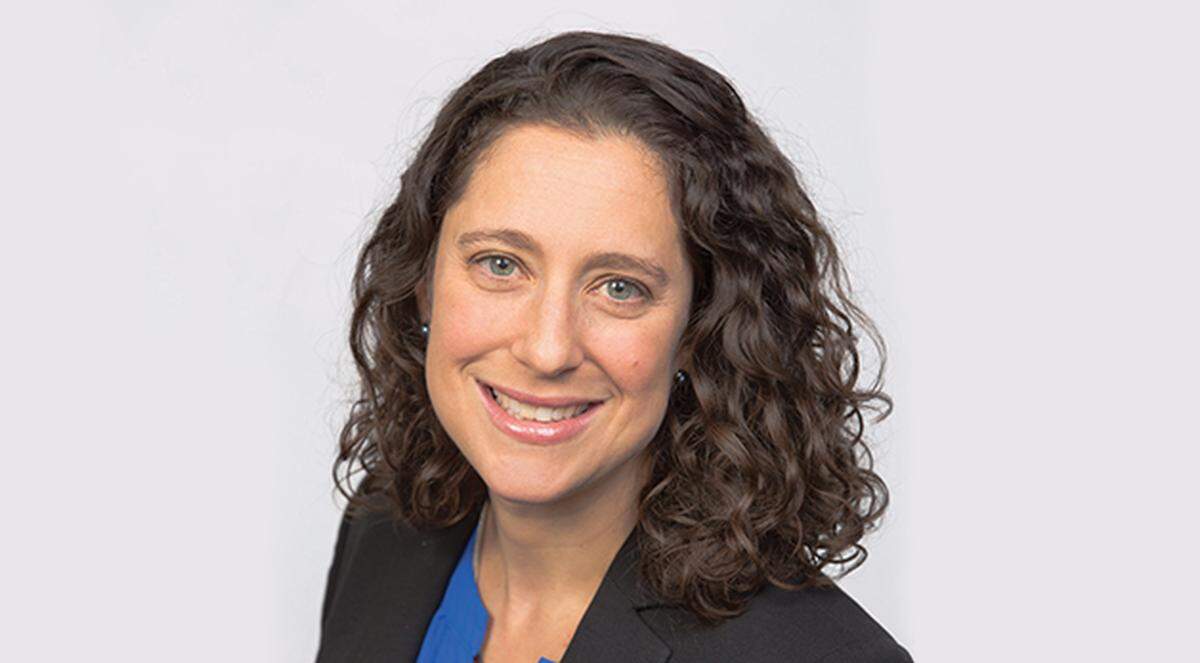
Caroline Bettinger-López
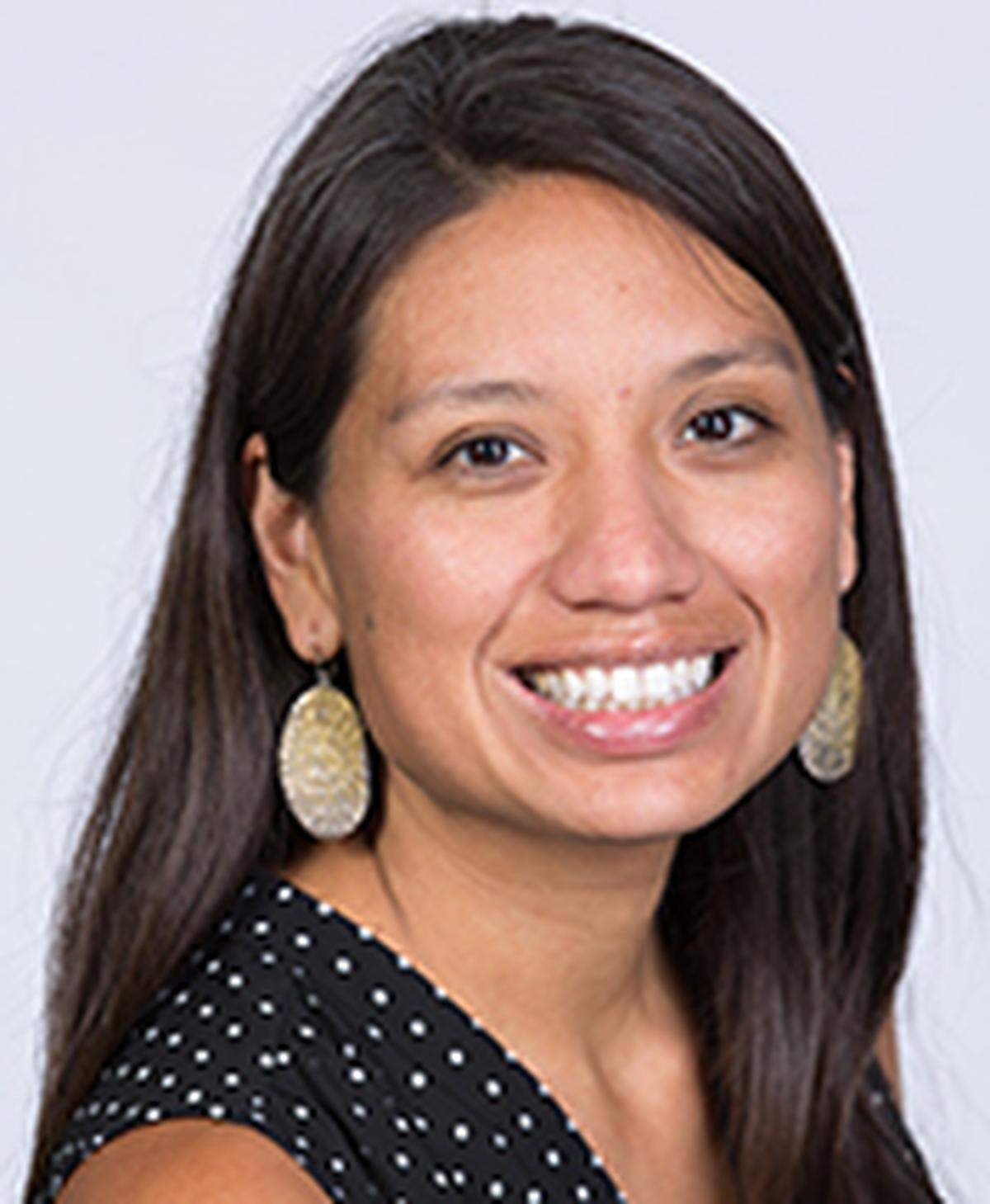
Denisse Córdova Montes
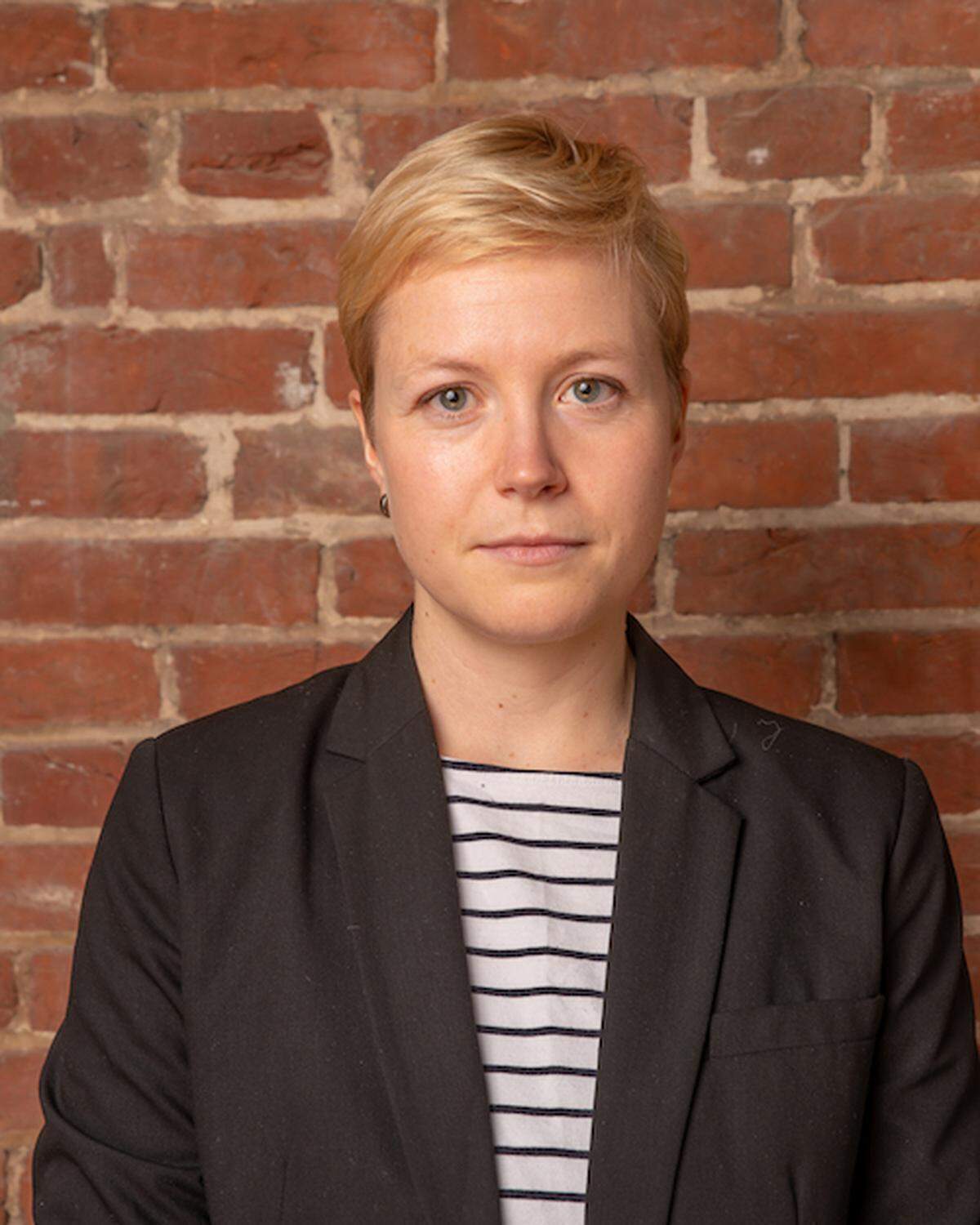
Celia Davies
This story was originally published February 3, 2022 at 1:10 PM.