South Florida ranks last nationwide in volunteering, mentoring. Let’s do something about it | Opinion
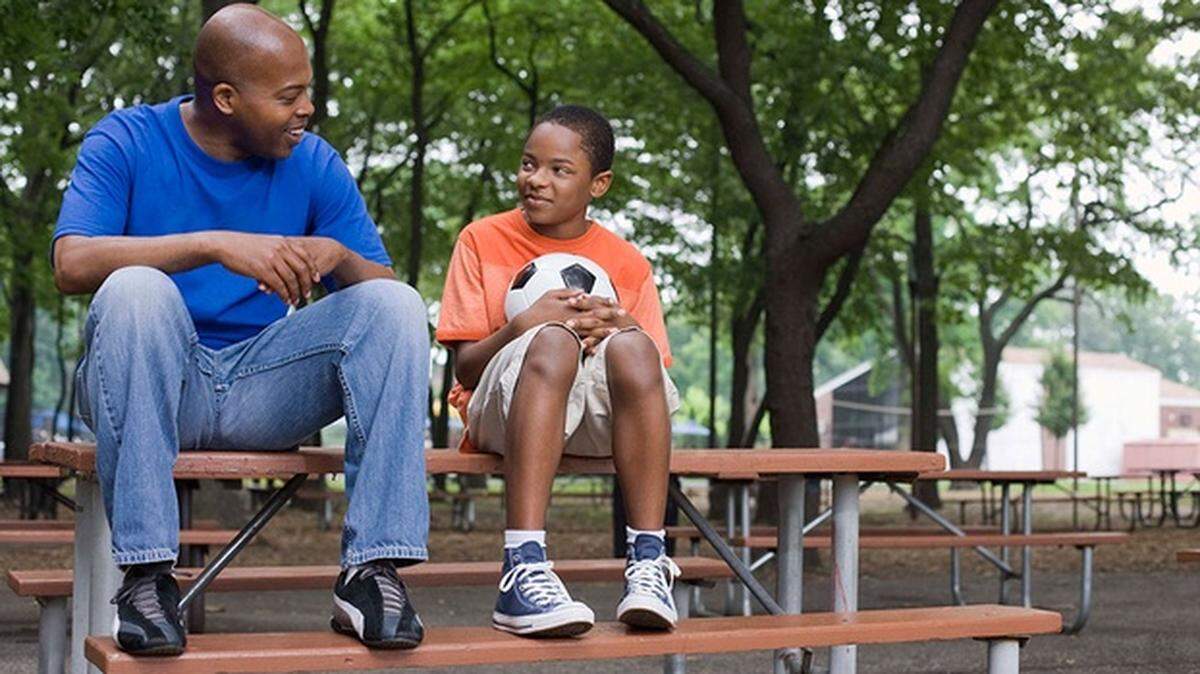
The latest data confirm mentoring’s impact on keeping youth on a positive track — particularly during the pandemic — while it also brings significant value to the communities, corporations and people who engage in such programs.
However, Miami and the state of Florida continue to rank dead last nationwide in engagement in mentoring and other volunteer activities. The math is simple: We need to step up our game and take better advantage of the opportunities available to ensure the brightest future for our youth and our community at large.
As a region, we should look at these alarming numbers and work together toward a solution. The Corporation for National and Community Service ranks Florida as the lowest volunteer state in the nation, with 22.8% of residents volunteering statewide. The Miami/Fort Lauderdale area ranks even lower: 18.7% of residents volunteer, ranking them lowest among studied metropolitan areas.
Yet, the benefits of mentoring speak for themselves, with recent reports from the U.S Department of Education showing that youths with mentors are more likely to graduate from high school. A 2020 report from the Children’s Trust indicates that unemployment rates for high school dropouts are four times higher than the national average.
Every day, in collaboration with Miami-Dade County Public Schools faculty and staff, our “Littles” (youth mentees) feel the value of having a “Big” (adult mentor) in their lives. The numbers don’t lie.
As it pertains to Big Brothers Big Sisters of Miami, the leading youth-mentoring program:
- 90.2% of our youth mentees maintain or improve academic performance.
- 93.1% maintain or improve avoidance of risky behaviors.
- 95.4% maintain or improve educational expectations.
- 99.6% are promoted to the next grade or graduate from high school.
- 95% go on to enroll in college or post-secondary schools.
- 88.5% report a stable or improved connection to their education.
- 100% avoid the criminal-justice system.
Who are the youths we serve? Those who need it most:
- 80% live in a household that earns less the area’s median household income.
- 89% are eligible for free or reduced-price lunch.
- 98% are minorities (52% Black, 36% Hispanic, 5% multi-racial/ethnic, 5% “other”).
- 61% live in a single-parent home, and an additional 7% live with a grandparent, sibling guardian or other adult.
In 2019, the most recent data available, Miami-Dade County Police recorded 2,877 juvenile arrests. Of those, not one was a BBBS Miami Little. Every incarcerated youth costs Florida taxpayers $90,155 a year.
There is no doubt that mentoring works. It brings great value to the youths and their families who participate in the programs, as well as to the mentors themselves. Notably, corporate members of our “School to Work” program (Workplace Mentoring Program) report greater employee engagement and retention. And at a time when we need it most, we continue to build mutual trust and respect with law enforcement and youths through our “Bigs In Blue” program.
During the pandemic, children were more isolated than ever because school and other activities that usually kept them supervised by adults and off the streets were canceled. Additionally, families are feeling more stressed, dealing with a new set of uncertainties including illness to loss of employment. For many of the youths we serve at Big Brothers Big Sisters of Miami, their relationships with their Bigs are one of the few constants they can trust to help them stay on track in an ever-changing world.
This January, as we recognize National Mentoring Month and look ahead at our plans for a new year, let’s all ask ourselves: What we can do to give back and help our youth, who represent our community’s future? Together, we can do this — now, let’s go!
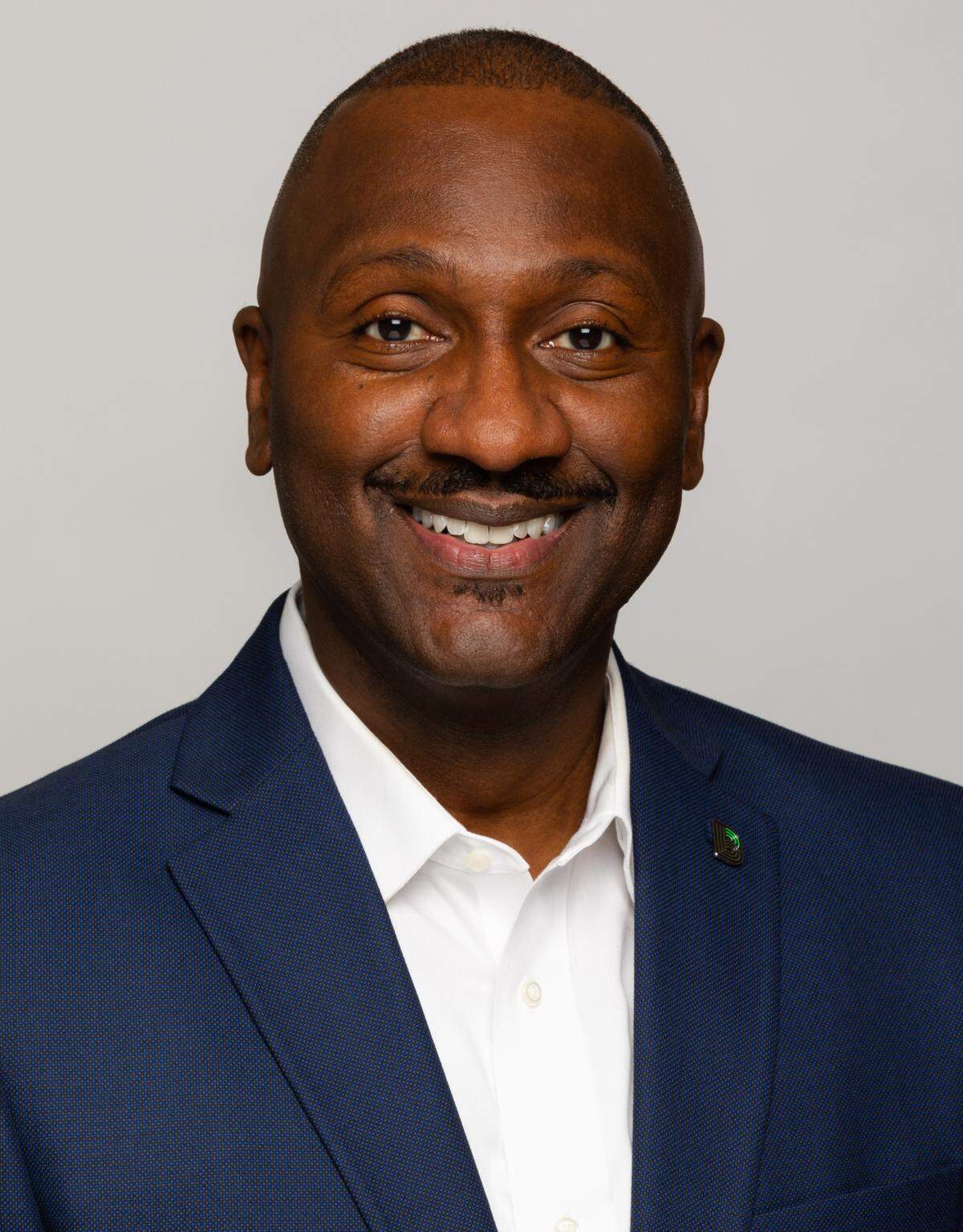
Gale Nelson is president and CEO of Big Brothers Big Sisters of Miami.