The ‘Great Resignation’ can lead to greater empowerment for nation’s workers | Opinion
During the past two years, U.S. workers were asked to make drastic lifestyle changes in the name of public health.
Businesses shuttered, and shelter-in-place restrictions were mandated, placing our economy in a coma. More than 800,000 Americans died from COVID-19-related conditions. For countless Americans, staying home meant accepting the burden of financial insecurity. Higher-wage earners had more options to work from home, options not possible for economically vulnerable Americans.
As working-class families watched the inequality gap widen, the Treasury moved swiftly to provide economic relief. Three rounds of stimulus checks became the gauze used to slow financial hemorrhaging for many. Never intended to address increasing inequality and likely falling short of making many workers whole, these cash infusions entered our money supply, creating fears of inflation. Inflationary hawks, already in flight, are poised to peck at the low-hanging fruit: programs benefiting the working class. And why wouldn’t they? The majority of the working class lacks bargaining power. Targeting the mega-magnates and donor darlings requires courage. Political benefactors buy bargaining power through obscenely lucrative contributions. The flood of memes blaming “Brandon” for inflated gas prices resonates with the ill-informed, overlooking the opulence of executive pay.
Today, the average CEO earns 351 times more than the average worker. For five decades, inflationary wildfires of economic disparity burned unnoticed and undisturbed. A 2021 report by the National Low Income Housing Coalition found full-time, minimum-wage workers cannot afford rent anywhere in America. The report pegs the minimum hourly wage necessary to afford rent at $24.90 an hour, while Amazon CEO Jeff Bezos’ D.C. mansion sports 25 bathrooms. Without an intervention, corporate amorality will consistently value profits over people. The Biden administration set forth an aggressive agenda with two cornerstone proposals: The first hardens our dilapidated infrastructure while creating well-paying union jobs. It received bipartisan support and was signed into law, a $1.2 trillion investment towards ensuring America’s economic competitiveness in the 21st century.
The second prioritizes investing in our social infrastructure, boldly providing universal pre-K, expanding in-home eldercare, improving healthcare access, lowering the price of prescription drugs, supplying generous tax incentives for renewable energy and a continuation of the child-tax credit, among other benefits.
Dealt a potential death blow, President Biden’s Build Back Better plan stalled in the Senate after Sen. Joe Manchin, D-West Virginia, withheld his crucial support, citing tone-deaf concerns about inflation and debt. A continuation of the child-tax credit, which has lapsed, would provide parents with an economic lifeline that already has addressed childhood poverty, cutting it by more than 40% over the program’s duration. A sidelined working-class lacks the bargaining power to shift the focus on inflationary concerns toward Trump-era tax policies that provided leniency toward lavishness.
Vibrant, healthy economies, much like ecosystems, rely on elements of interconnectedness to prosper. Low-wage earners, some forced to choose between work that barely covers childcare costs or leaving the workforce to stay home with young children or aging parents, are making their frustrations heard.
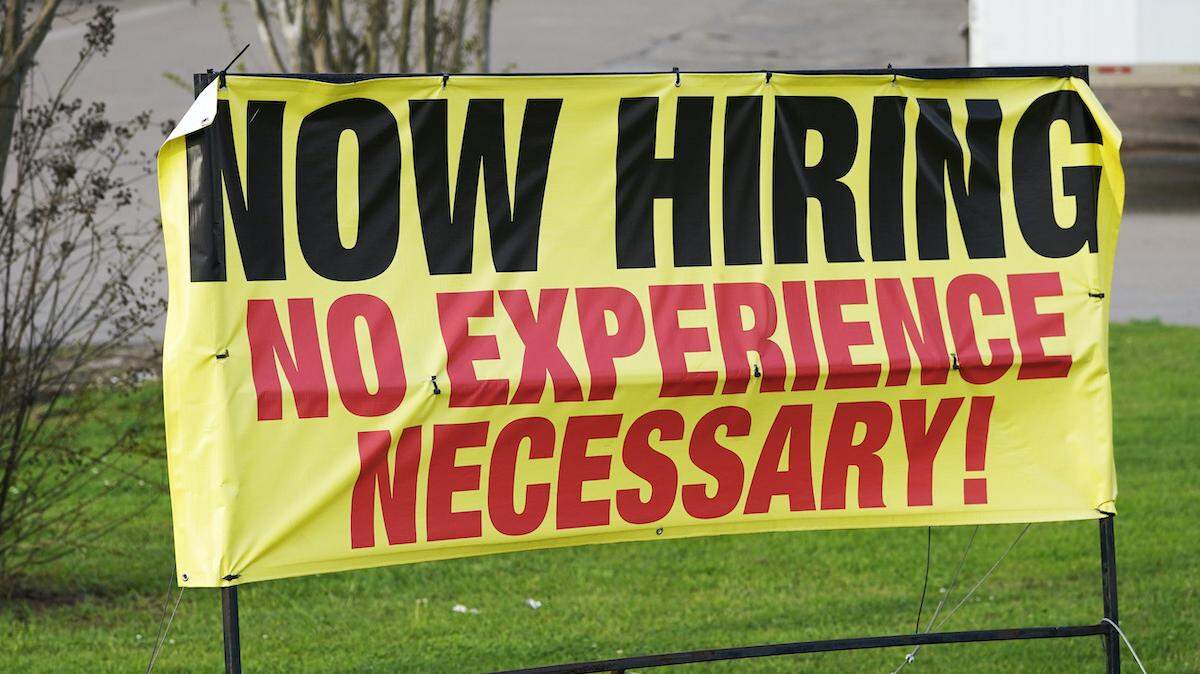
The “Great Resignation” metastasized into the unofficial American workers’ “general strike” of 2021. Initially misunderstood, the departures are not about lazy workers. They’re about workers demanding collective equity, living wages, better working conditions and more mobility.
Workers, fed up with being exploited and a seeming inability to get ahead, must recognize this generational opportunity to turn a disorganized demand for dignity into an organized demand to bargain, collectively.
Fed up? Join a labor union. Holding out your hand to demand dignity is mistaken for begging. However, holding out our hands collectively, in demand of being valued, unmistakably creates the power to bargain. Unite, organize and fight for a more-equitable future.
John O’Brien, MPA, is a firefighter and a labor-union organizer in South Florida.