Did prosecutorial abuse in Puerto Rico wrongly send ex-official Julia Keleher to prison? | Opinion
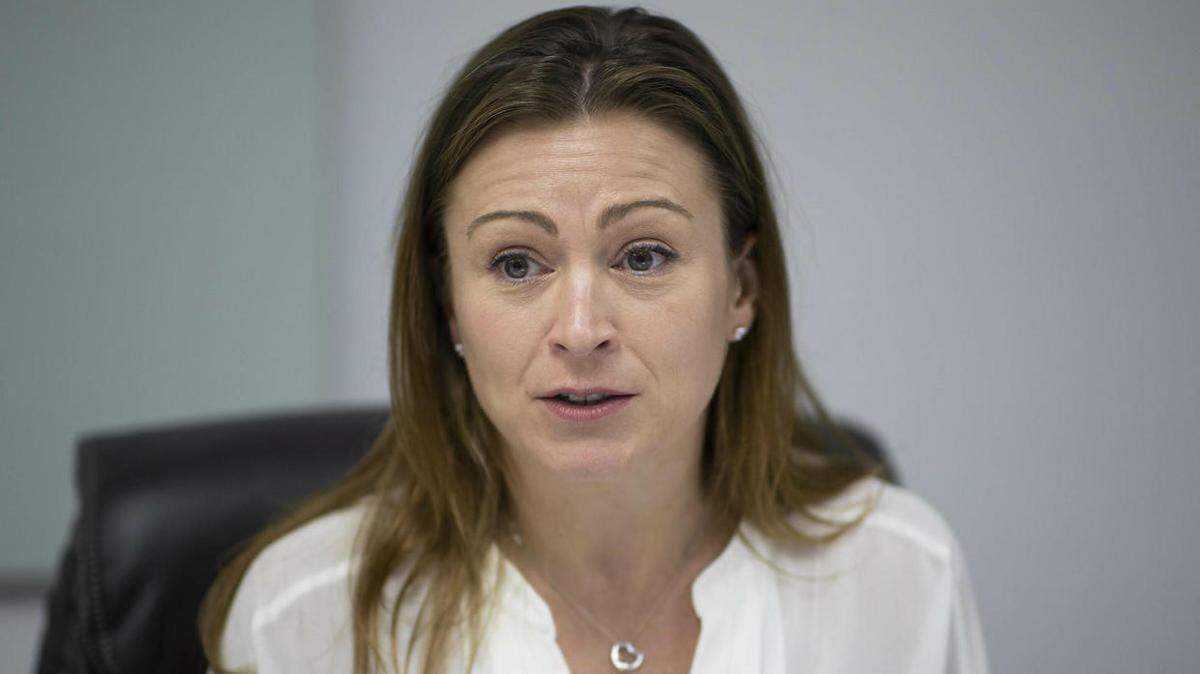
On Dec. 17, Julia Keleher, Puerto Rico’s 40th secretary of education, was sentenced to six months in prison and 12 months of home confinement after entering into a plea agreement with the government. She pleaded guilty to two conspiracy crimes constituting felonies.
Here are indisputable facts:
- One guilty plea involved a contract that did not benefit Keleher by one penny, directly or indirectly.
- The second guilty plea involved Keleher receiving a $12,000 closing incentive in 2018 for the purchase of a new apartment. The unit was owned by a developer who allegedly would be favored by the broadening of a road near a school. However, the road expansion was officially approved by the Puerto Rican Planning Board (required before the road could be broadened) and the governor of Puerto Rico by executive order in 2003. And more relevant: There was no dispute that Keleher, as education secretary, had no legal power over school buildings or any role whatsoever in the decision to broaden the road. In other words, there was no quid pro quo and no corrupt use of her powers. The benefit of receiving a closing incentive was available, in varying amount, to anyone who purchased a new apartment.
These guilty pleas occurred almost two and a half years since after a July 10, 2021 press conference by Puerto Rico federal prosecutors — led by Jose Capo-Iraiarte and Marie Christine — announcing the indictment against Keleher of serious felonies, implying government corruption, bribery and self-enrichment.
Over-hyped media coverage on the island, in effect, convicted Keleher in headlines and stories. As a result, she was confronted by a violent mob when she entered the courthouse and feared for her safety.
But the end of the process, given facts to which Keleher agreed as the basis for her two guilty pleas, prosecutors overheated rhetoric reminded me of dropping a bomb to kill a flea.
Few if any Puerto Rican residents know about the facts underlying Keleher’s guilty pleas. It’s a shocking failure of media in Puerto Rico and elsewhere. Did they ever wonder if prosecutors made a big to-do about nothing? Was this over-reach? Was Keleher treated fairly by the media?
In addition, two U.S. District Court judges issued a gag order, preventing Keleher’s attorneys from exercising their First Amendment rights to remind everyone of the presumption of her innocence.
I should know. I was Keleher’s attorney for a brief period. (I no longer represent her.) At the time, I was denied a motion to lift the gag order by U.S. District Court Judge Pedro A. Delgado. I asked for a brief recess so I could reach an agreement with prosecutors to allow me to defend my client from the charges in the indictment, at least to remind Puerto Rican media of the presumption of innocence. We met in the hallway outside the courtroom, and they said No. And Delgado would not change the gag order.
The actions of Keleher’s prosecutors — from the press conference all the way to the end — merit investigation by the U.S. Justice Department’s Office of Professional Responsibility. And two federal judges’ decision to issue a gag order after prosecutors have held a prejudicial press conference, thwarting Keleher’s minimal right to defend herself to correct the record, deserves review by superior federal agencies that supervise the federal judiciary.
In my opinion — not that of Keleher or her legal team — this is a classic case of prosecutorial bullying, forcing a defendant to plead guilty because he or she could not afford to pay legal fees. The prosecutors, of course, don’t have to worry about that. They are paid by taxpayers.
The word “justice” did not seem to apply in the case of Julia Keleher. Will the people of Puerto Rico — and all Americans — realize that what happened to her was unjust — and that if it could happen to her, it could happen to any of them too?
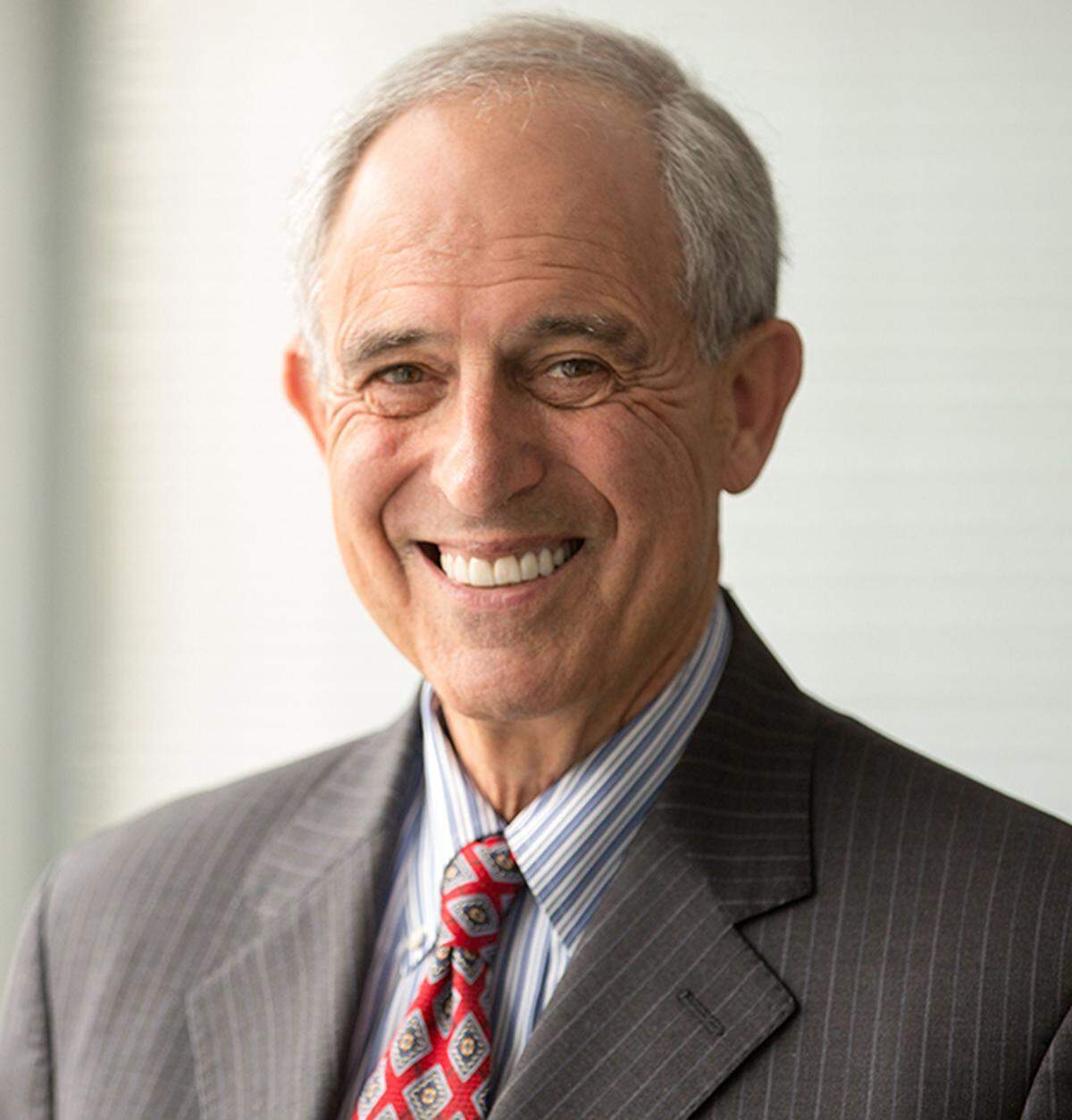
Lanny J. Davis is a co-founder of the law firm Davis Goldberg Galper PLLC, based in Washington, D.C. From 1996-98, he was special counsel to President Clinton; and from 2006-07, served on a privacy and civil liberties panel, appointed by President George W. Bush.