Don’t be indifferent. Breast cancer is a real threat to women under 40, too | Opinion
Two weeks ago I turned 30, with a lot on my mind — excelling at work, furnishing a new apartment, wondering “Why does my lower back suddenly ache?” That kind of stuff. Perhaps the last question on my mind was, “What age should I schedule a mammogram?”
Still 10 years away from 40, I didn’t feel much urgency to even think about mammograms. But, after speaking with a friend who was recently diagnosed with breast cancer — she’s 37 — my feelings have changed. October is National Breast Cancer Awareness Month, and you’ve no doubt already seen the pink campaigns around Miami-Dade — for good reason. Breast cancer is the most common cancer in American women, excluding skin cancers, and the average risk of a woman getting breast cancer sometime in her life is about 13%, according to the American Cancer Society.
Women who are at average-risk for breast cancer (meaning they do not have strong family history or a genetic mutation) are told not to worry about breast-cancer screenings until after they turn 40. The American Cancer Society says women between 40 and 44 have the option to start screening with a mammogram each year, and that women 45-54 should get mammograms every year. The Centers for Disease Control and Prevention has similar guidelines.
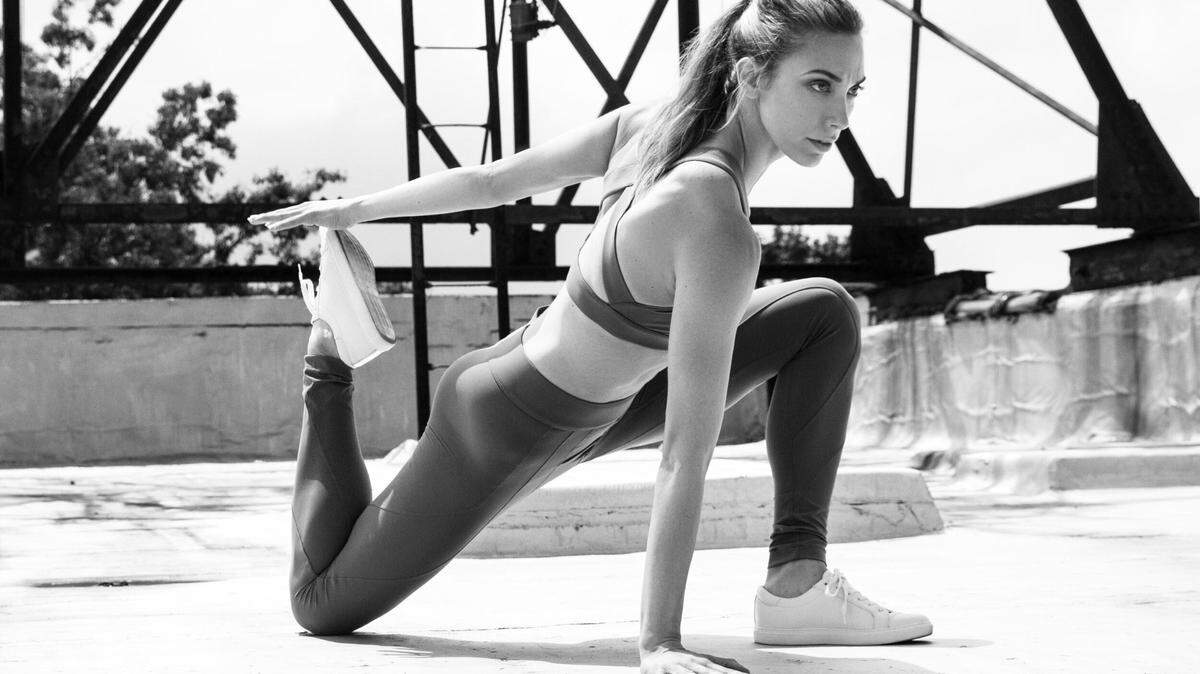
Earlier this year, Erin Monteleone, a professional dancer who lives in New York City, woke up one morning with a painful lump on the left side of her breast. After some light consultation with Dr. Google, she figured the lump was probably not breast cancer (cancerous lumps aren’t usually painful) and went on with her life. Then, Monteleone thought of a friend of a friend who was diagnosed with breast cancer at 38. The nagging feeling just wouldn’t go away, so off to the gynecologist she went. After the exam, her doctor suspected the lump was just a cyst, but told her to get a mammogram and ultrasound just to be sure.
During the ultrasound, Monteleone got a strange feeling as she was watching the background images. The technician took a disproportionate amount of images of the right side even though the lump was on the left. She felt like the technician was avoiding eye contact. Turns out, the lump on the left side was benign, but the right side showed some serious cancer-resembling images. The right side? She hadn’t felt anything there before. Monteleone is a trained ballet dancer who performed with the Radio City Rockettes for seven years. If there’s anyone who knows their body inside and out, it’s her. She was shocked.
“Am I stupid? Like, how did I not feel this? How did I not find this?” she said.
Five days, more imaging and a biopsy confirmed her suspicion that she had breast cancer. The radiologist explained Monteleone probably would have to have been an expert to detect any cancerous tissue.
As she walked me through her journey from diagnosis to treatment, I learned some main takeaways about navigating cancer or any other life-altering health diagnosis.
- Ask a million questions. The whirlwind of a cancer diagnosis comes with a lot of decisions. You have to find a second opinion doctor, an oncologist, breast surgeons, treatment centers — and they all must be within your network. “You’re letting someone cut you open and redo you and it’s like, ‘Wow, I have to make this decision now? I don’t get like months to shop around?’” Monteleone said. Ask your doctors to explain your options to you clearly and ask questions when you don’t understand something. Monteleone found the right doctors through her network of friends and healthcare professionals. She learned to trust herself and knew when she found the right team. Monteleone quickly learned about her blood cells, how breast cancer spreads, how chemotherapy treatment works and so much more. “You know nothing about it, and suddenly you have to become an overnight expert,” Monteleone said. “Because you have to make a decision of who’s handling your life.”
- Advocate for yourself. In the days leading up to her diagnosis, Monteleone was often told to schedule her appointments a week out, but she didn’t want to wait that long. She called her insurance company to get things moving along faster, saving her weeks of not knowing about the cancer. In addition to being the squeaky wheel, Monteleone learned how important it is to understand your options, which sometimes means speaking up and asking the doctors to explain more. “You can let your doctor drive the car, but you best be in the passenger seat next to them, knowing where you’re going.” All young women should ask their gynecologist to teach them how to perform breast self exams. Learning about your body is important and can help you detect changes. Don’t be embarrassed, your life could be on the line.
- Get better insurance, even if you think you won’t need it. “How much does cancer cost?” Monteleone found herself Googling this question often. Like most life-threatening diseases, cancer is expensive. As a healthy fitness instructor under 40, Monteleone didn’t think she needed insurance with a high premium plan. After her diagnosis, she was able to switch from a plan with a very high deductible to a premium plan where she could pay less out of pocket expenses — but this flexibility was granted because of the pandemic, so check your health insurance plan now. Most health insurance plans under the Affordable Care Act cover screening mammograms every 1-2 years — if you’re 40 or older. For the rest of us, we might have to pay out of pocket. In October, many imaging centers offer mammograms at reduced rates. To find a low-cost or free mammogram, you can visit the CDC’s National Breast and Cervical Cancer Early Detection Program website or, if you prefer to speak to someone over the phone, call the Susan G. Komen Breast Care Helpline at 1-877 GO KOMEN (1-877-465-6636) Monday through Friday from 9:00 a.m. to 10:00 p.m. ET.
- You are stronger than you think you are. Right now due to the pandemic, Monteleone and other cancer patients have to navigate doctors appointments, long hours of chemo and surgeries all on their own. I asked Monteleone the most important thing she’s learned about herself during this process: “That I can be strong. I had to do all these things by myself, to know that I can do it alone is pretty cool.” She also learned to value what’s important in life. After recovering from a round of chemo — which can be very rough on the body — Monteleone finds any opportunity to dance, go for walks, be with her dog and boyfriend, simply appreciating everything her beautiful body can do.
Join me in wishing Erin Monteleone luck during her sixth and final round of her chemotherapy and during her surgery next month. And please, heed Erin’s advice: Schedule your screenings and do your breast self-exams. That includes you too, men. (Yes, men can be affected by breast cancer).
This story was originally published October 11, 2021 at 1:49 PM.