
Florida must increase its COVID vaccination rate. Here’s how to make it happen | Opinion
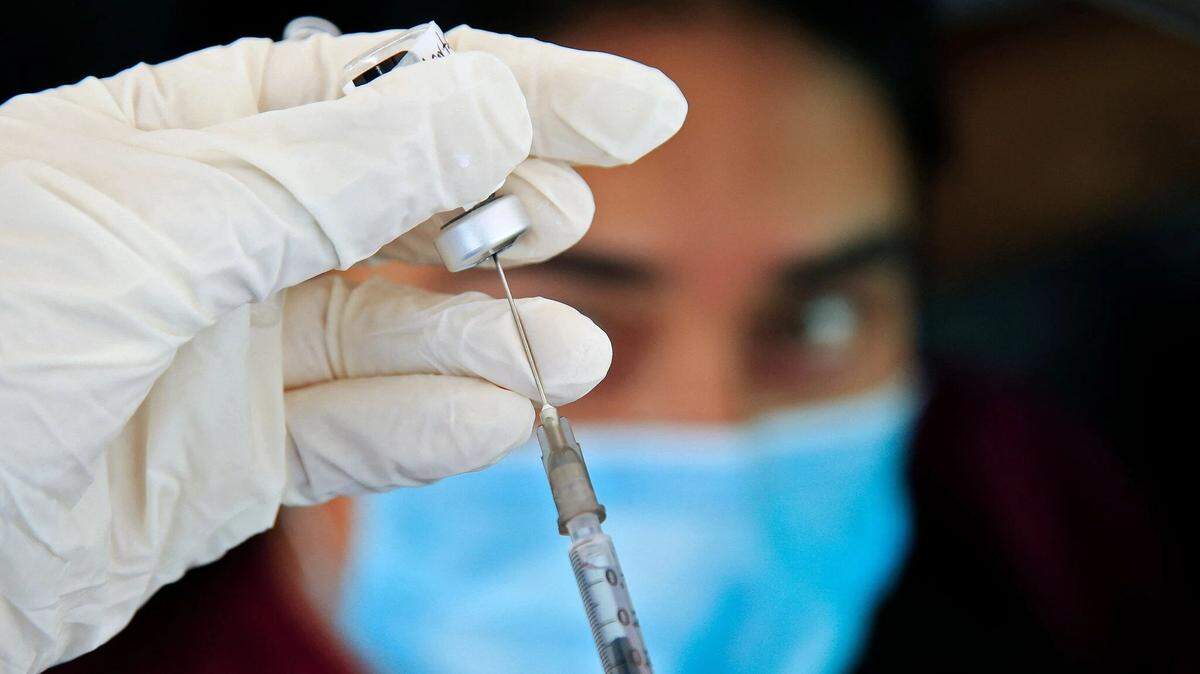
Florida has the second most active caseload of COVID infections in the United States, almost three times more than Texas, and there are few ICU beds left. Sadly, about 46,000 Florida residents have died. If Florida were a country, it would rank as having the seventh most per capita infections on Earth.
Unfortunately, vaccine-reluctant Floridians aggravate this situation. Florida’s fully vaccinated rate is 53%, far beneath the level needed for herd immunity. On top of this, Gov. Ron DeSantis’ policies are making Floridians sicker, as the delta mutation infects even those who are vaccinated. Although we all are fully vaccinated, co-author Kathleen Cairnes, who is pregnant and a Florida healthcare provider, suffered a breakthrough infection. Thankfully, her immunizations were protective.
There is an urgent need to immunize vaccine-reluctant Floridians: First, viruses don’t recognize state lines, and millions of vacationers can bring coronavirus to their states. Second, states have had individual responses to the pandemic, resulting in vastly different infection rates. Third, vaccine-resistant coronaviruses may soon jeopardize everyone, as unvaccinated people breed mutant strains.
And it gets worse. Children under 12 cannot be immunized and remain vulnerable to infection. Despite this, DeSantis prohibits protecting public school children with mask mandates, punishing mask-mandated schools by withholding state funds. Although he says parents should choose, his choice has been to keep his children at home rather than attend preschool with unvaccinated children. DeSantis’ decision has coincided with a 1,000% increase in children hospitalized with COVID-19 since school began.
Rather than mandating masks for prevention, the governor promotes Regeneron, which doesn’t always work. This is like allowing Florida’s nuclear-reactor workers to be exposed to radiation, then recommending chemotherapy after a cancer diagnosis.
What will change vaccine-hesitant Floridians? Information strategies and carrot-and-stick approaches. Although media campaigns can produce healthy habits, their effects are limited. Even a physician’s advice has modest results. Unfortunately, the “carrot” approach using financial lotteries may backfire, reducing vaccine compliance. However, laws with consequences consistently improve public health. For example, states’ car seatbelt regulations and childhood immunization mandates both lower hospitalizations and deaths. Similarly, cigarette taxes result in less smoking.
We suggest Florida restrict those unvaccinated from disease-spreading activities. Therefore, bars and restaurants where masks must be removed to eat or drink should require immunization proof. This restriction increased vaccinations in France and Italy. Also, Florida and the federal government can use their power to spend and tax to raise COVID inoculations.
Vaccination incentives also could include: All state workers, including school employees and Florida’s federal workers; businesses, education, research institutions, and individuals receiving state or federal grants; industries and companies obtaining state or federal subsidies, tax concessions or deferrals; employees of religious institutions, charities, and non-profits receiving tax exemptions; and families receiving state or federal child tax credits, state or federal health insurance, and those obtaining housing subsidies or eviction moratoriums.
When living in society, there are benefits and responsibilities. Those who remaini unvaccinated shift medical, economic and social burdens onto others. Because taxpayers finance grants, subsidies, and tax exemptions, those refusing vaccinations should lose or have reduced benefits, with exceptions made for medical reasons.
These recommendations don’t impact individual liberties. There are no criminal or civil punishments. Vaccine mandates are directly tied only to those who receive state and federal funding and tax benefits. These actions should significantly improve vaccination rates. Although anyone can refuse, taxpayers should not have to underwrite their disease- and death-promoting choice.
Kathleen Cairnes, MSN,, is a nurse practitioner in South Florida. Linn Goldberg, M.D. is professor emeritus at the Oregon Health and Science University. Louis Speizer, Ph.D..,is a physiologist who has worked in the pharmaceutical and biotech industry for 30 years.

This story was originally published September 3, 2021 at 4:47 PM.