
After this latest earthquake, international assistance to Haiti must look different this time | Opinion
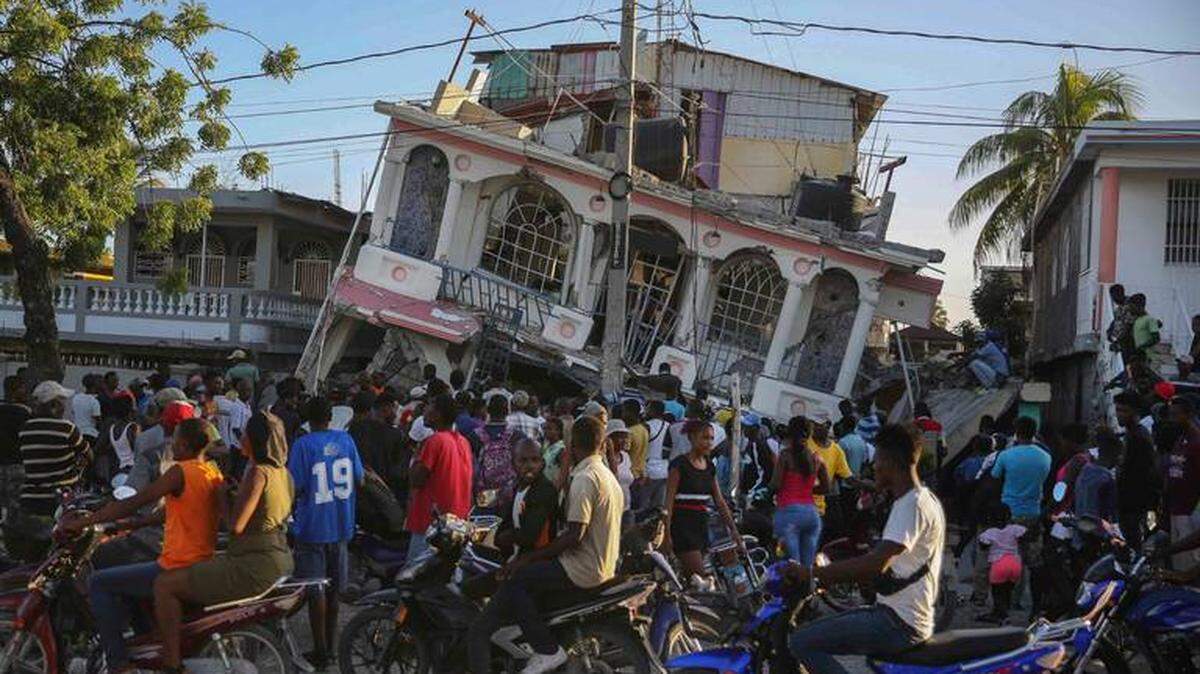
When Saturday morning’s 7.2-magnitude earthquake rocked Haiti, memories and worries of the past came rushing back. The damage, relative to the 2010 earthquake, appears to be less severe. But that does not matter to the Haitians who suffered a loss. And although less destructive, this latest calamity comes as Haiti is reeling from gang violence, heightened political volatility after the assassination of President Jovenel Moïse, the fact that six in 10 Haitians live in poverty; and a COVID-19 response where the first vaccines only arrived last month.
And now hurricane season is upon us.
The world’s response this time around must be different. Haiti needs a coordinated, human-centered approach with immediate goals but with long-term planning.
First, of course, lives must be saved and basic services restored. The most recent death toll stands at more than 1,400 lives lost and 6,000 injured. There’s a significant shortage of doctors and medical supplies in communities most affected by the earthquake. Clinics and hospitals are overrun. Water and transport infrastructure is compromised. Blocked roads and broken water pipes have cut off access to communities needing aid and limiting the availability of clean water. Gang activity has ebbed for the moment, but the risk remains of a return to levels prior to this past weekend.
Thus far, U.S. and international support has been swift. President Biden quickly appointed USAID Administrator Samantha Power to coordinate this country’s initiatives, including the deployment of a disaster-assistance response team to help search-and-rescue efforts. U.S. Southern Command is working to provide imaging to hard-to-reach areas, while the U.S. Navy and Coast Guard have sent vessels and helicopters for more support. Several regional partners — including Mexico, Colombia, Chile, Panama, Argentina and other Caribbean partners — have either sent or will send aid and personnel to Haiti, with more expected from others, as well.
Much like how Haitian Prime Minister Ariel Henry is centralizing incoming aid, the United States can help coordinate what is going into the country at the international level. This will require coordination and communication with the Haitian government, on-the-ground non-governmental organizations and regional partners. And listening to the Haitian people. In the end, this could help better serve Haitians’ immediate needs.
Coordination of aid and personnel in advance of its arrival makes it easier for the Haitian government to distribute it faster and equitably. Logistics should not hold up resources that can save lives. At the same time, this will eliminate sending supplies and deploying personnel that may not be needed, which could lead to further confusion and wasted resources.
Looking beyond the next few weeks and months, international assistance should also have longer-term goals in mind. Once the earthquake recedes from U.S. and international headlines — as has occurred almost immediately following the Taliban takeover in Afghanistan — assistance to help Haiti must continue. However, it must proceed based on what was learned from the mistakes of the response to the 2010 earthquake.
Poor coordination and limited involvement from Haitian authorities at the time led to a decentralized, mismanaged and uneven effort. The government has learned from this by centralizing aid, but its capacity is limited. Long-term, recovery will also need to look different. Resilient building codes, aid directed to local businesses and sustained traction on the global stage were missing.
Continued dialogue with both Haitian authorities and Haitian civil society is critical to consistently reassess priorities and needs. Long-term assistance must empower Haitian civil society to be self-reliant. And rebuilding in Haiti requires doing so with an eye toward preparation for the next natural disaster that will inevitably come.
This past weekend’s earthquake again drew international attention to the many challenges that persist in Haiti. It is hoped that U.S. partnership with Haiti and the larger Caribbean community — CARICOM, of which Haiti is a member — at this time of great need can open a new chapter in how we work with our neighbors; and how the Caribbean — and the region overall — sees that the goodwill and friendship of the United States are both in words and action. This began early this summer with large-scale vaccine donations to Latin America and the Caribbean. It must be continued as we help Haiti recover at this pivotal moment.
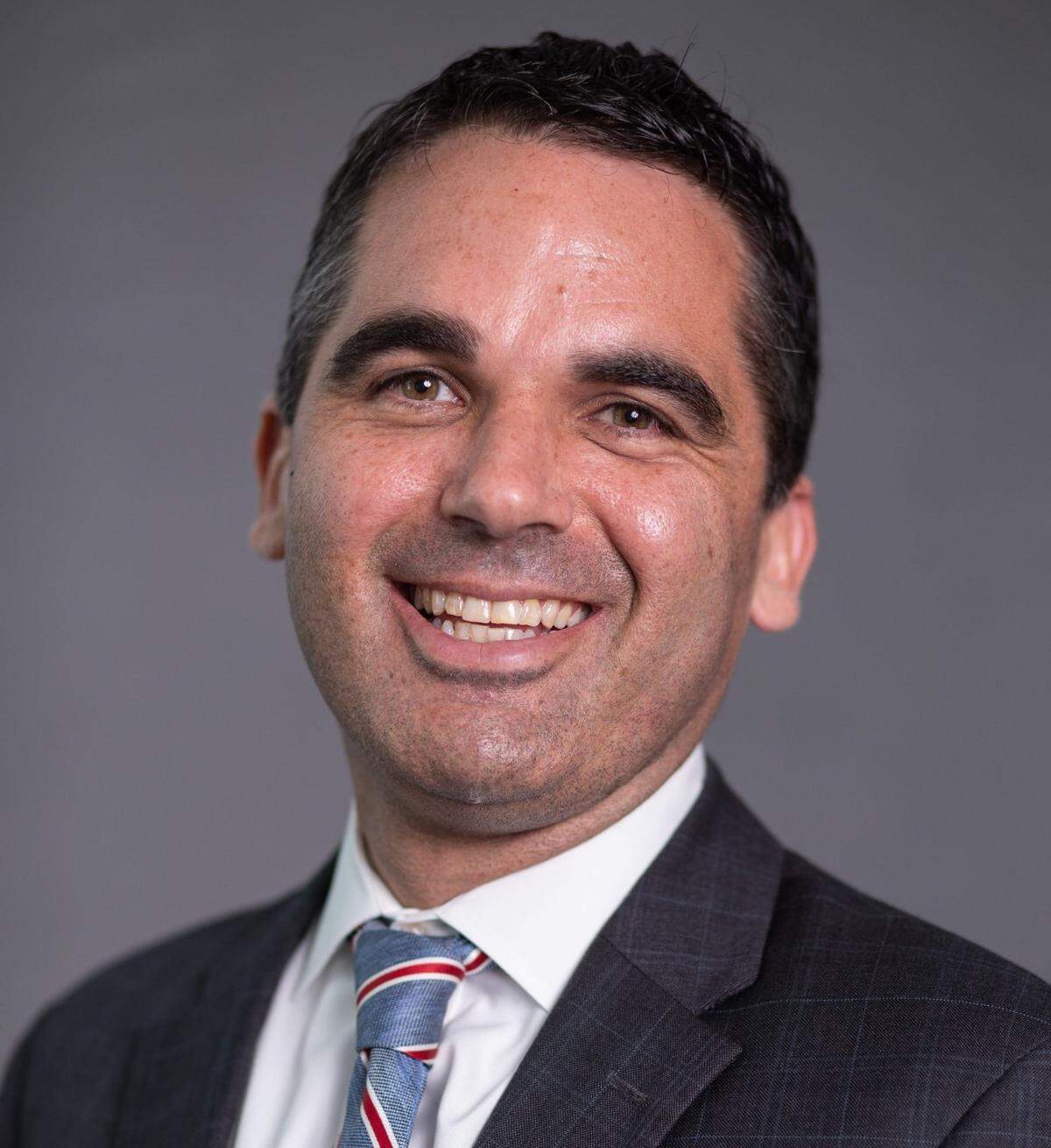
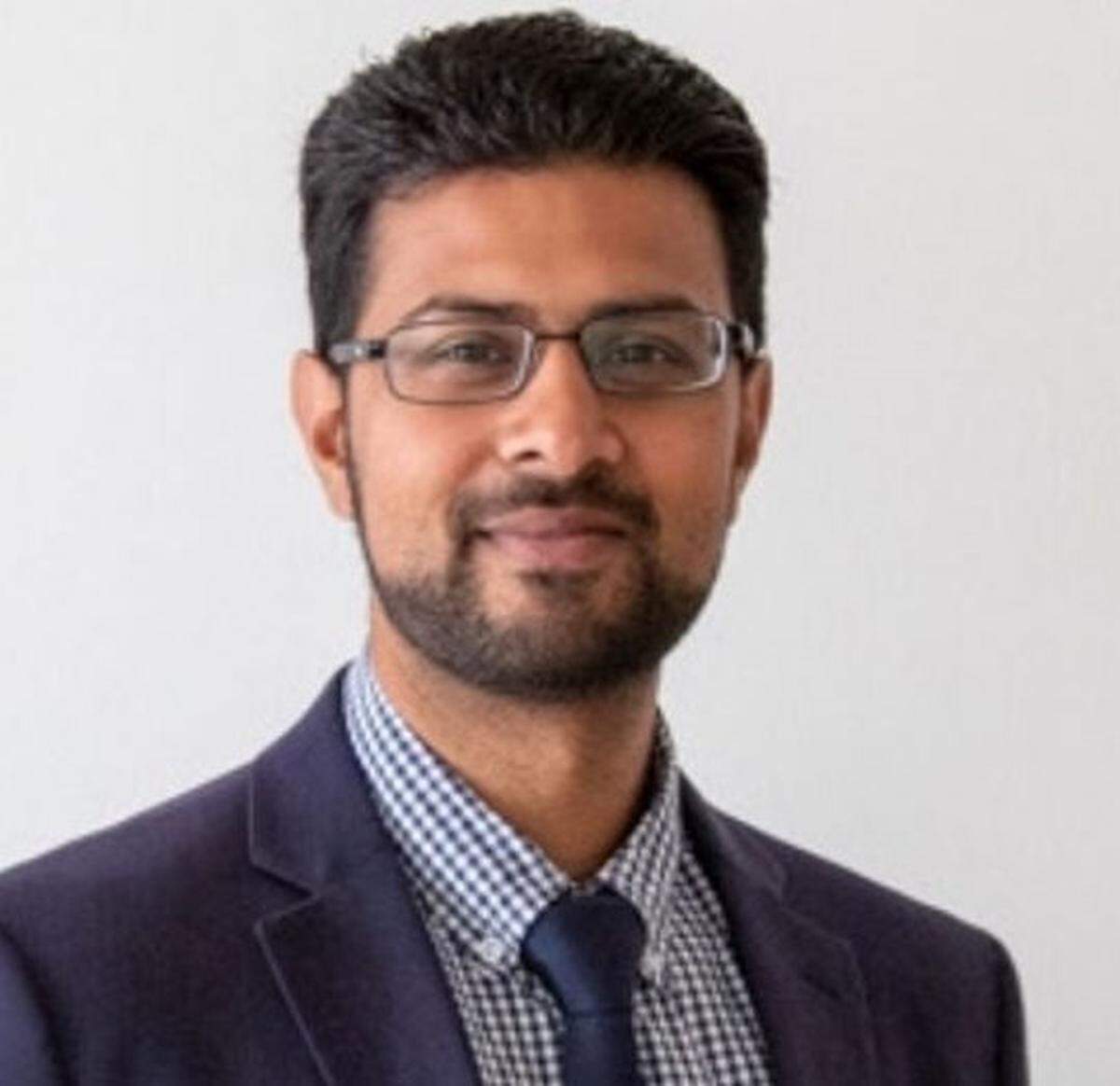
Jason Marczak is director of the Atlantic Council’s Adrienne Arsht Latin America Center. Wazim Mowla is assistant director for the Caribbean Initiative at the Adrienne Arsht Latin America Center.
This story was originally published August 17, 2021 at 3:35 PM.