
Come to the defense of journalists in Nicaragua. Ortega continues to silence them | Opinion
On Aug. 13, police in Nicaragua raided the offices of La Prensa newspaper and, a day later, arrested and detained La Prensa general manager Juan Lorenzo Holmann for the alleged crimes of “customs fraud and money laundering.”
The Inter American Press Association immediately condemned these actions stating, “We have fallen short in words to denounce the Ortega dictatorship.” While the statement seems remarkable for an organization whose very business are words, the Nicaraguan government’s attempts to silence the press and critics continue to reach alarming levels of shamelessness.
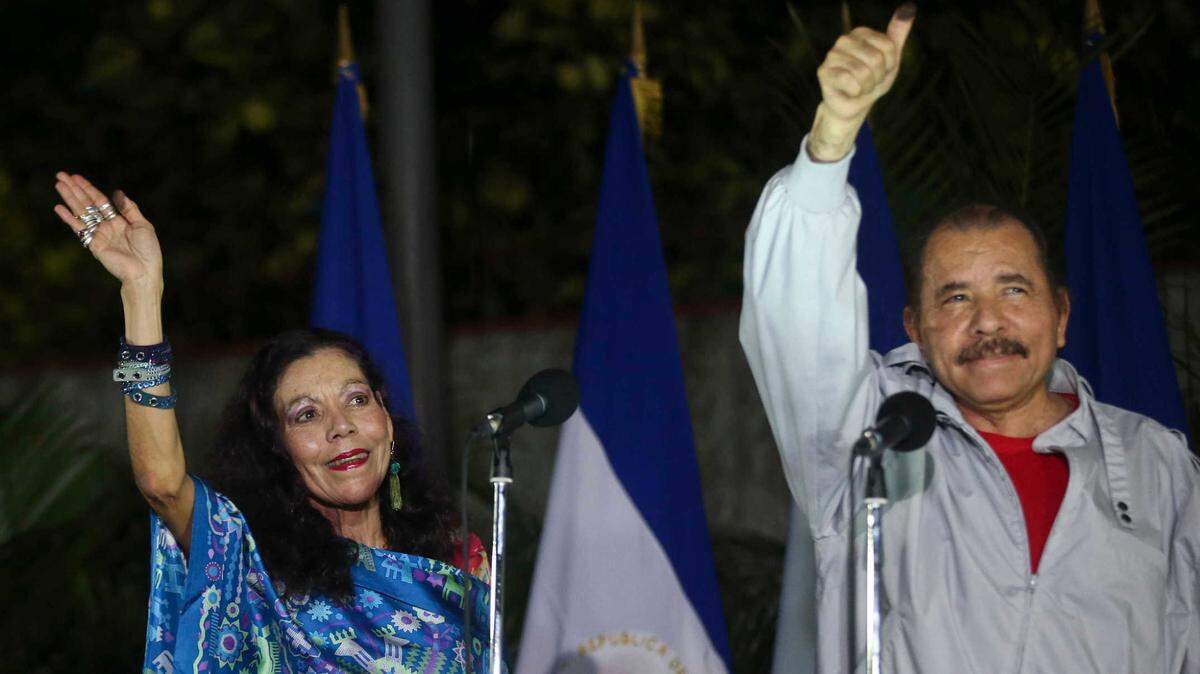
The incident comes just two months after President Daniel Ortega, along with Vice President Rosario Murillo — Ortega’s wife — had several key political opponents arrested as he was launching his own campaign for a fourth consecutive presidential term. Miami Herald columnist Andres Oppenheimer warned that the wave of arrests (or “Murillo purge”) is intended to create a long-term, family-ruled dictatorship much like Cuba’s.
Ortega has a history of using attacks on the press as a key tactic during elections. The U.S. State Department reported several threats against the press by Ortega and his Sandinista National Liberation Front (FSLN) party members during the 2006 campaign year as he was vying to win back the presidency after losing several times since his first 1985-1990 term. During that 2006 campaign, the Inter American Press Association condemned the harassment of La Prensa Journalists by an FSLN mayor and other Ortega loyalists.
The more recent media purge began in April 2018, when anti-government demonstrators held rallies all over the country. Nicaraguan police and paramilitary reacted with excessive force against protesters and journalists. On April 21, 2018, Ángel Gahona was shot while livestreaming on Facebook as he covered the protests for a local news program near Nicaragua’s Caribbean coast. Another nine journalists were wounded on the same date.
Most all independent news sources have been raided and harassed, and no longer are in operation. Journalists such as Lucía Pineda and Miguel Mora of 100% Noticias were given the bogus charge of “promoting terrorism” after covering the protests and were detained for six months. More than 70 journalists and media staff were forced into exile the first year after the protests. They are among the more than 100,000 Nicaraguan citizens who have fled the country since April 2018 fearing for their lives.
As a country specialist for Amnesty International, USA, I am forwarded statements, photos and video depicting the graphic violence in Nicaragua. These documents are sent by brave people who put their lives at risk by sharing them. Exiled Nicaraguans in Miami have organized “Blue and White” rallies, where they are free to expose Ortega’s abuses without threats to their lives.
Some still are afraid. Shortly after the April 2018 protests, three exiled college students in Miami told me about their persecution while keeping their faces hidden behind (pre-COVID) masks to protect their identity. In U.S. immigration courts, numerous asylum seekers from Nicaragua plead with judges to halt their deportations based on credible fear that can only be justified via free reporting that sheds light on the source of that fear. As a country expert in these courts, I rely on independent media sources to assess the ongoing situation in Nicaragua for immigration judges.
While every major organization consistently has the grave violations of human rights committed by the Ortego-Murillo government, the purging of the press has enabled them to act with impunity as they unlawfully block opposition and clear a path toward potentially unlimited power.
The international community must defend the rights of journalists in Nicaragua. The South Florida community, with the largest demographic of people either from, or who trace their roots to Nicaragua, is in a unique position to amplify the voices the Ortega-Murillo’s victims.
We can, and should, exercise our own freedom of expression through our free press, social media and calls to our representatives and the U.S. State Department to demand an end to human-rights abuses in Nicaragua.
Lisa Konczal, Ph.D. is Nicaragua country specialist for Amnesty International, USA. She is professor of sociology and criminology at Barry University in Miami Shores.