
We got rid of smallpox and polio. We can do the same with COVID-19 — by getting vaccinated | Opinion
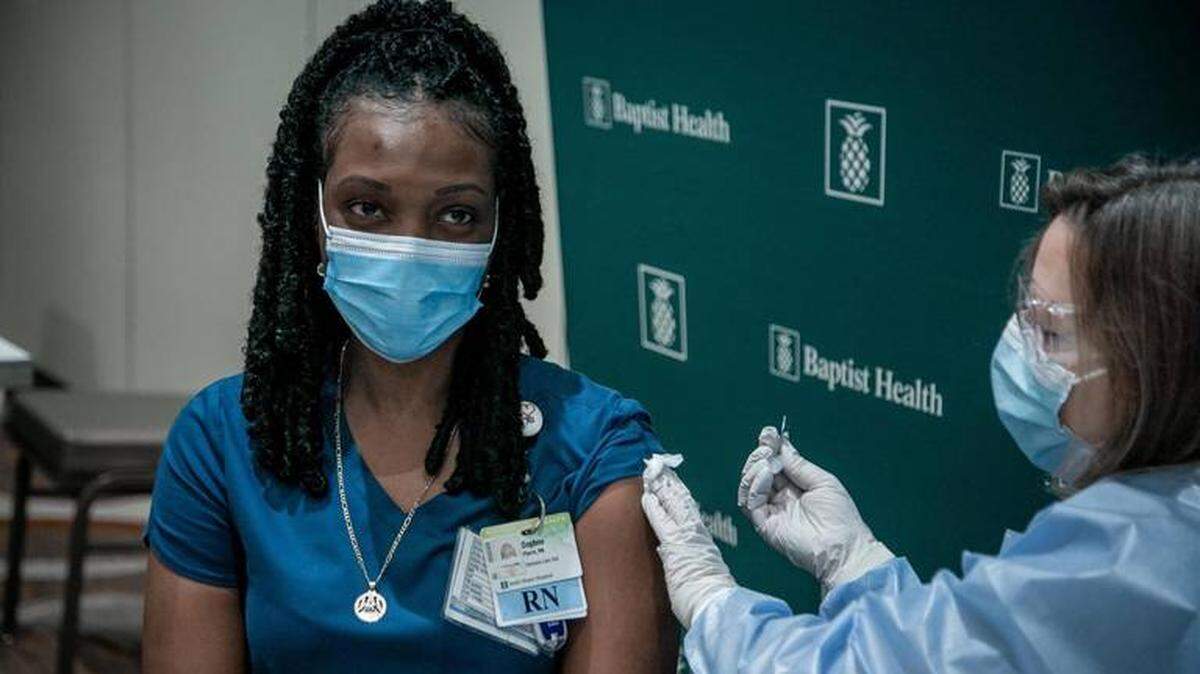
If you are over 40, we likely have something in common, namely a small, faded scar on our upper arm, a relic of the war on smallpox. Our children haven’t had to face this menace because we grew up in a society that trusted science and our leaders to guide us toward the elimination of crippling diseases. Yes, there were lamentable exceptions such as the Tuskegee Experiment. And yet, many other childhood diseases including measles, diphtheria and rubella have been eradicated. Once common, polio’s twisted limbs are part of the past, not our future.
Today, we relive tragic scenes with the latest COVID surge — the delta variant — and the anguish and the exhaustion of healthcare workers. We been bombarded with health misinformation on the internet and, unfortunately, there are still some who do not take this pandemic seriously. In fact, U.S. Surgeon General Vivek Murthy, M.D., had to issue a report, “Confronting Health Misinformation.”
Given this reality, we find that a core of people in every organization are in decision paralysis about the COVID-19 vaccine. Among the oft-repeated comments: “If the vaccine was safe, then my employer would require it, and since they don’t, they must know something.” Or “If my job requires it, like they do with the annual flu shot, then I’ll do it.”
In healthcare, we like rules and procedures. They keep patients — and the rest of us — safe. Any wishy-washy language is a red flag. Unfortunately, market interests have an impact here, too. What healthcare executives and lay leaders are most worried about is losing employees during a time of staffing shortages and burn-out brought on by COVID-related exhaustion. That could compromise the fundamental mission of care.
Furthermore, in South Florida, hospitals and medical practices compete for people with in-demand skills, including nurses, doctors, technologists and social workers. The pandemic’s disruption has created demand in new areas; medical assistants, environmental service techs and patient transporters are opting for jobs in the hospitality and food service industries, which have been compelled to escalate starting salaries and now attract lower-paid healthcare workers.
We also are responsible for the safety of vulnerable patients in our offices because we cannot afford outbreaks that leave staff and doctors even more strained professionally and personally.
As the Herald’s reporter Daniel Chang reported, there is a pervasive fear that mandating vaccines will cause an exodus of staff to healthcare organizations that don’t require them. Yet there is a huge corollary risk of unvaccinated healthcare staff falling acutely ill, becoming patients themselves and exacerbating both staffing and capacity problems.This already is happening in Louisiana and other states. In addition, in many places, hospital care and elective procedures are being limited because of bed and staff shortages.
Currently, more than 750 hospitals and a multitude of physician practices in the United States, including ours, have adopted a mandatory COVID-19 vaccination policy, including all of the Veterans Administration hospitals, Yale-New Haven, Mayo Clinic, Children’s Hospital of Philadelphia, Brigham and Women’s, Dana Farber Cancer Institute, and St. Jude. They are in red states, blue states and purple states, and include public hospitals, faith-based, and private institutions.
There is a saying, often attributed to Winston Churchill, that describes how we, as a culture, behave: “Americans can always be counted on to do the right thing — after they have exhausted all other possibilities.”
After lives filled with antibacterial wipes, extended social isolation and masks, we breathed a collective sigh of relief when COVID-19 vaccines were created and proven effective without compromising safety. But now, pediatric cases are at an alarmingly high volume, and young children with COVID-19 are filling our NICUs.
We had — and have — a pathway to take the power away from this virus. As with most types of combat, allies win together. If we do not lead, the community will not have an example to follow. We need the whole healthcare village engaged to win the war against COVID-19.
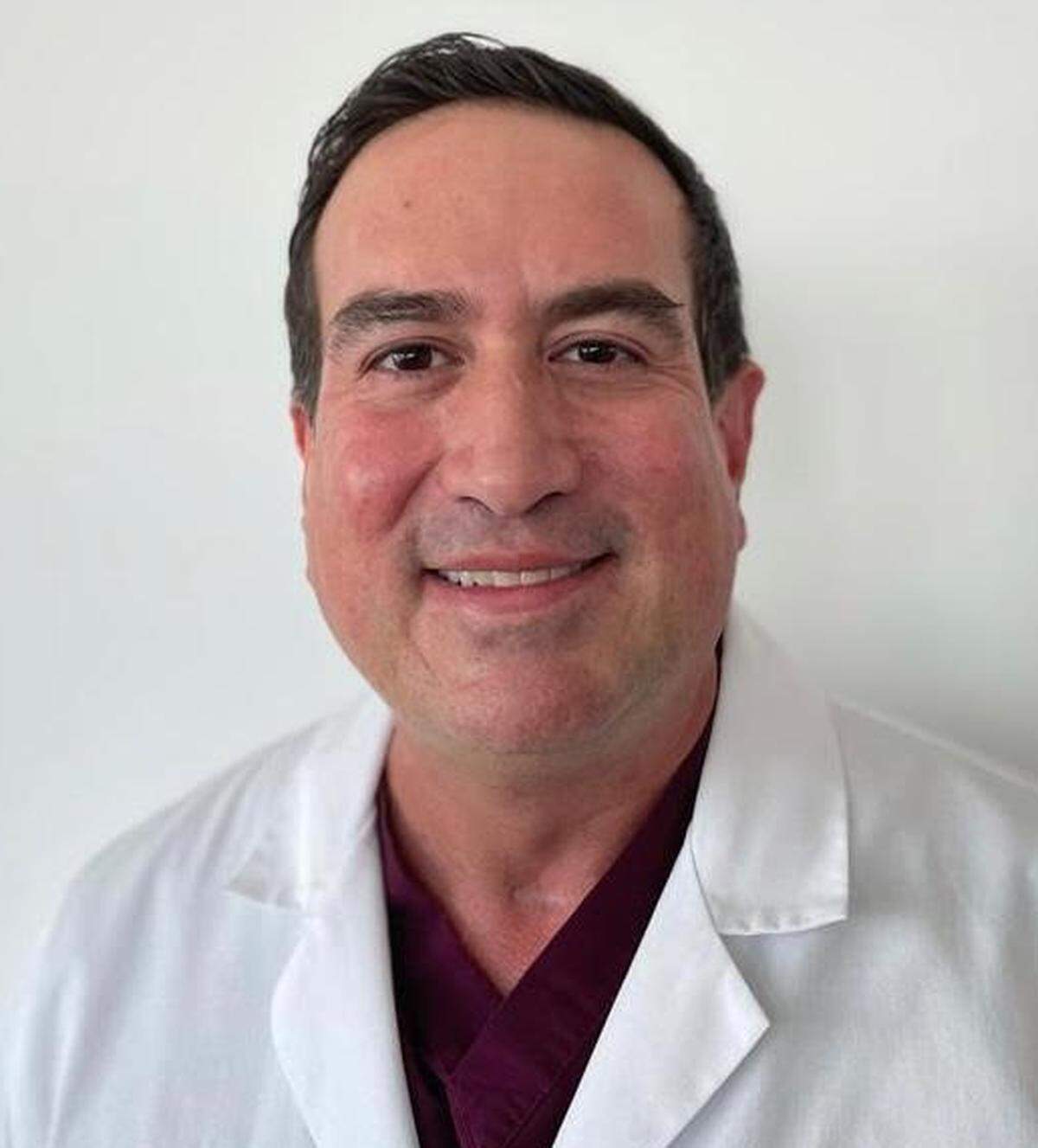
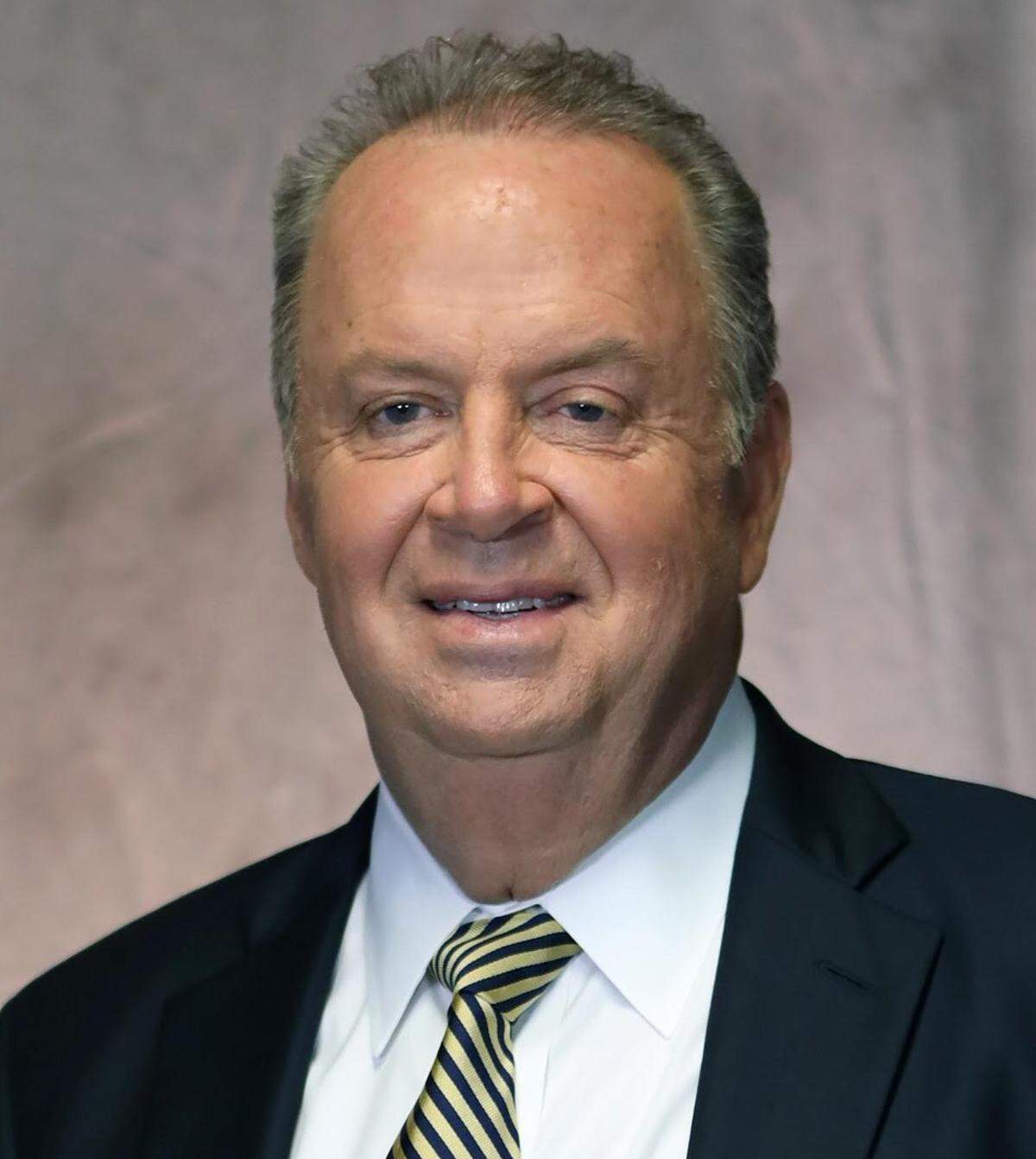
Romeo A. Majano, M.D., is medical director for Interventional Cardiology at South Miami Hospital, Miami Cardiac and Vascular Institute, Baptist Health, South Florida. Wayne Brackin is president and CEO of KIDZ Medical.
This story was originally published August 16, 2021 at 2:30 PM.