
Infrastructure bill a once-in-a-lifetime chance to make Miami more climate resilient | Opinion
South Florida is on the frontlines of climate change. The impacts of more frequent and more severe weather events are part of daily life here. The threat of climate change is only growing and will further disrupt life and our communities as we know them.
Experts predict that sea levels will rise by at least two feet in Miami-Dade County by 2060. The consequences of that alone would be devastating. Entire neighborhoods could be uninhabitable. More frequent tidal floods and increased sea-level rise will damage coastal property and stifle maritime commerce through PortMiami. Further erosion of world-class beaches will hammer the state’s tourism industry that generates nearly $100 billion annually.
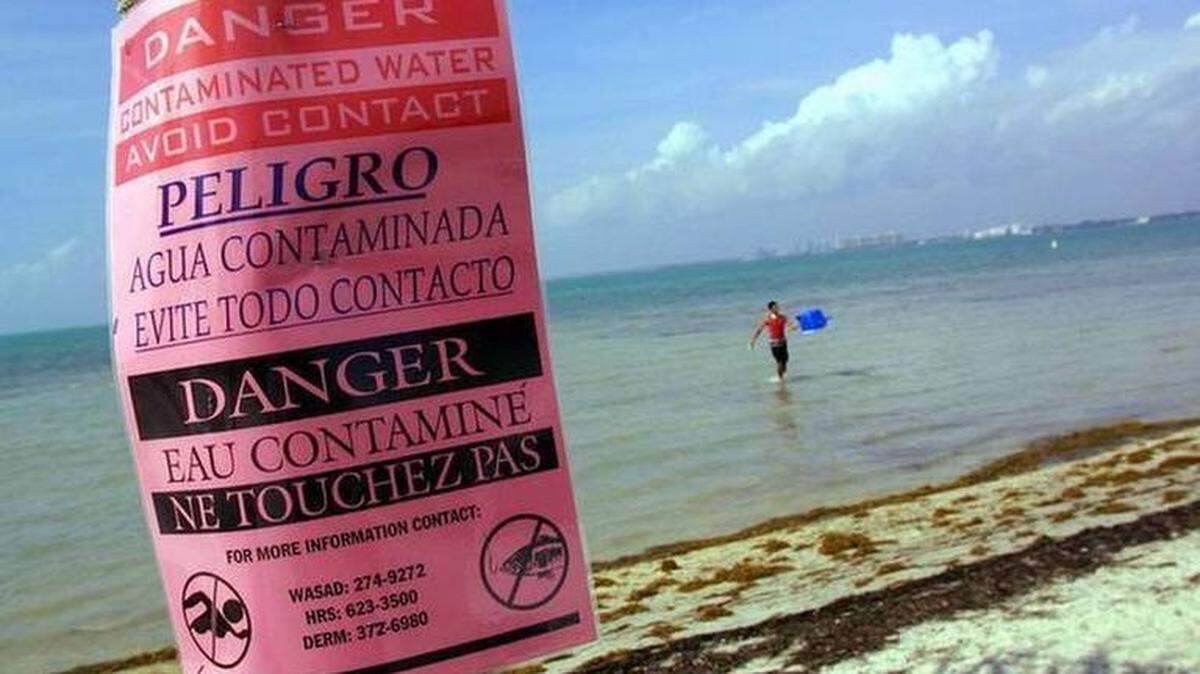
Unfortunately, Florida’s aging water infrastructure will only exacerbate the effects of climate change. In 2021, the American Society of Civil Engineers gave the state’s coastal infrastructure, which is supposed to protect beach communities from storm damage, a failing grade. After Hurricane Michael in 2018, basic utilities, such as plumbing, didn’t return to some areas for 10 months. As many in Miami have experienced, shallow water supplies get overrun with floodwaters after heavy rains, leading to boil-water notices and concerns about contaminated drinking water.
As more frequent and more intense storms bring destruction, they also present us with a chance to modernize. We can use this moment to move beyond 20th century infrastructure that lags behind other advanced nations. This is our opportunity to reimagine what the future of water in this country looks like and to make smart investments now that can help us avoid crises in the future. By modernizing the water infrastructure that every American household uses – from ports and wastewater-treatment plants to drinking water and stormwater systems – we can lower costs for communities and families, better protect public health and make neighborhoods, towns and cities more resilient in the face of climate change.
These long-overdue upgrades make economic sense, too. According to a report by the National Institute of Building Sciences, for every $1 investment in disaster resilience, $6 are saved in disaster costs. What’s more, we know that investing in this infrastructure also has the potential to create jobs and boost our economy. In fact, every additional $1 invested in our infrastructure creates $3.82 in economic growth over 20 years. In Florida, infrastructure investment can increase real disposable income for households by $1,600 per year over 20 years.
At Xylem, we know that the solutions are out there, and we have seen the economic, environmental and public-health benefits of implementing these solutions. Last year alone, our efforts enabled water operators to reduce their carbon footprint by 0.7 million metric tons of carbon dioxide, prevented 1.4 billion cubic meters of polluted water from flooding communities or entering local waterways and enabled the reuse of more than 1 trillion gallons of water.
Biscayne Bay is an essential part of South Florida and the state’s economy, drawing millions of tourists for boating, fishing and snorkeling. Yet, the bay is ailing from nutrient pollution and the over-reliance on aging infrastructure. For example, a 2019 report identified approximately 9,000 septic tanks vulnerable to failure in 2020, and 13,500 more that could fail by 2040. The cost of conversion to from septic to sewer is estimated to be as high as $40,000 per household. In response, Miami-Dade County and Gov. Ron DeSantis announced in December 2020 a $20 million investment to protect and preserve Biscayne Bay.
Imagine how much progress we could make together as a country if leaders in Washington also made solving our water challenges a priority. The good news is that Congress is currently considering an infrastructure proposal that is desperately needed in Miami and across the country. The Senate just passed this bill with overwhelming bipartisan support. Now it is critical that we get this proposal passed in the House and signed into law so that Floridians can start seeing the benefits. The next record-breaking storm or flood is just around the corner — we don’t have time to waste.
In Miami, life is lived on the water, in the water and by the water. We need to seize this moment and finally bring our water infrastructure into the 21st century.
I urge Florida lawmakers in Congress — on both sides of the aisle — to keep working to get this infrastructure proposal over the finish line. Seize this once-in-a-lifetime opportunity and make smart investments now that will protect our communities and benefit future generations.
Patrick Decker is president & CEO of Xylem, Inc., a water-technology firm. He is a member of the Business Roundtable in Florida.
This story was originally published August 12, 2021 at 7:34 PM.