
Even before COVID-19, girls’ education was at risk. Now more than ever, they need support | Opinion
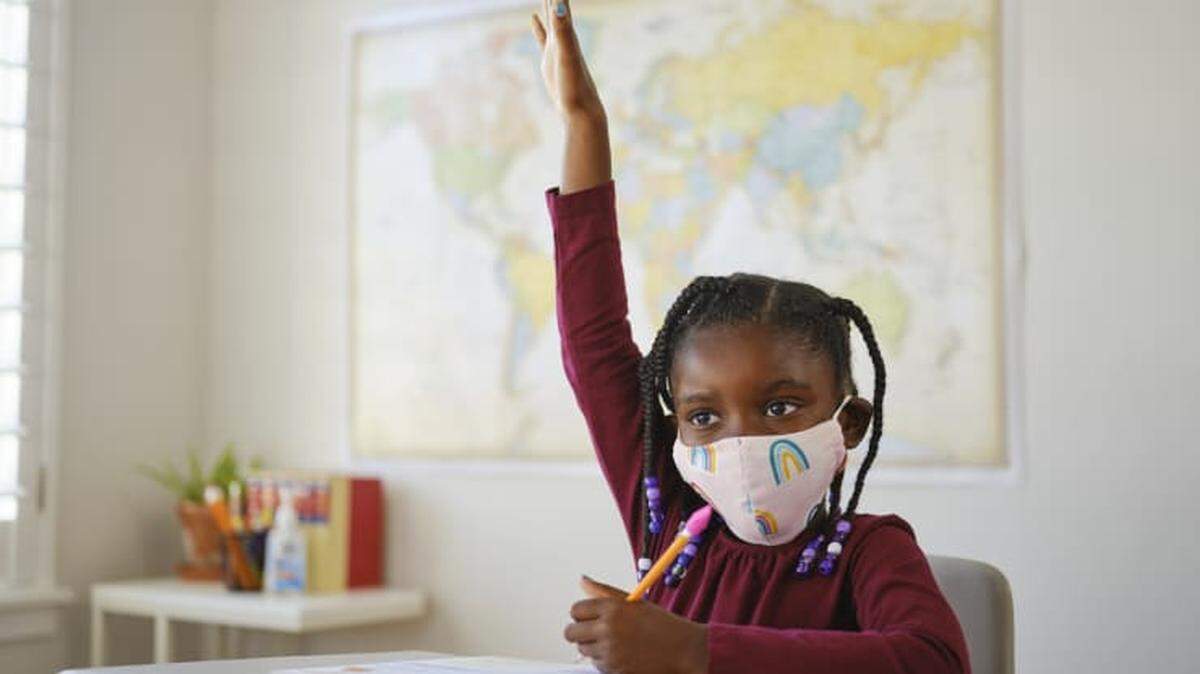
On July 16, 1840, Catherine Brewer became the first woman ever to be awarded a bachelor’s degree in the United States and as of today, more than 56 percent of U.S college students are women. I am the first woman in my entire family to get a bachelor’s degree, let alone a master’s degree, and have paved a way for my family to a better tomorrow.
All of this was possible by having access to education. We have come a long way since 1840. Yet, in 2020, 130 million girls worldwide remained out of school, even before the start of the pandemic.
This has been made worse during the pandemic. The COVID-19 crisis has had many devastating consequences, but among the primary concerns is its impact on education. In the U.S. alone, at least 55.1 million students were affected by school closures at the height of the pandemic.
Despite the unprecedented challenges, schools are finding ways to ensure continuous education. In some places, students have been able to return to classrooms for in-person learning; in others, school systems are doing their best to provide virtual learning.
But millions of children worldwide are still out of school, and among the most at-risk are girls and young women.
Schools are lifelines
Schools have proven to be more than just places of learning. In many cases they are lifelines that connect girls with critical health and child protection services. Schools are often one of the strongest social networks for adolescent girls, providing peers and mentorships. When girls are cut off from these networks, their risk of violence increases, they are more likely to be forced into child marriage or early pregnancy, and girls that drop out of school are less likely to return.
UNESCO predicts some 11.2 million girls and young women are expected to be at risk of not returning to care centers, schools or universities. To put this number in perspective, that’s more than 23 times the entire population of Miami, and this doesn’t include the 130 million girls that were already out of school before the start of the pandemic.
Now more than ever, we need renewed attention to helping ensure that the world’s most vulnerable girls are able to access education and protection, especially as COVID-19 threatens to undo decades of global progress in girls’ education. As former United Nations Secretary General Kofi Annan said, “To educate girls is to reduce poverty.”
An educated woman can not only provide better living conditions for her family but can also get a chance to explore her full potential, leading to some amazing inventions and creations. One of the many examples of the importance of education is Malala Yousafzai, a girl who changed the world by having access to education.
Just as the COVID-19 pandemic is a public health issue of global importance, so is girls’ education, and the support for the most vulnerable needed to maintain decades of global progress achieved for girls. Legislation like the Keeping Girls in School Act is a tangible example of how the U.S. government can make smart investments and push for global progress. By unleashing investment in holistic girls’ education programs, U.S. officials can help address the existing social and educational barriers facing girls around the world.
Keeping Girls in School Act
In past sessions of Congress, representatives and senators from both sides of the aisle have recognized the importance that the Keeping Girls in School Act plays around the world, especially in in low- and middle-income countries.
Introduced by Florida lawmakers, Democratic Rep. Lois Frankel and Republican Rep. Michael Waltz, and cosponsored by Republican Rep. John Rutherford and Democratic Rep. Ted Deutch, the proposal also needs Floridians to play a role in advancing it. They can join me and UNICEF USA in urging Congress to support the bill and help keep girls worldwide in school, especially in the wake of COVID-19.
Now more than ever, the world’s most vulnerable girls need support to ensure that their rights to education and safety are protected so that girls like me can help create a better future for their families.
Anjali Tripathi is the Miami Advocate for UNICEF UNITE.
This story was originally published July 9, 2021 at 3:57 PM.