Nature is the environment’s original infrastructure plan. Use it to make us more resilient | Opinion
The start of the 2021 hurricane season and the early appearance of our first named storm, Hurricane Ana, is a strong reminder that, while Congress may be deep in negotiations over infrastructure, our country’s vulnerable coastlines have no time to waste.
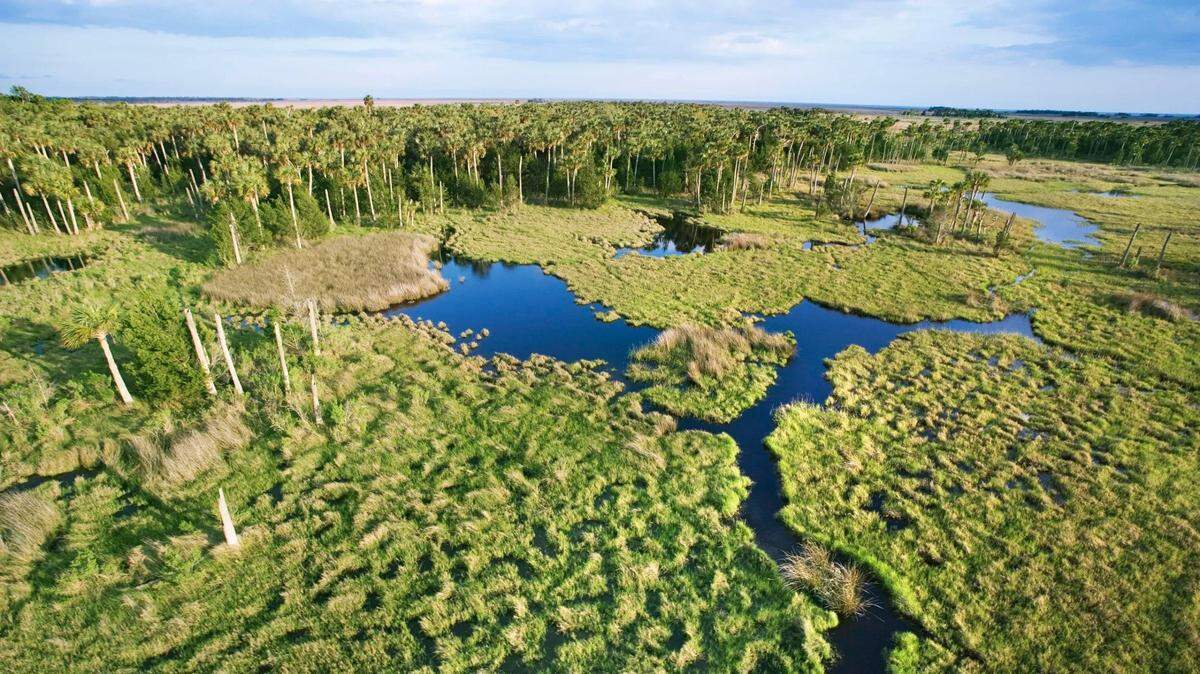
Much of the current debate is around updating and building roads, bridges and drinking and wastewater facilities — all critical to our nation’s prosperity. But here is a climate and infrastructure solution that is cheaper, more resilient and far more beautiful than what Washington traditionally thinks of as infrastructure: putting nature to work to protect people and property from the impacts of climate change. Natural features such as wetlands, restored beaches and oyster beds are naturally built to mitigate and withstand crises like flood and hurricane events, and it’s time to start thinking of them as “infrastructure.”
For too long, our infrastructure investments have been reactionary to crises and have tended to rely on concrete — fixing roads and bridges only after they crumble, raising levees after the devastation of a flood and hardening shorelines after a hurricane sweeps through a landscape. Using nature-based infrastructure techniques proactively would make us more resilient to future crises, with long-term solutions that keep the environment and wildlife healthier.
This is particularly critical as once-in-a-generation floods are becoming increasingly frequent. Floods are one of the most frequent and most costly disasters Americans face with communities facing widespread destruction, loss of life and billions of dollars in damages each year. A NOAA study found that since the 1980s, flooding disasters have led to almost $2 trillion in damages across the country, more than any other disaster. And the risks from flooding are only slated to increase. As water levels rise globally, development, erosion and deforestation increase risks to communities across the country, not only those in the paths of hurricanes.
Here, nature-based infrastructure can provide a solution that is not only more cost-effective than traditional infrastructure, but often more effective. Nature-based infrastructure mimics natural systems that, in many cases, are already intrinsically able to adapt to both gradual and sudden environmental changes. For example, tidal marsh and oyster reefs have helped protect against erosion and dampen wave energy since before the existence of seawalls and levees. Forests and wetlands absorb and hold water, naturally helping to stem flooding impacts and combat heat waves and droughts. In fact, research our organizations compiled has found that these solutions provide meaningful and measurable risk-reduction benefits to surrounding communities and infrastructure.
During Hurricane Sandy, for instance, natural features like salt grass marshes, seagrass and oyster beds, and sand dunes in Jacques Cousteau National Estuarine Research Reserve, in southeastern New Jersey, prevented tens of millions of dollars in damages to coastal towns protected by these natural features. A recent analysis of damages caused by all 88 tropical storms and hurricanes that impacted the United States between 1996 and 2016 found that affected counties with greater areas of wetland coverage experienced significantly less property damages than those with little or no wetlands. Multiplied over dozens of storms and hundreds of communities, nature-based infrastructure investments can produce significant savings for communities and the American taxpayer.
Infrastructure spending, even as it supports important investments in roads, water systems, and clean energy, can simultaneously recover and protect the natural systems that provide these essential services to our society — from provisioning of clean water and food, to opportunities for recreation, to nature’s ability to sequester carbon and help to mitigate the broader climate crisis. This is not a stretch — at the most fundamental level, nature is the original infrastructure upon which our society depends. And, like much of our human-engineered infrastructure, these systems are in a state of disrepair. Additional funding to restore and build wetlands, forests, beaches, and other natural features is an infrastructure investment that pays off, and — critically — will create jobs and stimulate the economy.
As Washington continues to debate what falls under the umbrella of infrastructure, one thing is clear. These investments are long overdue and desperately needed, but we can and must reimagine what they look like. Infrastructure is not only new concrete structures and roads — it can be beautiful new beaches that protect coastlines, wetlands brimming with fish and wildlife that absorb flooding, and forests that protect against wildfire while providing hiking and climbing.
We don’t have to choose.
Collin O’Mara is president and CEO of the National Wildlife Federation, America’s largest conservation organization. Lou Iglesias is president and CEO of Allied World, a global provider of insurance and reinsurance solutions.