
Some war veterans are at higher risk for dementia. They and their families can learn more | Opinion
“I want YOU!”
In a 1917 World War I Army recruiting poster, Uncle Sam pointed his finger and used those words to urge Americans to answer the call to serve. It’s one of the most iconic images in modern American history. In 2021, we implore Florida’s veterans to answer a different call — to protect their brain health.
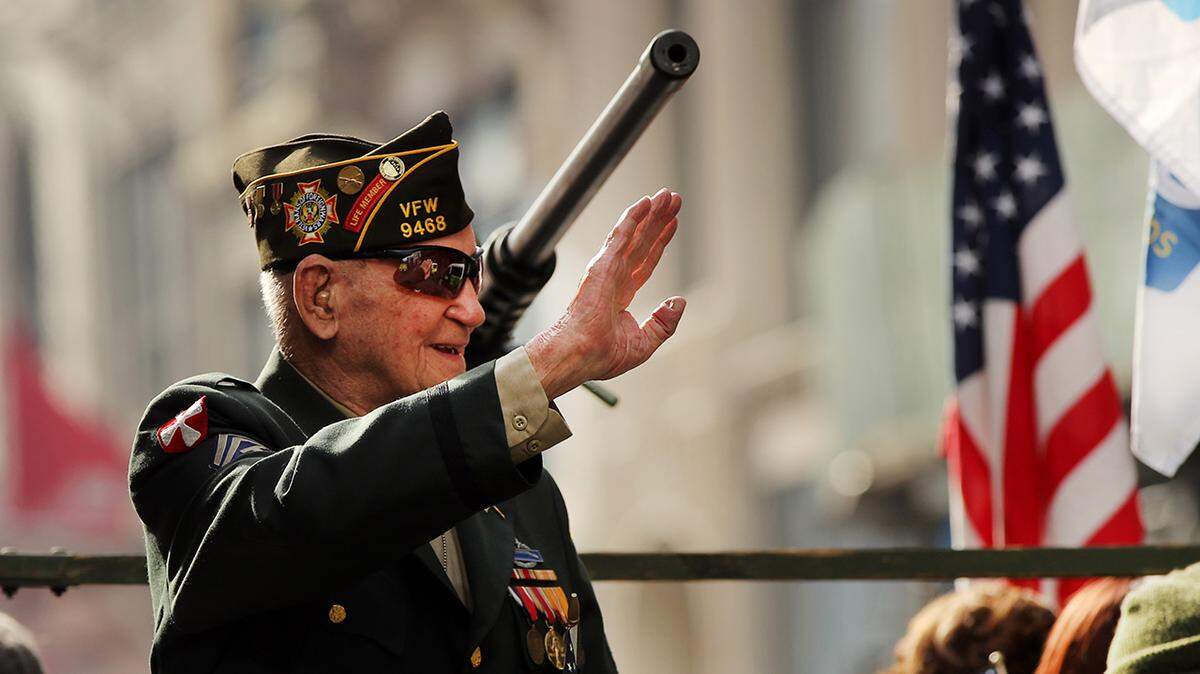
Along with the inherent health and safety risks faced during service in the armed forces, veterans may face a higher risk of developing dementia based on their military experiences. Studies by the U.S. Department of Veterans Affairs (VA) found that older veterans diagnosed with a traumatic brain injury (TBI) had a 60 percent greater risk of developing dementia as compared with veterans of the same age who had not suffered a TBI. Prisoners of war (POWs) had about a 50 percent greater risk of developing dementia later in life, and POWs affected by post-traumatic stress disorder (PTSD) had more than double the risk.
All of this is especially relevant in Florida, which has one of the largest veteran populations of any state in the country. Over 1.5 million veterans live in the Sunshine State —12 percent of the entire adult population — according to the Florida Department of Veterans Affairs. More than half of Florida’s veterans are 65 years old and over, and the risk for dementia increases as we age.
What can veterans do?
They can start by learning more about the warning signs and services available to help. The Alzheimer’s Foundation of America (AFA) is hosting a free Brain Health Awareness webinar for Florida veterans and their families on, June 1 from 11 a.m. to 12 p.m. It will provide information about brain health, dementia warning signs, early detection and services and support available to help Florida veterans and their families. Learn more and register by visiting www.alzfdn.org/veterans.
Getting a memory screening is another proactive step. These noninvasive healthy brain checkups consist of a series of questions by a trained professional to gauge thinking and language skills. They are a good first step toward detecting a potential memory problem. Even if you are not experiencing any signs of memory loss, regular screenings provide a baseline that can help you detect a potential problem earlier. Memory screenings are included as part of Medicare’s Annual Wellness Visit. AFA also offers screenings in a virtual format on an ongoing basis, free of charge, with no minimum age or insurance prerequisites. Call 866-232-8484 to learn more.
Make lifestyle choices that can help lower your risk: Exercising, eating a nutritious diet, getting good sleep, learning new skills, and staying socially connected can all help, as can quitting smoking and limiting alcohol.
Veterans deserve our admiration, respect and gratitude for their service. They are heroes who answered the call to serve us. We urge them to answer the call to be proactive about their brain health — so that they can serve themselves and those who love them.
Charles J. Fuschillo, Jr. is president and CEO of the Alzheimer’s Foundation of America.
This story was originally published May 30, 2021 at 6:20 PM.