Pandemic helped us create great public spaces. Let’s keep the momentum going | Opinion
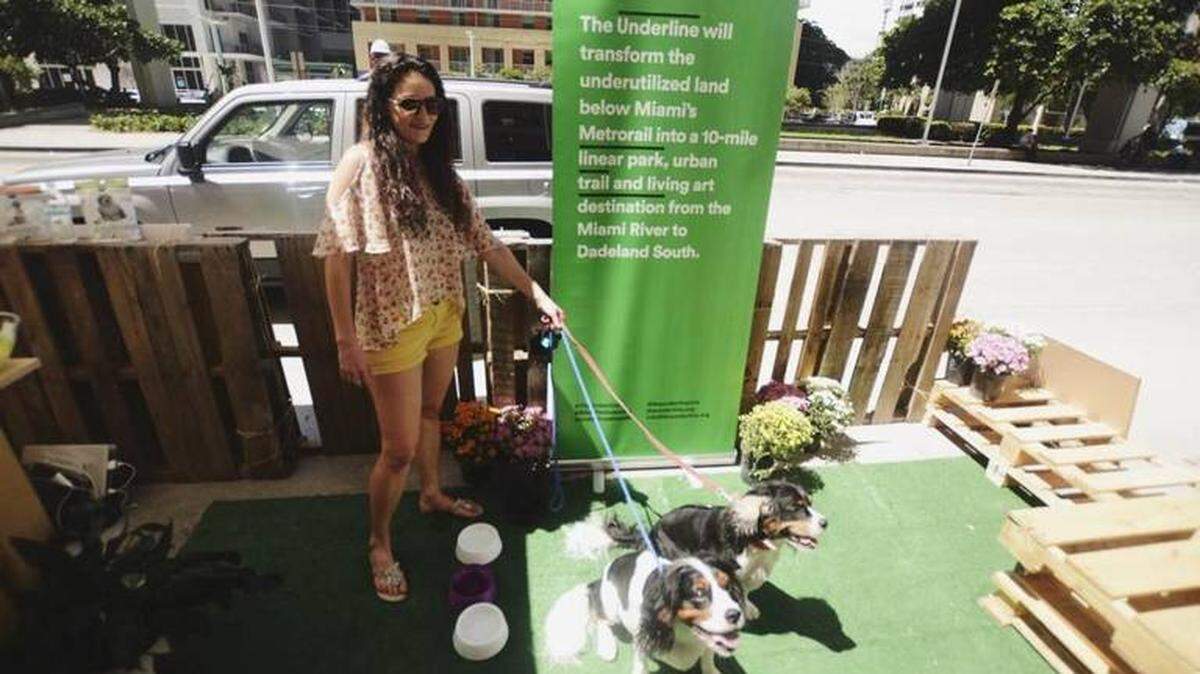
We love the nurses and doctors of this community and are eternally grateful for its essential workers. But there are some other unsung heroes of the pandemic: our streets and parking spaces. During the past year, streets — our foundational public space — quietly took center stage to become impromptu gathering and play areas.
City leaders made it quick and easy to repurpose spaces typically reserved for cars. The business community’s ingenuity ensured we’d enjoy a meal in reimagined parking spaces or skate in the street without fearing cars.
The effect was immediate. Businesses increased their footprint — and their revenue. Residents could take longer walks while community organizations served those most in need.
This is not the time to retreat. In fact, if we continue thinking of our public spaces, streets and parking lots as flexible, creative solutions for a variety of needs, our community and economy will benefit.
As COVID restrictions ease, we hope our leaders and the business community will expand on three trends that make our streets friendlier, our businesses more profitable and our community more resilient.
▪ Keep — and expand — parklets
You’ve seen parklets pop up in parallel parking spots during the year — the spaces transformed by protective barriers, tables, chairs and plants.
A few months into the pandemic, businesses, especially restaurants, eagerly transformed parking spots to expand their “seating area.” The city of Miami made it easy to install a parklet, while organizations such as the Miami Downtown Development Authority and Coconut Grove BID helped expedite permits and contributed barriers and umbrellas to keep costs low.
Parklets have been a passion project of ours. We helped Miami create the original legislation for them several years ago and organized a one-day parklet festival called Park(ing) Day Miami.
Thankfully, the city just voted to allow parklets to exist indefinitely. Other cities should follow suit. Pandemic or no pandemic, our streets can be lined with parked cars, empty and passive — or we can make it easier for people to fill more of these spaces. Parked cars don’t generate much revenue for businesses. People do.
▪ Turn more streets into pedestrian zones
Nothing makes a Miamian gasp with apprehension more than the mention of a car-free street. Yet, Miami Beach’s Ocean Drive — which fully closed off access to vehicles in 2020 — is living, breathing proof of how opening a popular thoroughfare to pedestrians will attract even more people.
The best part is you don’t have to have Ocean Drive’s beachy looks to get the same result. Think Coral Gables’ Giralda Plaza, Times Square in New York and Third Street Promenade in Los Angeles. All are car-free and have transformed their neighborhoods.
Smaller gestures — like Miami Beach designating “Slow Streets” in neighborhoods where the speed limit is 20 miles an hour — also work well. Walking on a narrow sidewalk with zooming cars strikes fear in the bravest souls, while ambling with friends, in safety, helps you feel more connected to a place.
▪ Make it comfortable to be outside
It’s April and it’s already 80 degrees. Waiting for the bus in July is torture, and visiting a park with little shade for a summer picnic is tempting the sunburn gods. Yet, when we were forced to wait in a line outside of stores to avoid overcrowding, or at COVID vaccinations sites, tents and umbrellas kept people cool.
Continuing to be mindful of what people need in order to be more comfortable outside is a small effort with a big payoff. Adding to our tree canopy makes it pleasant to be outside and, perhaps most important, makes Miami more resilient against a warming climate. Finding creative ways to incorporate artful shade structures is an added bonus.
Jane Jacobs said, “Cities have the capability of providing something for everybody, only because, and only when, they are created by everybody.” This is most true in public spaces, especially streets, where people’s presence makes them delightful and inviting.
To understand a city, look at its public spaces. They are the pulse of a community — and they bind us to moments in time, each other and this place we call home.
Marta Viciedo and Irvans Augustin co-founded Urban Impact Lab, a local civic innovation firm that digests large-scale urban challenges into projects that build a better Miami for everyone.