
Parents have the power to raise children who will create a harmonious, inclusive society | Opinion
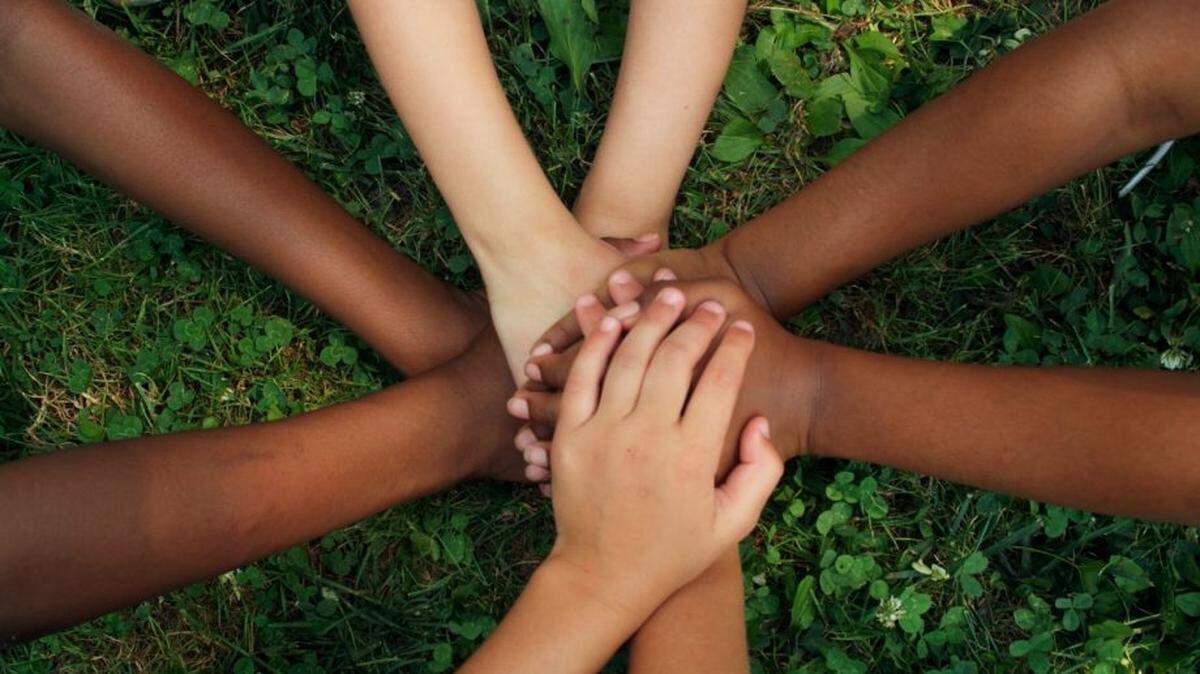
March is Women’s History Month, February was Black History Month, April brings Native American Indian Awareness Week. Given the nuanced and complex nature of the discussions the observances spur in today’s racially charged society, it is difficult for most of us to ensure we are sending the right messages to one of the most important audiences: our children.
Studies show infants recognize racial differences, can distinguish skin colors and tend to prefer same-race faces. Biases are prevalent by the time children are toddlers. While this does not mean they are racist the way adults can be, this means that children begin early — very early — to engage in these considerations.
Based on my experience as an educator and the countless conversations I’ve had with experts, parents and children on these topics, I can offer some general guidance:
- Begin the conversations early. Expose children to age-appropriate fiction and non-fiction books, movies and community events that exemplify diversity and inclusivity, and use age-appropriate words to discuss them. Such books include “It’s OK to be Different,” by Todd Parr; “All are Welcome,” by Alexandra Penfold; and “Whoever You Are,” by Mem Fox.
- Respect their curiosity. Let kids know it’s acceptable for them to notice people’s unique characteristics, such as their skin color and hair texture. Create a safe space for them to share their thoughts, emotions and experiences with you.
- Cultivate open communication. If children make any negative racial comments, inquire — without judgement — why they did that. Use language that is appropriate for their ages. If you don’t know the best answer, don’t try to guess. Rather, tell your children you will look for the answer together. Keep in mind that while most children have a hard time understanding big words like “discrimination” and “oppression,” they generally understand the meaning of what’s “fair” and “unfair.” Consider using this as a starting point for the discussions. At the same time, share your own feelings so the children feel they are part of an honest, open, two-way dialogue. Provide real-life examples of moments when you felt a bias, and share some of the ways you overcame that bias.
- Choose diversity and inclusivity. Enroll children in diverse schools and ensure the books, toys, and movies include diverse characters. Live in a diverse neighborhood and keep a diverse group of friends. Discuss the experiences of all types of ethnic and racial groups, and rather than focusing exclusively on the difficulties they’ve encountered, make sure to also mention their contributions and stories of joy, family, community and resilience.
- Lead by example. Recognize that children are always watching, and even when they don’t seem to be listening, they are keenly aware of us. Be mindful of what you say in the presence of children and how you treat others around you. And take ownership of any mistakes you make along the way. Rather than striving for perfection or presenting facades, it’s important to expose children to the realities of these issues in age-appropriate manner and give them tactical “how to” guidance on accepting and embracing men and women of all racial, cultural and ethnic groups.
Children are our community’s future, and ensuring a tomorrow that brings a harmonious, inclusive society requires taking the right measures today to show them how to be changemakers. By working hand-in-hand with schools, community organizations and fellow neighbors, we can continue to tear down the walls and build a solid foundation of togetherness, brick by brick.
Jessica Pinto, founder of La Piazza Academy in Miami,