El Salvador’s extreme abortion ban imprisons innocent women who suffer miscarriages | Opinion
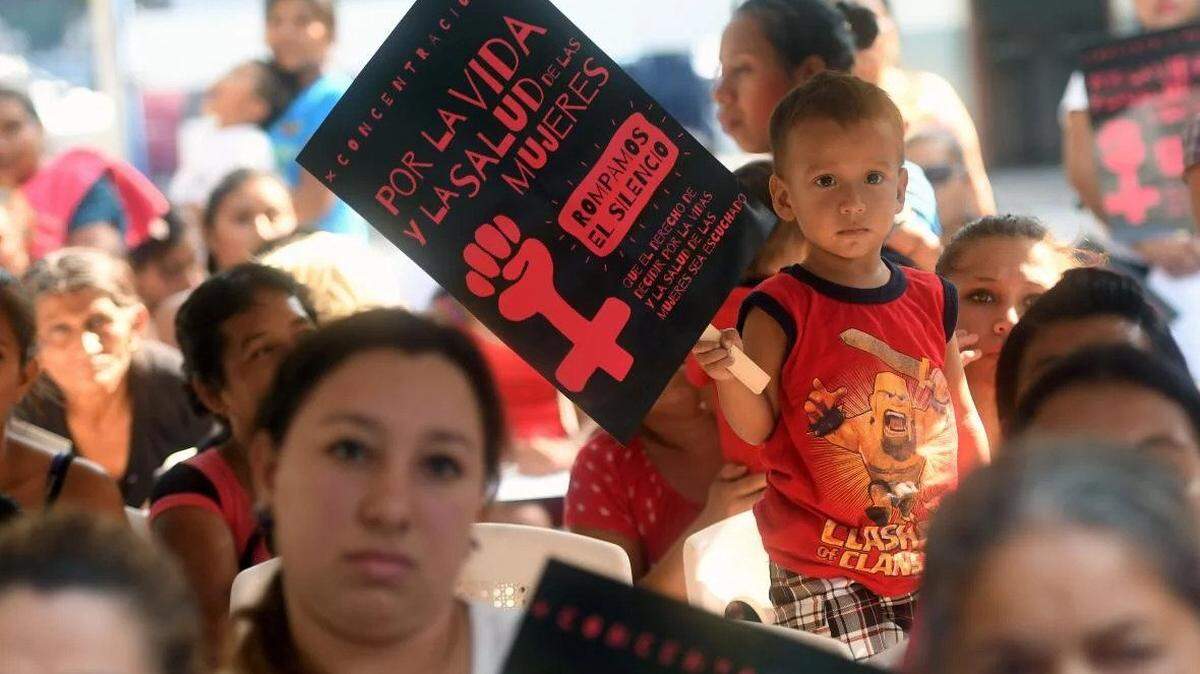
We met Sara in a women’s prison in El Salvador in November 2019, part of a fact-finding delegation to understand how criminalizing abortion destroys families and communities. As legislators from states that have chipped away at the legal right to abortion and made it harder to access, we thought it was critical to see firsthand the logical outcome of banning abortion —turning women into criminal suspects anytime something goes wrong with a pregnancy.
Sara was one of 13 Salvadoran women serving prison time because of the draconian abortion ban. We were among five legislators from Alabama, Arizona, Florida, Georgia, Ohio; American and Salvadoran advocates and lawyers; and the translators working overtime to capture the devastating nuances and heartbreaks of each woman’s story.
When Sara was 22, she was excited to be pregnant for the first time. One day, while tending to house chores she tripped and fell, resulting in serious injury, bleeding and, ultimately, an obstetric emergency. While recovering in the hospital, she was detained by police and wrongfully accused of having an abortion. Sara was sentenced to 30 years in prison for aggravated homicide. Now, after nine years in prison, a tribunal in El Salvador is preparing to hear Sara’s case for the third time. We hope she will be released.
In the United States, 2,200 miles away from Sara, Arkansas lawmakers have sent an all-out abortion ban to the governor’s desk. In South Carolina, a ban on abortion as early as six weeks into a pregnancy has already been signed into law this year (though not in effect while litigation continues). In Arizona, the attempt to criminalize abortion threatens the health, rights and economic security of women — even more so at a time when the health system is overwhelmed by the pandemic and care is increasingly difficult to access.
This is just a small sampling of what states are doing. This year alone, anti-abortion legislators have introduced 384 anti-abortion provisions across 43 states. This, sadly, builds on years of attacks resulting in more than 500 state-level abortion restrictions on the books and a stigmatizing obstacle course that patients are forced to navigate simply to get the care they need.
In fact, while we were meeting Sara in that women’s prison, lawmakers in Ohio were introducing a bill to ban abortion and impose prison time on patients and doctors alike — showing that it is not outside the realm of possibility that Sara’s fate could await women in the United States. While we were there, courts were considering Alabama’s all-out abortion ban and Georgia’s six-week abortion ban.
El Salvador should release Sara. And U.S. lawmakers should look to her and the dozens of other women who have been imprisoned in El Salvador because of the nation’s unjust abortion laws and stigma for evidence of what could happen here if we don’t stop the brazen attempts to ban abortion in states across the country.
There’s no way to ban abortion, in this country or anywhere else, without turning women into suspected criminals at every turn of their reproductive choices and outcomes. In El Salvador, we saw firsthand that poorer women are most vulnerable to being accused of abortion or aggravated homicide; similarly, in the United States, poor women will continue to bear the brunt of harsh abortion laws, with richer women having the means to cross state, or even international, lines to seek abortion care elsewhere.
Making abortion illegal in any country sits at the nexus of state violence, economic coercion, white supremacy and misogyny. We’ve seen here at home that pregnant people are subject to state surveillance in ways that preview what banning abortion could lead to. In 2019, a pregnant Alabama woman was arrested for being the victim of a gunshot wound and losing her pregnancy. Even though the charges were dropped, it’s an alarming example of the implications of banning abortion.
We walked into that El Salvador prison already supporters of women’s health care and reproductive rights; we walked out as staunch defenders of Sara and of all women around the world who are subject to harsh and uncaring policies.
No one should be in prison because of a healthcare crisis. No one should be torn from their family because of a tragic pregnancy outcome. Instead, we need a society that leads with compassion and puts individuals’ health, safety and real-life needs first.
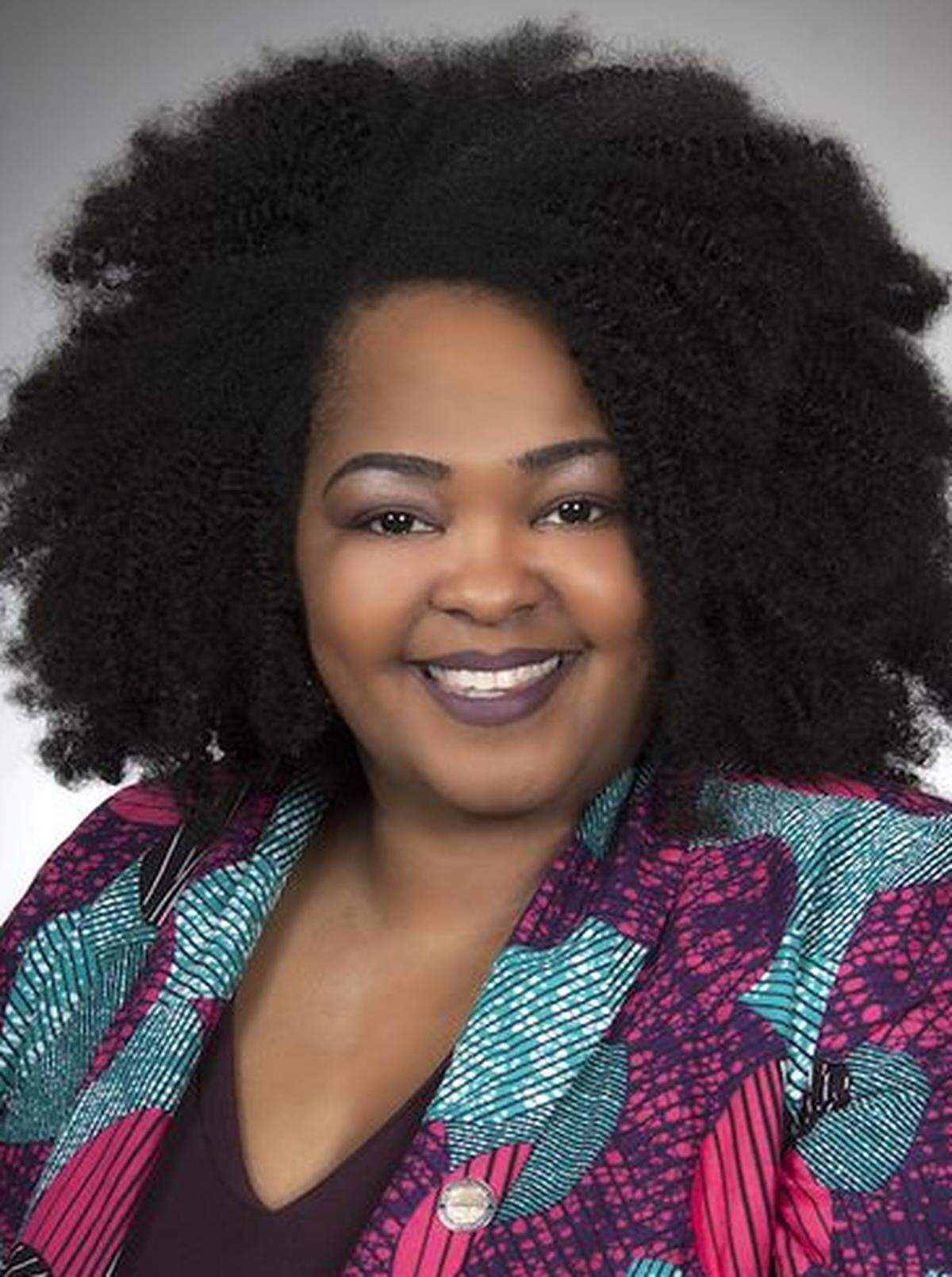
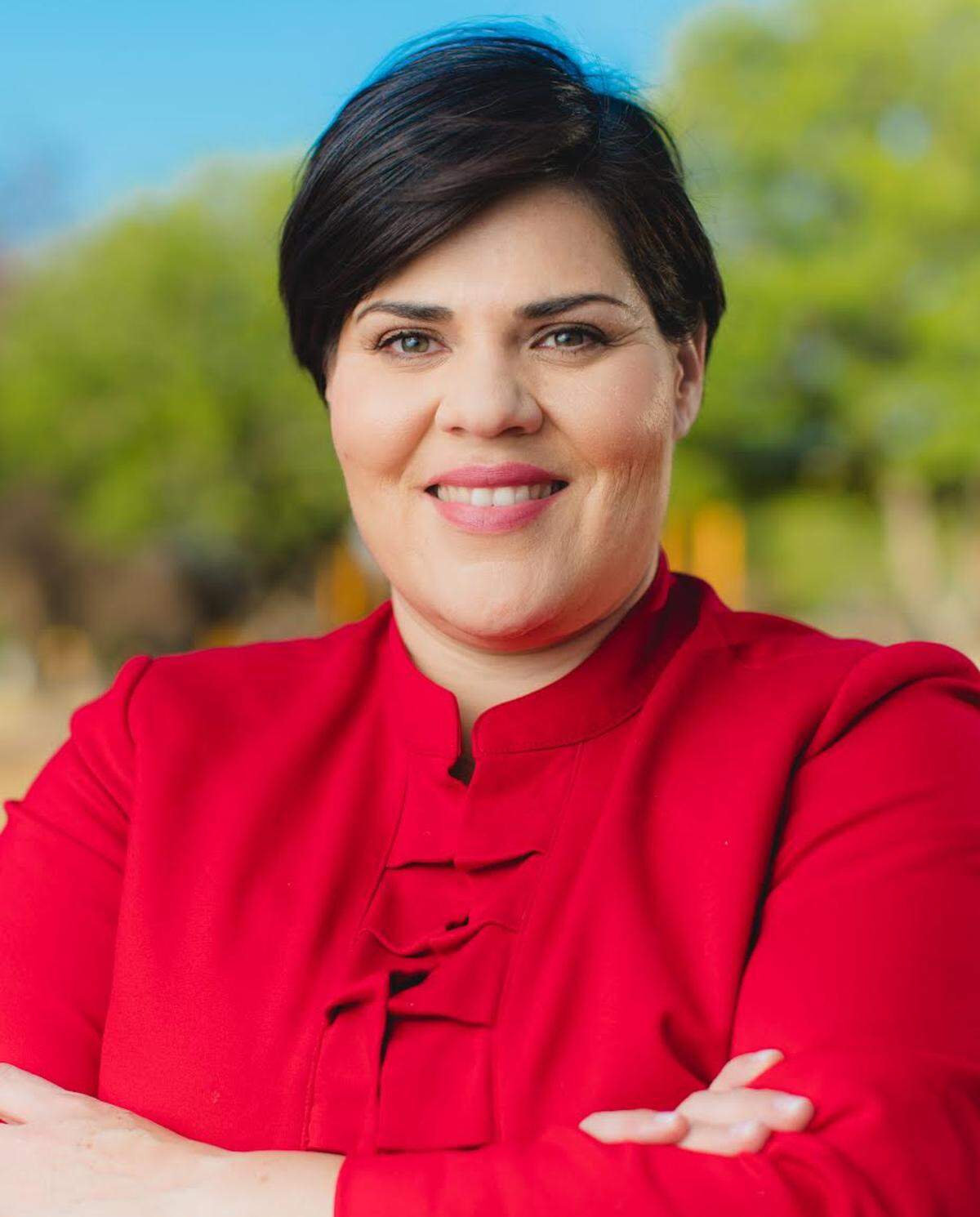
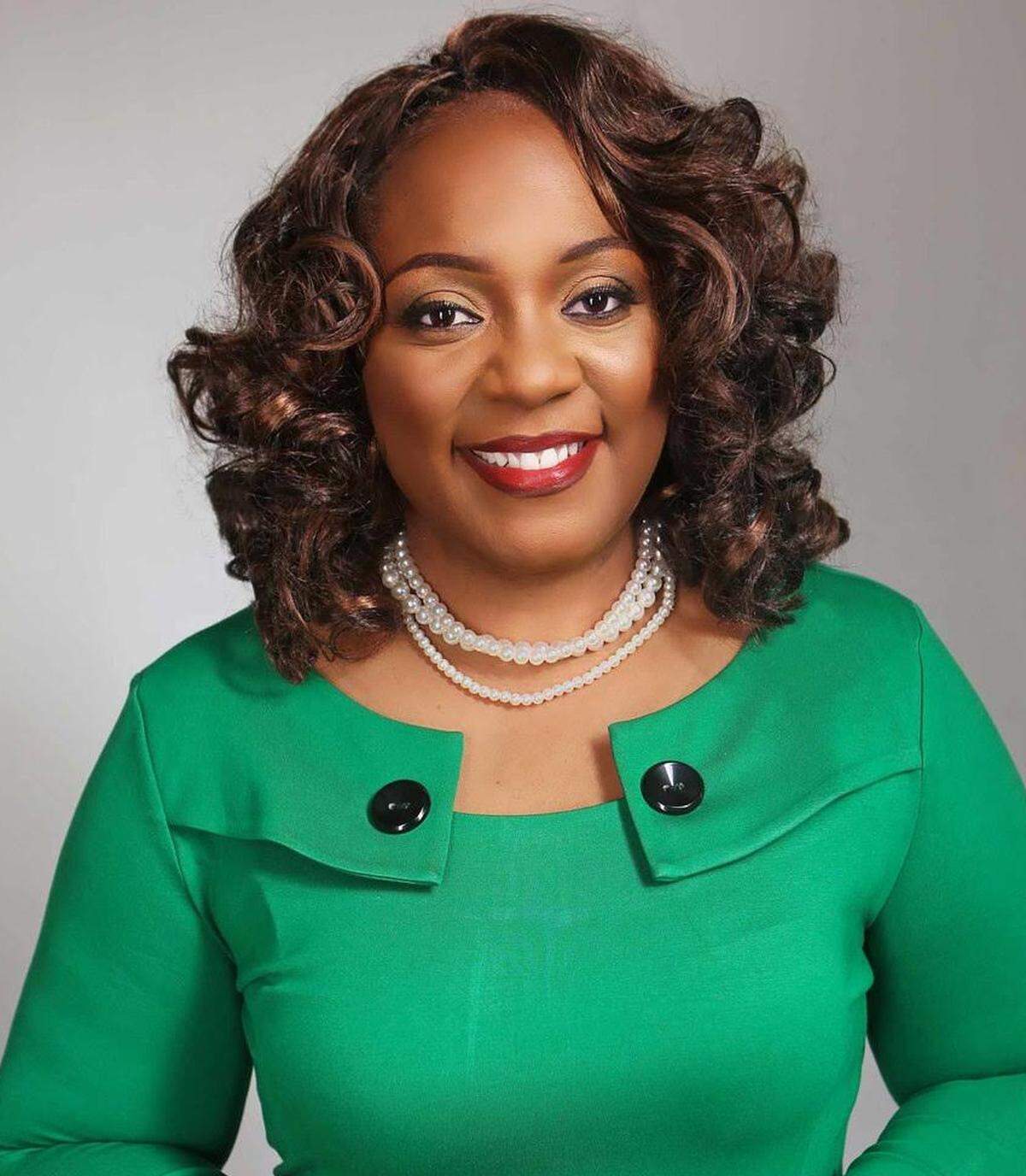
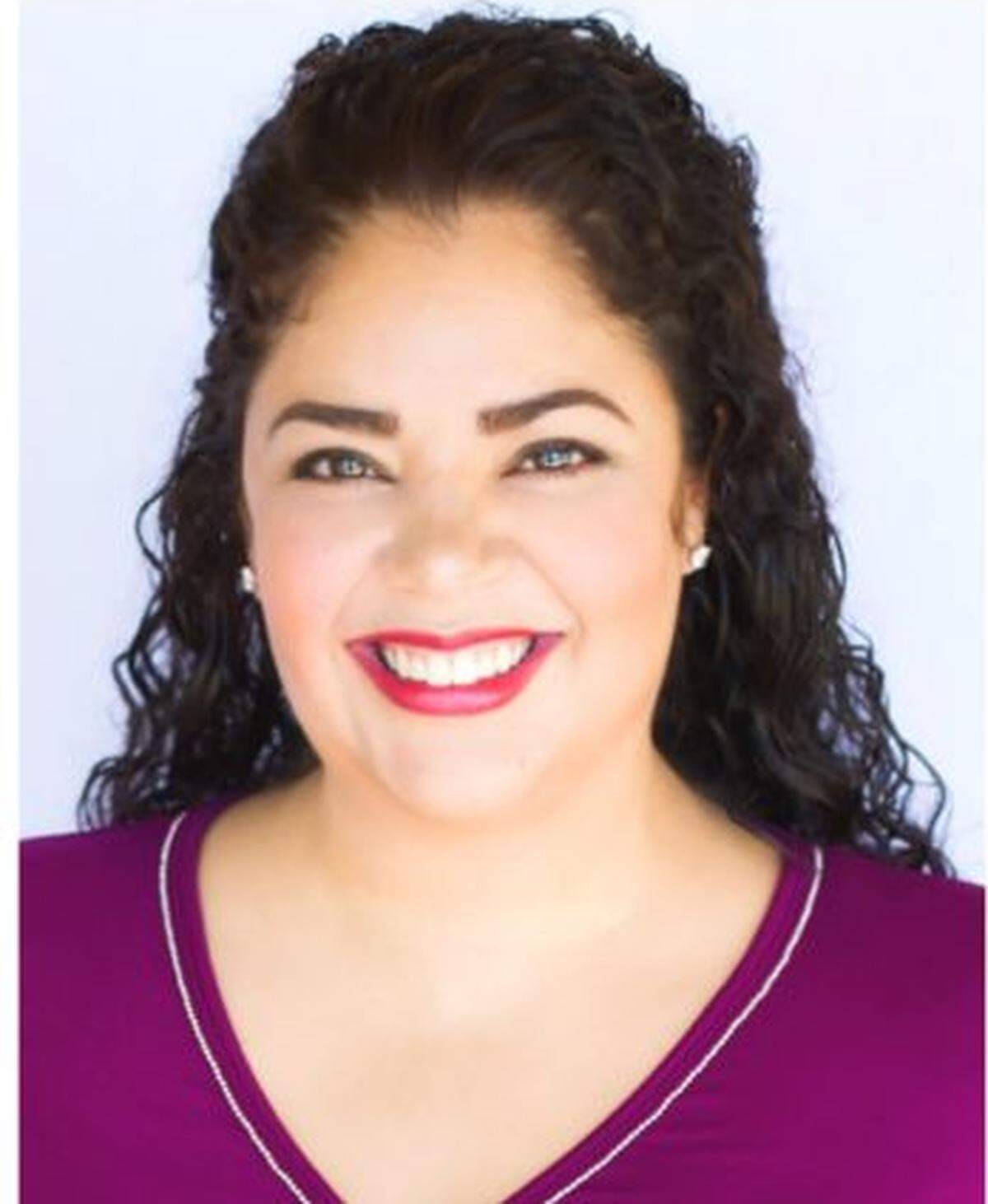
Stephanie Howse, Raquel Terán and Merika Coleman are state representatives from Ohio, Arizona and Alabama, respectively. Cindy Polo is a former state representative from Miami-Dade County, Florida.