The men at Guantánamo Bay are worth defending. Our system of justice demands that we do | Opinion

As the detention center at Guantánamo Bay enters its 20th year, the controversy surrounding what to do with its 40 remaining detainees has only increased.
President Biden acknowledged the need to close Guantánamo, a sentiment echoed by Secretary of Defense Lloyd Austin in his confirmation hearing. In fact, the administration just launched a formal review to begin this process.
But surprisingly, the decision was made on Jan. 21 — the first full day of the Biden presidency — to begin a new trial for three men, including our client Nazir Bin Lep, arrested almost 20 years ago. If past is prologue, this trial could last another decade or more, prolonging the aberrant life of a place America has never found the moral courage to end.
Controversy, of course, is no stranger there. Our national discourse has devolved so far that some are calling for summarily executing untried Guantánamo detainees. And the Department of Defense reversed its original plan to vaccinate detainees against coronavirus, even though those vaccinations could protect the more than 6,000 Americans who live on the island.
This illustrates the unfortunate paradox of Guantánamo: American values unquestionably demand protecting detainees’ rights, yet anything perceived to help them is immediately opposed, regardless of the consequences.
But we at the Military Commissions Defense Organization, a group of military and civilian personnel who represent some of the detainees, see the rule of law as worth defending. We are committed to the fairness, transparency and justice that the military commissions claim to be dedicated to achieving. Consequently, we deeply value the work of defending these men.
This may surprise some. After all, some of these men allegedly are responsible for thousands of American deaths and for the murder of innocent people across the globe. How could members of the military value defending them?
Here’s how: We value defending these men because America is not an authoritarian third-world dictatorship. In a nation of laws, the government must produce reliable evidence that someone did something wrong. And even then, as once argued by Sen. John McCain, the “United States … is a nation that upholds values and standards of behavior and treatment of all people, no matter how evil or bad they are.”
We value defending these men because our government brutally and systematically tortured hundreds of men and boys, often on the smallest suspicion of ties to terrorism. While we cannot erase these stains on our national honor, we can show we are better than the worst things we’ve done, and that we are courageous enough to embrace a search for the truth no matter where it leads — the essence of a fair trial.
We value defending these men because there needs to be an objectively fair justice system. One that holds government personnel accountable when they act unlawfully. When they torture. When they hide bias and conflicts of interest. When they plant moles and spy on defense attorneys, who do our jobs not because we support terrorism, but because we champion the rule of law.
We value defending these men because our justice system has been a model for the world. What better way to have moral clarity than by treating our alleged enemies fairly and impartially? And what better way to ensure any future convictions are upheld than by carefully insulating trials from impropriety? This is what we’ve done in previous terrorism cases, and it is a path we should not abandon now.
We value defending these men because the victims and the public deserve closure. For years, families who lost loved ones on 9/11, or aboard the USS Cole, have traveled down to Guantánamo to witness endless hearings. These survivors need that closure, but the government’s denials of proposals and requests from defense attorneys have pushed it ever further out of reach.
In the words of John F. Kennedy, “The rights of every man are diminished when the rights of one man are threatened.” No matter who that one man is, this is a foundational tenet of our democracy to which we must adhere. And even in the most difficult of cases, we cannot conveniently ignore our principles and the fundamentals of our justice system.
To the contrary, in such circumstances, we must embrace them even more tightly. As stated by McCain, “This question isn’t about our enemies; it’s about us. It’s about who we were, who we are and who we aspire to be.”
America has long aspired to be a nation defined by due process and fair treatment under the law, and that aspiration has never been more important than it is today, even when applied to the men in Guantánamo Bay.
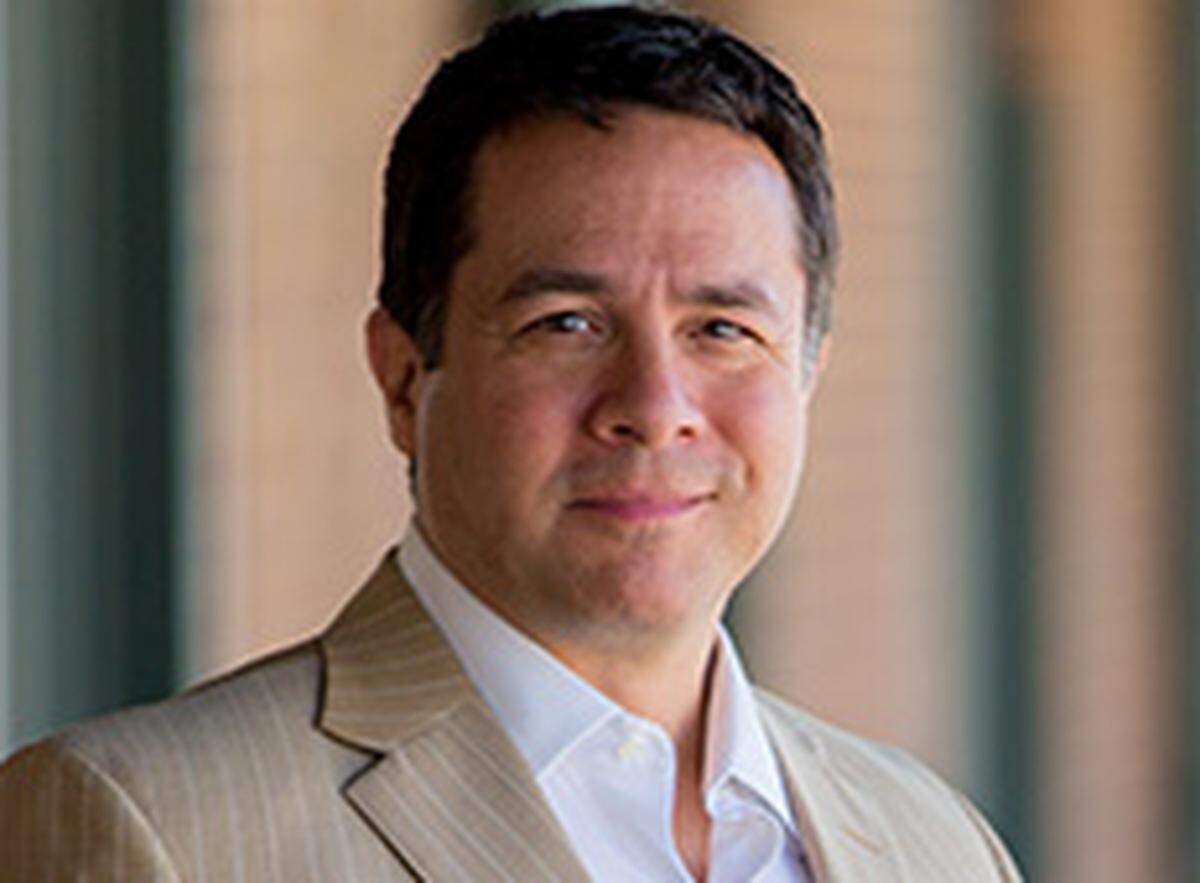
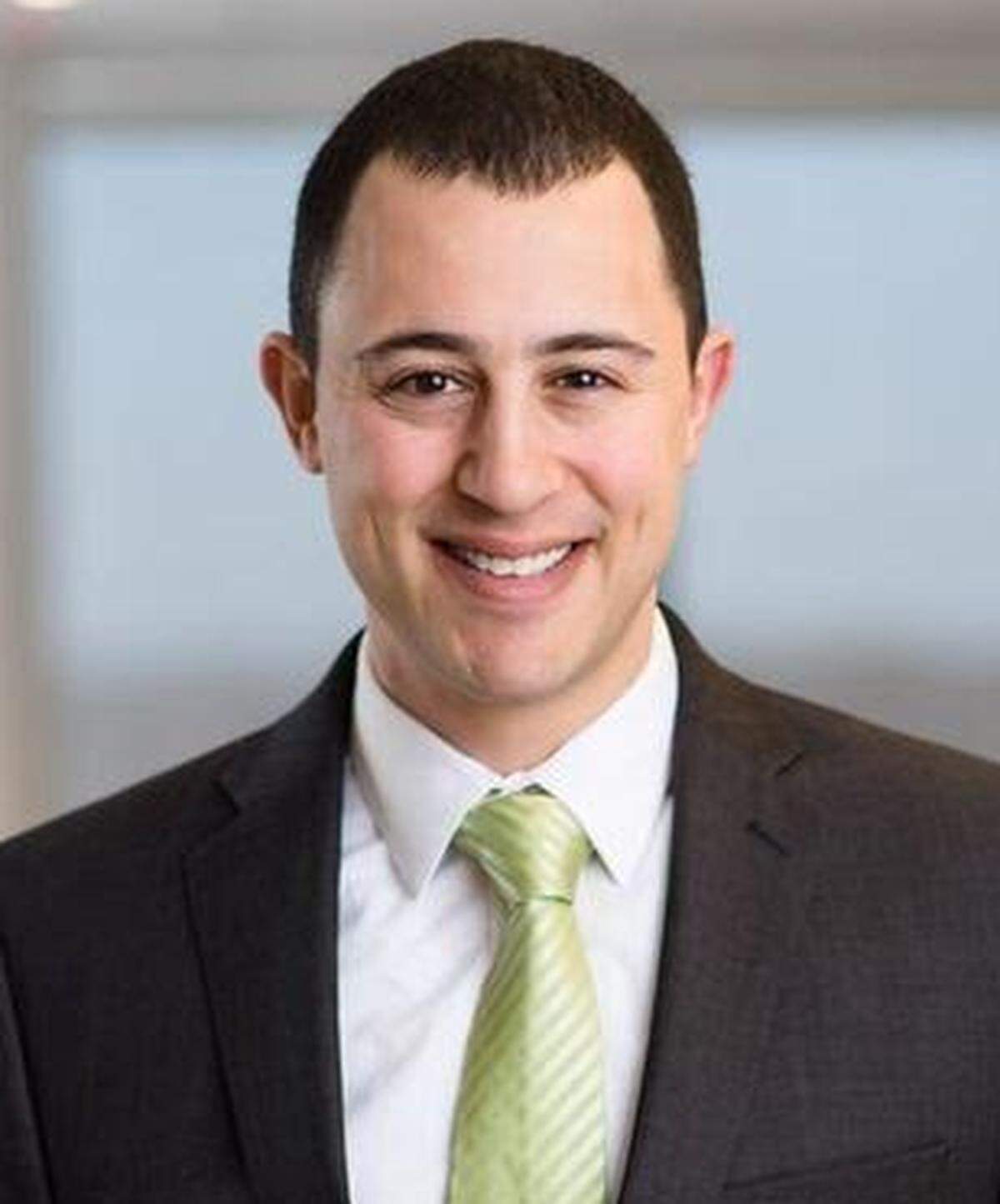
Brian Bouffard is a civilian trial defense counsel, and Aaron Shepard is a lieutenant commander in the U.S. Navy Judge Advocate General’s Corps. Both are assigned to the Military Commissions Defense Organization and lead Nazir Bin Lep’s defense team. The views expressed do not reflect the views of the Department of Defense, the U.S. government or any of its agencies or instrumentalities.