
El Salvador’s elections are a chance to bring political stability, economic progress | Opinion
El Salvador is a polarized society. A long history of dictatorships, followed by a vicious civil war; ended with the promise of peace and opportunity. But it’s a promise that has not been kept. Since the peace accords in 1992, two parties have dominated the political scene and Parliament — the ARENA, which came from death squads; and the FMLN, formed by former insurgent guerrillas.
Between them, they have ruled for three decades, each proving as corrupt as the other, both equally incapable of adequately addressing the massive problems of gang violence, extortion and the economic crisis that have held El Salvador’s development back. Their collective failure since 1992 has resulted in significant emigration from my country, including some 3 millions Salvadorans who have gone to the United States in search of a dignified life.
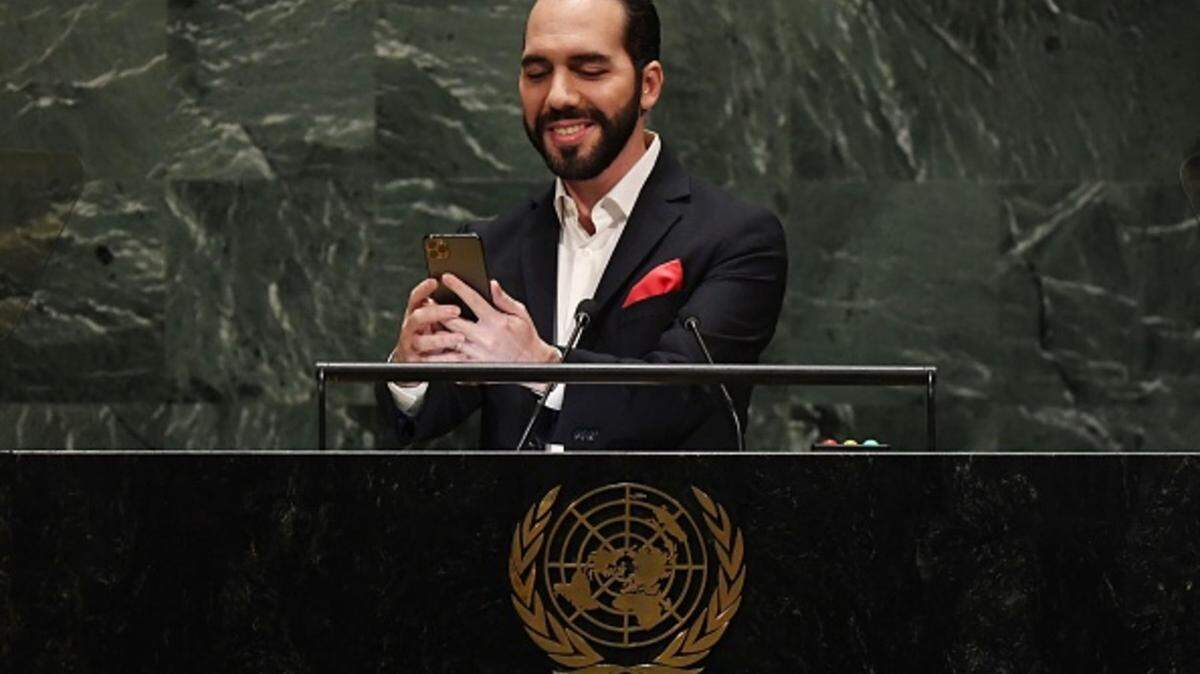
Since his inauguration in 2019, breaking the cycle of the two dominant parties, President Nayib Bukele has enjoyed unprecedented confidence among citizens, regularly polling around 90 percent approval. He initially rose into the public eye after his successful mayorship of San Salvador, where he continuously prioritized the citizens of the capital rather than any partisan agenda.
According to independent political polls, the Feb. 28 municipal and legislative elections are likely to see the parliament shift from ARENA-FMLN domination to a clear majority for the president’s newly formed party, Nuevas Ideas. The old parties have tried — and failed — to block this outcome.
Their current hold on the National Assembly provides their last chance to block Bukele’s reform efforts. In the last month — and with no grounds to do so — they attempted a legislative coup to impeach Bukele in order to skew the election results. Over three decades, they have filled all state institutions with their supporters, including the office that controls electoral machinery. There are fears that they could resort to dubious practices to prevent the predicted outcome.
Perhaps worse, there has been a baseless media campaign claiming, with no evidence, that Bukele has bribed gangs to ensure his electoral victory. By tarnishing the election process this way and challenging the incoming administration’s legitimacy with false claims of criminal influence, the old opposition is simply creating further instability in El Salvador.
The future of my country is in the balance. Over the past year, gang violence has been reduced significantly, but the economy continues to face challenges brought on by the COVID crisis. Recovery will be difficult, even more so if it is to be achieved in a period of willfully sustained political instability.
Such scenarios suit neither Salvadoran or U.S. interests and threaten the important bilateral relationship between our two countries. Bukele is focused on bringing new economic stability to El Salvador to allow our citizens to build dignified lives in their country, instead of migrating. Every effort has to be made, including by the Organization of American States (OAS), to ensure an electoral process that is free of fraud or false disputes over outcomes.
The new Biden administration should look rationally at Bukele’s record and his plans once he has the support of the National Assembly in May. Together, they will bring the peace dividend to the people of El Salvador, which they have been denied for almost three decades.
This is a rare chance for political stability and progress, and both are within our reach. Everyone should be pulling in the same direction to grasp this historic opportunity and not allow false accusations or electoral manipulation to derail El Salvador’s stability yet again. It is crucial that we let democracy speak on Feb. 28, and that the vote reflects only the will of the Salvadoran people.
Félix Ulloa is the vice president of El Salvador.
This story was originally published February 25, 2021 at 3:19 PM.