
Miami-Dade public schools teach Black history all year long, not just in February | Opinion
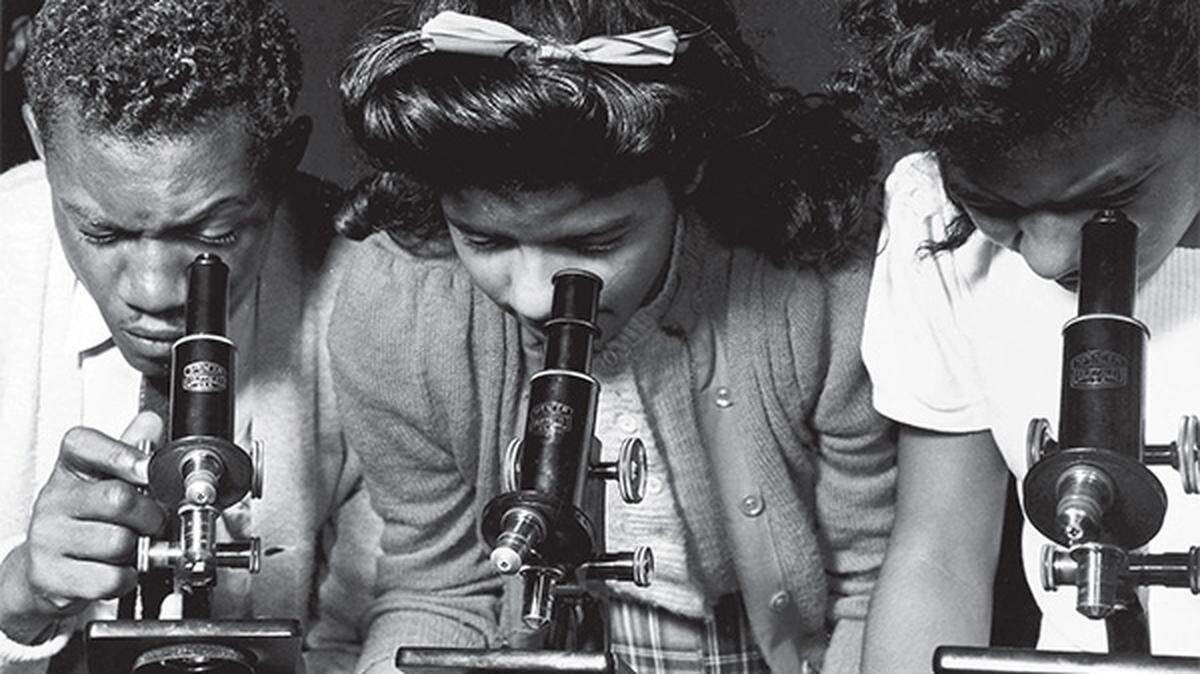
Miami-Dade County Public Schools (M-DCPS) has long been an advocate for instruction that celebrates the historical and contemporary contributions of people of all ethnicities and backgrounds including — but not limited to — African Americans, Holocaust survivors, Hispanics and veterans that add to the rich history of our nation.
The district is sensitive to the views expressed by some parents over what they have said is a lack of Black History Month programming in our schools. As always, M-DCPS values their feedback and wants to address some of their concerns.
Black History Month blossomed from an initiative by Carter G. Woodson, a brilliant and highly accomplished son of slaves, to honor the heritage and achievements of African Americans with a week-long celebration that was designated as a month-long celebration under President Gerald Ford. Although it is observed nationally in February, M-DCPS weaves African-American history into its curriculum throughout the academic year, providing opportunities to emphasize and celebrate African Americans’ varied contributions.
The district’s comprehensive African-American history curriculum is reviewed and updated annually by staff who work with the Florida Commissioner of Education’s African American History Task Force to provide relevant and timely instructional materials for teachers and counselors. Themes such as social justice, racial equality, civil discourse and cultural sensitivity are embedded in instruction, primarily in English Language Arts and Social Studies from kindergarten to 12th grade. At the elementary level, social-learning programs also are incorporated with school counselors receiving training to utilize a variety of age-appropriate programs to engage with students about these themes. In fact, M-DCPS has been recognized as an exemplar in designing and delivering diverse academic instruction that is relevant across a wide spectrum of subject areas.
The school system’s Department of Social Sciences produces resource guides for elementary and secondary students that include activities based on the Florida Standards across multiple disciplines that support quality instruction. These guides also highlight the district’s character core value for February, which is kindness, and include modifications for the 2021 Black History celebration in light of distance learning.
Schools identify African-American history advocates who are provided professional development opportunities, ongoing support and special programs by the Department of Social Sciences within the Office of Academics and Transformation. Additionally, competitions, including essay contests, sponsored by local, state and national organizations such as the 11th Judicial Circuit Court and Florida’s governor’s office, are available for students from kindergarten to 12th grade. As educators working together with parents, we can lift students’ voices by encouraging their participation.
The idea is for all to enjoy, learn, and realize the vast contributions, achievements and phenomenal impact of African Americans that are woven into the fabric of our society. Most important, these efforts expose students, regardless of their own heritage, to diversity. When we celebrate diversity and study Black history, we open conversations for all of us to explore the connections we have with each other and begin to recognize how our differences can bring us together. The goal is to create connected and inclusive school and classroom cultures based on mutual respect and acceptance where all learners feel safe to succeed.
As a parent of an M-DCPS student and a member of the community, I encourage you — our educational partners — to support and expand upon what students are learning at schools. These important, and necessary, conversations begin at home and in your neighborhood.
If you’re unsure of where to start, consider literature. Each Monday in February, schools will be making literacy a part of Black History Month activities by hosting and coordinating “Read-Ins.” Students will be encouraged to select books, poems, speeches or other literary works by African Americans. Books are a wonderful way to introduce tough topics at an age-appropriate level.
Thurgood Marshall said, “Where you see wrong or inequality or injustice, speak out, because this is your country. This is your democracy. Make it. Protect it. Pass it on.” We recognize that while we continue to provide a multitude of resources, there is more work to be done. We encourage parents and community members to partner with our school leaders to further these important conversations.
Our young people are looking to all of us to set the example of how we can unite through understanding to transform our community.
Try Diggs is assistant superintendent in Miami-Dade County Public Schools’ Office of Academics and Transformation, supporting schools to maximize student performance.
This story was originally published February 9, 2021 at 6:49 PM.