
Finding long-term solutions to Florida’s water-resiliency challenges can’t wait any longer | Opinion
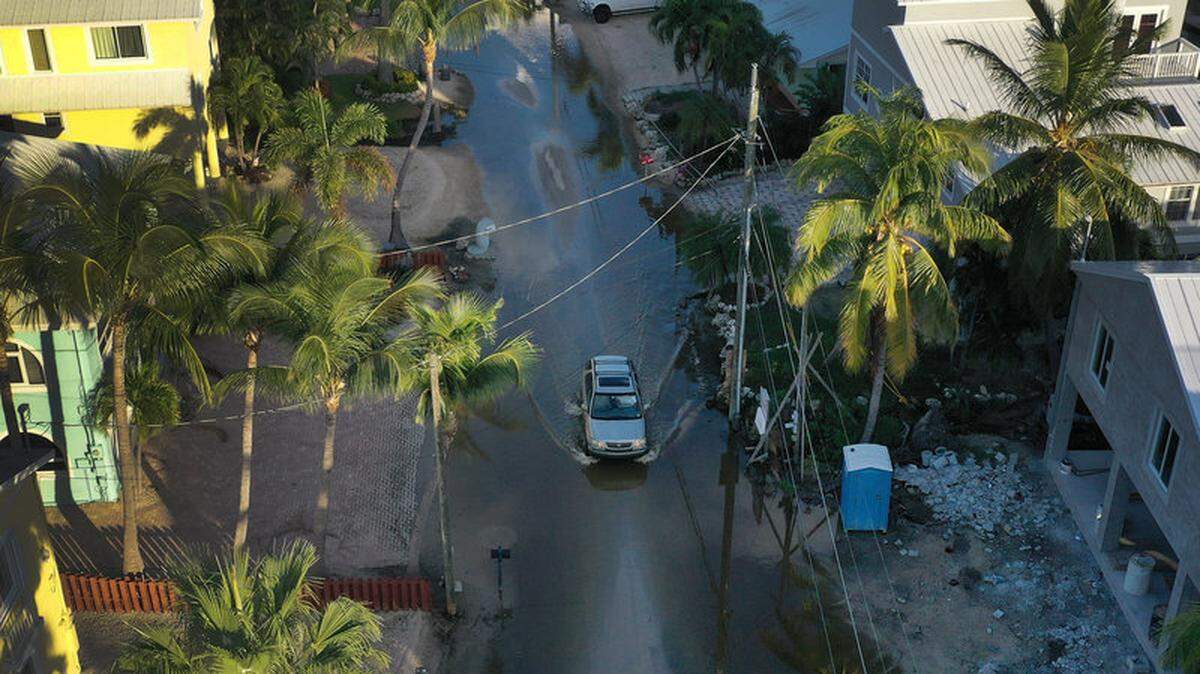
The 2021 legislative session is just around the corner, and the health and safety of Floridians, as well as Florida’s economic recovery from COVID-19 will be a top priority for all lawmakers. The American Council of Engineering Companies of Florida (ACEC-FL) agrees that COVID-19 legislative priorities should take center stage. Yet, lawmakers will also be faced with taking bold actions on a number of important issues, including long-term water solutions.
Senate President Wilton Simpson and House Speaker Chris Sprowls understand the importance of strengthening Florida’s water-infrastructure resiliency. Through careful planning and strong partnerships, they believe Florida can be a national example of resilient communities, where water remains an engine that drives our state’s prosperity instead of driving Floridians out during high-tide flooding events.
We couldn’t agree more.
The Simpson/Sprowls plan calls for increasing flood mitigation projects, engaging other federal partners and partnering with cities and counties to get everyone on board and moving in the right direction. This is the right type of long-term resiliency planning Florida needs.
As engineering firms engaged in studies and projects in Florida’s 412 cities and 67 counties, we’ve seen first-hand the negative effects created by the lack of a unified, statewide plan. Thankfully, our legislative leaders support a long-term strategy to address this issue with a systematic assessment of long-term needs and a fiscally sound approach to implementing engineering projects.
Noah Valenstein, secretary of the Florida Department of Environmental Protection, recently explained that the state needs to be prepared for as much as 2.5 feet of sea level rise by 2050. And he warned that sea level rise will likely impact 300,000 homes representing $145 billion in property value. The reality of increased flooding can be seen from the Keys to St. Augustine — and not just during hurricanes. We no longer have to wait for a catastrophic event — just for a high tide.
In a state known for its beautiful beaches and waterways, it’s essential to fortify its infrastructure to make our communities more resilient. And, as the American Society of Civil Engineers Report Card shows, just as important are the 1,900 impaired water bodies, including those affected by blue-green algae, and the need for $18.4 billion for wastewater infrastructure improvements over the next 20 years to manage septic tanks that are leaching excess nutrients into our canals, lakes, rivers and springs.
It’s a daunting, but important, long-term task for which Florida must prepare. One that, according to Florida’s Office of Economic and Demographic Research, would need an investment of more than $44 billion to properly address — and that doesn’t even include the cost of addressing sea level rise.
Thankfully, Florida’s DEP is in position to lead a statewide annual work plan. With the support of Simpson and Sprowls this legislative session, lawmakers can begin laying the groundwork for Florida’s long-term water solutions.
Allen Douglas is executive director for the American Council of Engineering Companies.