
If Florida takes over permitting, its life-giving wetlands will be lost to development | Opinion
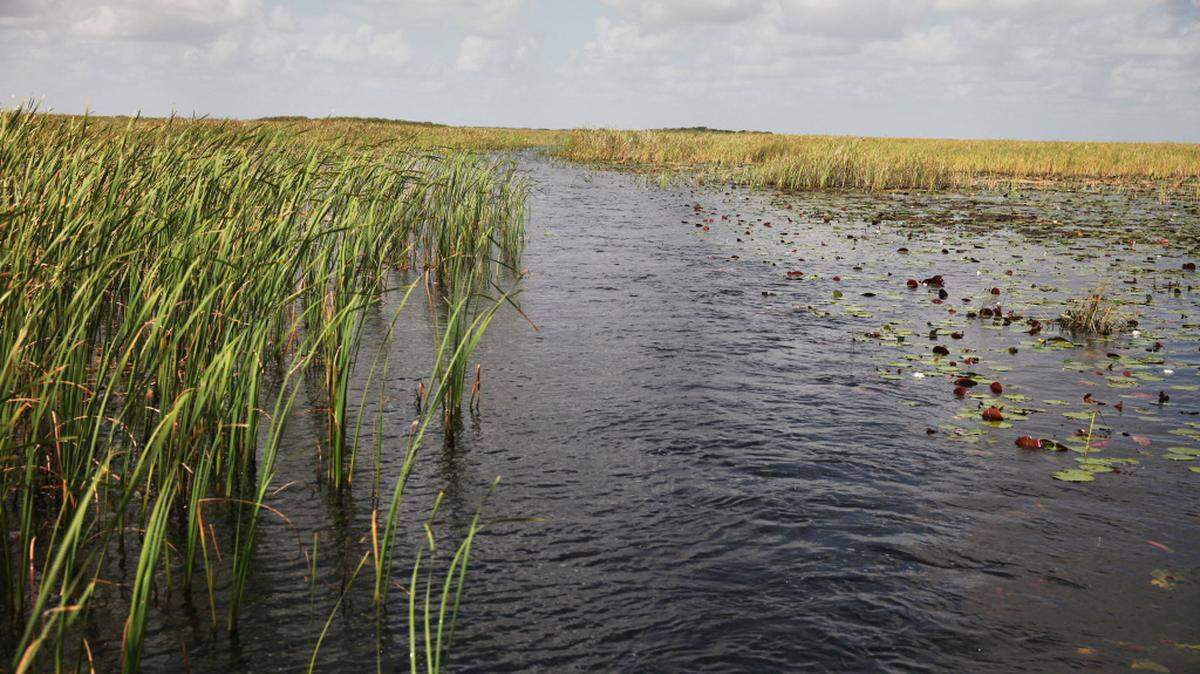
Florida’s Department of Environmental Protection wants to take over wetlands permitting from federal agencies such as the Army Corps of Engineers, Fish and Wildlife Service, Marine Fisheries Service and Environmental Protection Agency.
Under this new plan supported by Gov. Ron DeSantis, the state will take over the longstanding federal program that for decades has protected marshes, cypress forests, ponds and other wetlands under the Clean Water Act.
This plan fast-tracks development permits for powerful special interests that want to exploit Florida’s wetlands for profit, degrade and ruin our natural landscapes and harm our wildlife.
Unfortunately, the state DEP has been weakened by recent legislative and administrative actions. As a result, Florida’s environmental laws have been poorly enforced. Handing over federal responsibilities to the state leads to a less thorough review process and greater wetlands loss.
Florida has the largest wetland ecosystem in the lower 48 states. These wetlands provide free “ecosystem services” critical to our economy. Wetlands supply and clean our drinking water, reduce property flooding by absorbing excess rainfall and provide fishing and boating opportunities.
The wetlands, like the Everglades, support noted wildlife populations that draw tourists to our state. Mangrove wetlands are protective buffers against hurricanes and support coastal fisheries. Wetlands treat agricultural and stormwater runoff, stripping away nutrients that fuel toxic algae blooms. These free services contribute billions of dollars to our economy.
DEP has failed to protect or restore wetlands and water since Florida Forever monies were drastically reduced. Now it wants to take over wetlands permitting, even though its proposal is incomplete, full of uncertainty and will create more chaos when chaos is already rampant. Despite former President George H.W. Bush’s pledge of “no net loss of wetlands,” Florida has lost huge wetlands acreage to development. These wetlands depend on federal protections and resources.
Having federal agencies review projects is essential. They were critically important in reviewing the Oslo boat ramp dredging issue in Indian River County.
In 2003, a former state representative began pushing the county to dredge a shallow area of sea grass to the Intracoastal Waterway (an important nursery for game fish) and build a five-acre parking lot in critical mangrove-wetland habitat.
Scientists at these federal agencies, who are not subject to local politics, were outstanding in examining all aspects independently. They strongly opposed the boat ramp expansion.
The Corps of Engineers asked the community for comments on the project and looked into several aspects of the project: conservation, economics, aesthetics, environmental, wetlands, historical (cultural) properties, fish and wildlife values, land use, navigation, recreation, water quality, safety, considerations of property ownership and the needs and welfare of the people. This is something state agencies do not have the staff to do.
State agencies were ready to approve the project — and they got some political help. U.S. Rep. Bill Posey sent his chief of staff from Washington to Vero Beach’s Fish and Wildlife office to support the boat ramp. The agency, which initially was against the project, changed its mind and approved it.
With that strong pressure, it was essential the Army Corps, Marine Fisheries Service and Environmental Protection Agency review the project. That gave the community time to examine the issues more thoroughly.
Thus, the state DEP should not be given full responsibility for reviewing wetland projects because it’s important for other agencies to provide environmental input. Florida’s DEP does not have the fiscal resources or sufficient personnel to take on these tasks. It’s also more susceptible to local or regional pressures from politicians and developers.
The U.S. Environmental Protection Agency should reject Florida’s push to take over wetlands permitting. It will be a giveaway to developers to build on, costing all of us the free “ecosystem services” if they are destroyed.
Richard H. Baker, of Sebastian, is president of the Pelican Island Audubon Society. He is director emeritus of the University of Florida Medical Entomology Laboratory, Vero Beach.
“The Invading Sea” is the opinion arm of the Florida Climate Reporting Network, a collaborative of news organizations across the state focusing on the threats posed by the warming climate.