
‘I didn’t know my brother was dying of COVID in a Florida prison — until the hospital called’ | Opinion
It won’t mean much to you when I say that John C. Barrett died last month when his tired body gave up to COVID-19 in a South Florida hospital. He was 55 — and my little brother.
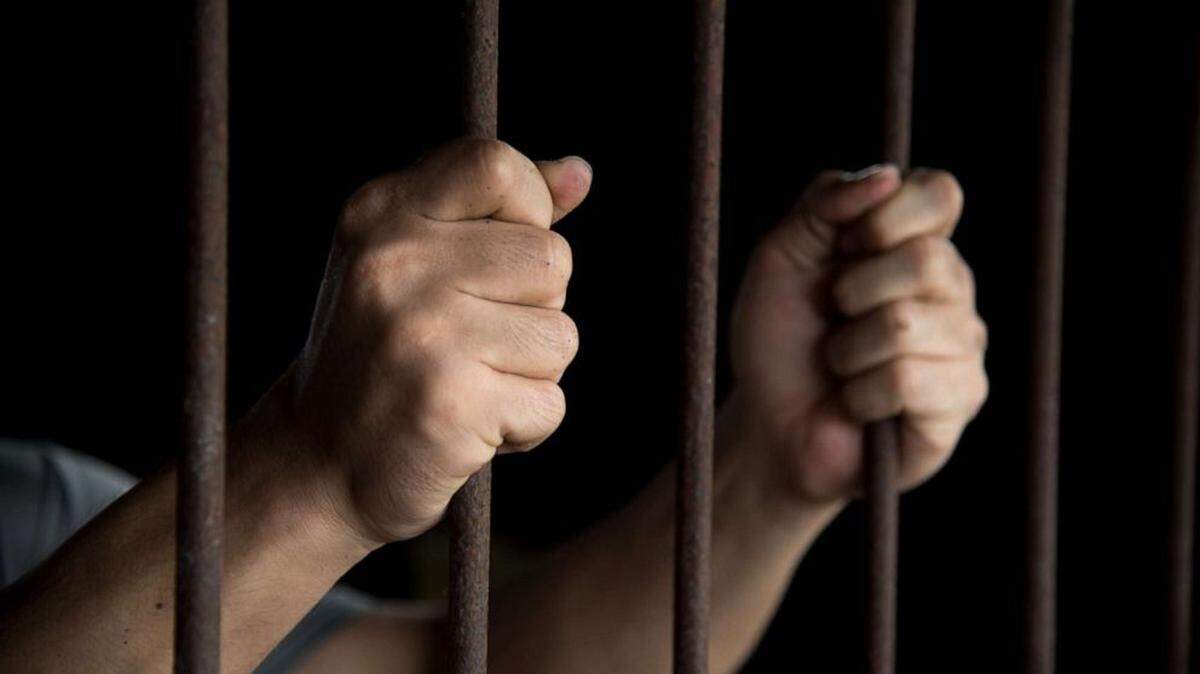
By now, too many of us know someone who died from the coronavirus. But John had been dying, figuratively, for 30 years. That’s how long I watched him struggle to create a meaningful life behind bars in a Florida state prison, four of which were on Death Row.
Against all odds he was successful, a shining example of his character and the man he truly was. He took and gave classes, was well respected as a person and musician, full of humor and a caring, loving family member.
My brother never took anyone’s life — though he was involved in a crime in which four people were murdered — but the Florida Department of Corrections (FDC) took his, slowly and painfully, for decades. A part of me died alongside him even though I was living in Ohio, thousands of miles away.
What is left of him is lying in a morgue because of one last round of red tape. What’s left of me cries out in his name for some measure of humanity for the men and women still living as wards of the state where they are incarcerated.
I am an attorney. Doors open for me, people pay attention to me and cops rarely give me a ticket. But for the past three decades, all my interactions with the state of Florida and the FDC have been frustrating and humiliating. I have spent years begging for my brother to be treated as a human being rather than a number.
I lost contact with John mid-April, but, by then, I had lost contact with much of the rest of the world, too. John said he was in quarantine. His usual Sunday calls stopped, but I told myself to be patient; I had to wait it out with everyone else. Experience told me that I would not get any information about him even if I tried.
And then a person I don’t know called to say my brother was near death.
I don’t know much more than that because hospital staffers did not know much more than that and they are the only ones who told us anything. I was told John was intubated, unconscious and in critical condition. He was dying, and we did not even know he had been sick. I have no idea how the hospital knew to call us. Perhaps John was able to tell them, perhaps the FDC pinned a note to his shirt when they dumped him off there.
I don’t know what his last words were or if he was afraid. I just know he’s dead.
If you imagine that inmates lounge about living the good life on your hard-earned taxes, then you have a wild imagination. When you put a person in prison, you put the whole family in there too. I don’t know how people survive if they do not have families on the outside. I’m thinking they don’t.
Who buys them socks and T-shirts or long underwear so they don’t freeze when it gets cold? Who sends them money when the food is rancid and ketchup counts as a vegetable? Who complains when they are sick and need medical attention?
There are more than 71,700 cases of COVID-19 nationwide inside our country’s prisons, a 10 percent increase from just last week. There were more than 700 reported deaths as of July 27, a 5 percent increase from the week before. The FDC is reporting 6,217 positive cases and 46 deaths among the 94,000 people incarcerated in their state.
You might understand why I don’t trust their numbers. If you don’t test, you don’t know.
Maybe you are still one of those who thinks “those people” deserve it. Well, John didn’t deserve it. I didn’t deserve it. I was there with him because he was my little brother. Prisons are full of brothers, sisters, fathers, mothers, sons, and daughters. It’s time to start acting that way.
Tina Barrett has practiced family law since 2004 in Ohio, where she also does criminal defense work as a public defender.