
We can respect each other’s differences while recognizing our interdependence | Opinion
Do you have someone in your family who often thinks differently than the others? Someone who usually finds something to complain about? Or suggests you all do something or go someplace that no one else likes?
In my family, that was my brother, John. You could count on him to champion a cause that nobody else cared much about, like cheering on the local minor-league hockey club or wondering why the geese hadn’t migrated from Canada yet or becoming a vegetarian.
John knew every player’s stats and, one season, unbearably upset when one of his heroes got traded to another team, he fired off a letter to the owner of the Wolf Pack threatening to cancel his Dad’s season tickets. One June, John wrote to the town’s wildlife director informing her that this year he counted only about a third as many migratory birds in our local pond as the last four summers. And then there was the month John refused to eat meat and tried to persuade the rest of us to change our diets.
Over time, we figured out how to let John be John while the rest of us went down our own paths, becoming our own selves. Eventually, each member of the family learned how to be happy pursuing personal interests and developing a nest of friends outside the family. Happily, we now love each other – our differences as much as our commonalities. I know that, if not for my brother John, I would not understand anything about the rules of ice hockey or the flight plans of Canada geese or the right way to bake a tart with caramelized onions, cilantro and gruyere. Probably a lot less, too, about how and why to get along with people who are unlike me.
Also, having lived in a family and neighborhood with people of different faiths, abilities, races and political leanings, I learned to test, tolerate and even appreciate the variety that makes people, places and life itself more interesting. And to discover that I grew wiser, more humble, helpful and cooperative as a result of the social and attitudinal diversity I experienced.
Today, our nation is boiling over with deeply felt and intensely expressed sensitivities within people whose elders and ancestors have suffered degradations, indignities or outright discrimination for generations. Unlike my good fortune to have grown up with children, adults, neighbors and teachers from many cultural and economic backgrounds who all needed each other, most contemporary Americans seem to live cloistered among their own kind, only now rubbing up against communities and classes of people who resent and attempt to suffocate the air we all need equally to breathe.
Instead of seeing that everybody needs and should have equal access to resources and challenges, support and stress, Americans who live in more insular communities defend their social and economic advantages from both real and imagined threats to their historic way of life.
Paradoxically, I feel hopeful about the sudden eruption of discord, disruption, even distrust that has engulfed Americans of almost every condition and circumstance, leaving few if any of us untouched. Going back to what I believe built my character and my dedication to care about and for all, I see these current demands for personal and social justice much like I came to understand and appreciate who and what needled me in my youth.
Public discontent draws notice and gives us the opportunity to consider what might not be perfect or even right with some of our foundational guideposts. Each day, it seems, we are forced to turn over and look under our way of life, the rules we live by, our laws and policies, the moral code of behavior we model, our relationships, personal decisions, habits and thinking, our openness to criticism or improvement or new ideas, partnerships and collaborations, our systems (of healthcare, education, transportation and justice), even our goals for ourselves and our society.
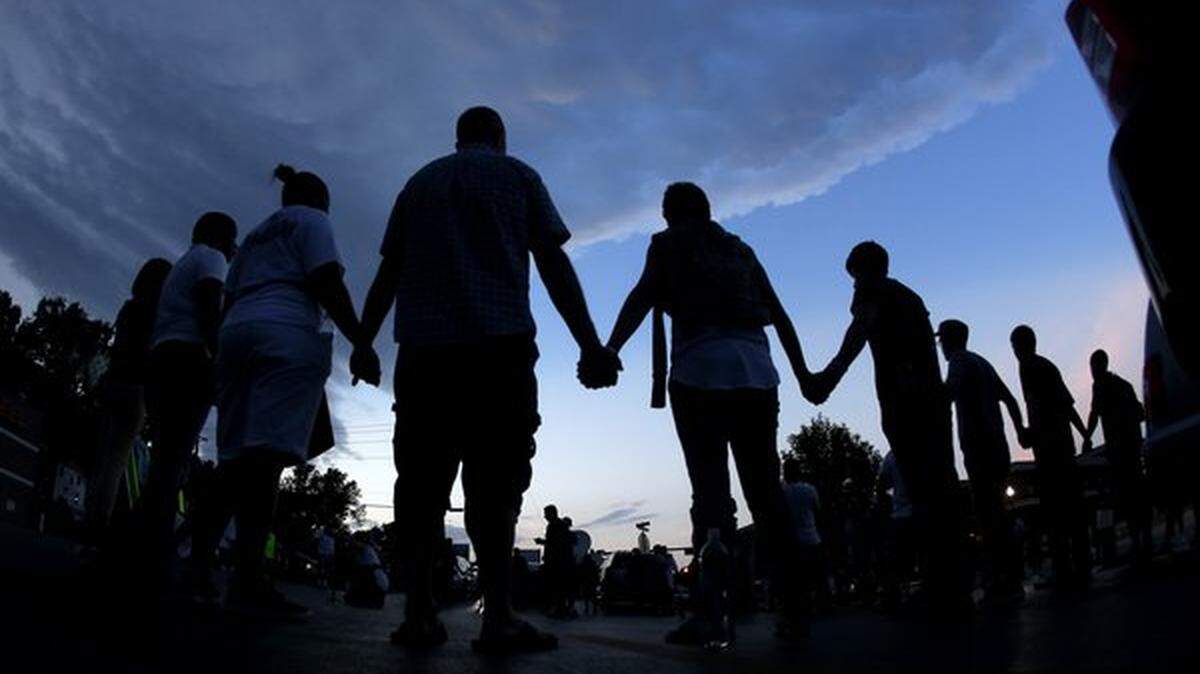
If we do so seriously, as a family, community and nation, we will embrace interdependence, inclusion and peaceful protest as vital to creating and preserving our treasured democracy.
Peter A. Gorski, M.D., is professor of Pediatrics and Humanities, Health & Society at Florida International University’s Herbert Wertheim College of Medicine.