Whom you’re married to should not determine eligibility for COVID-19 aid | Opinion
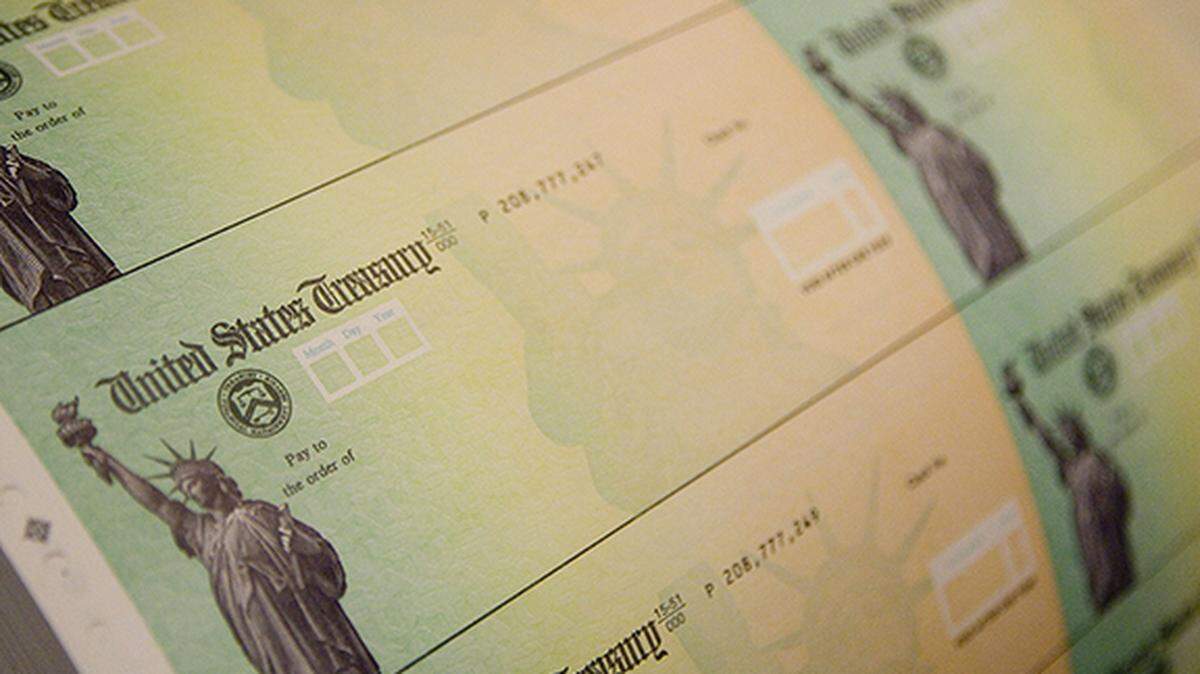
When Congress passed, and President Trump signed into law, coronavirus assistance legislation in March, it included a provision to provide direct payment to folks below certain income levels. But some who otherwise were qualified did not receive those checks — not because they’ve done anything wrong, but because of to whom they’re married.
Ramon, who does not what his last name revealed, lives in Miami with his wife. Both are in their 60s. He is a U.S. citizen. His wife of more than 20 years, an undocumented immigrant from Honduras, does not have a Social Security number.
He owns a business, contributes to the economy, pays his taxes. But, even though he is a U.S. citizen, his wife’s immigration status, kept him from getting a check under the direct-payment provision of the Coronavirus Aid, Relief, and Economic Security (CARES) Act.
Such discrimination is contrary to our nation’s values and principles, and we applaud Florida’s Sen. Marco Rubio and Rep. Mario Diaz-Balart for introducing companion bills that would undo the injustice.
To qualify for economic-impact payments under the $2 trillion CARES Act, recipients need a Social Security number. For married couples who filed joint tax returns, both spouses must have Social Security numbers to be eligible for the payments (there is an exception for members of the military).
According to the Migration Policy Institute, an estimated total 5.5 million people, 1.7 million spouses and 3.7 million children, who are U.S. citizens or green-card holders, have been left out of the program. In Florida, we have an estimated 228,000 residents who are in this population..
Whether this was an oversight, a drafting error or done with intent, the provision is unfair.
Lawsuits have been filed challenging the requirement for a Social Security number, but a legislative fix to a legislative problem would be the most effective solution.
Rubio’s American Citizen Coronavirus Relief Act, cosponsored by Sen. Thom Tillis of North Carolina, would:
- Retroactively modify the CARES Act requirement that both spouses have a Social Security number for at least one of them to be eligible for assistance.
- Continue the requirement for eligible recipients of Economic Impact Payments to have a Social Security number, allowing citizens and legal permanent residents who file joint tax returns with an inlegible spouse to still receive the same benefit as any other eligible single tax filer.
- Maintain requirements that currently bar undocumented immigrants from eligibility.
Penalizing a citizen or legal permanent resident by withholding a government benefit based on whom they marry is a violation of the bedrock American principle of equality under the law.
“No American should be denied a federal stimulus check because they are married to a foreign national who is not a U.S. citizen,” Rubio said in a written statement when he introduced the bill. “Amid a global pandemic, we must ensure Americans are receiving the funds appropriated by the federal government to keep families afloat during this national crisis.”
We urge lawmakers from both sides of the aisle to join with Sen. Rubio and Rep. Diaz Balart and move quickly to right this wrong.
Cesar Grajales is Florida coalitions director of The LIBRE Initiative-Florida. Skylar Zander is state director of Americans for Prosperity-Florida.