
Believe it or not, policing is getting better, but there’s a long way to go | opinion
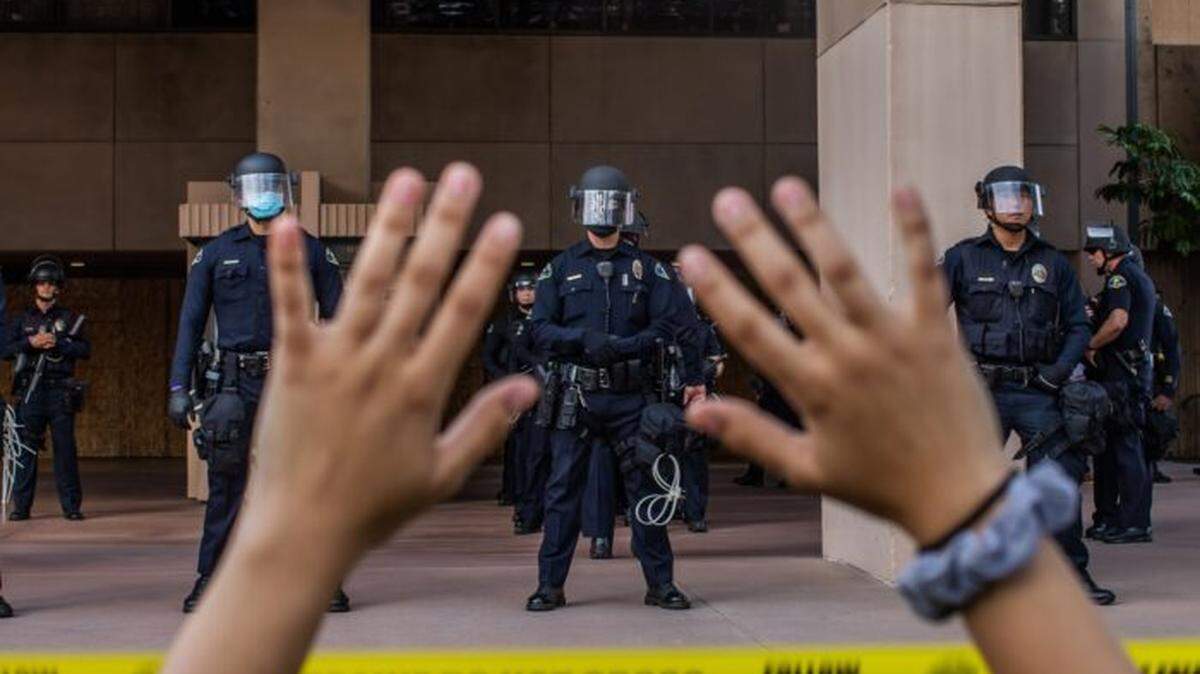
The searing video of George Floyd, gasping for his last breath under the knee of a Minneapolis police officer, followed by the fatal shooting of Rayshard Brooks as he fled Atlanta police, have led many people to question whether anything has changed in American policing. In the almost six years since Michael Brown was shot and killed in Ferguson, Missouri, is anything different?
The answer is, Yes. A lot has changed — although much more needs to be done.
First, a few of the important changes that have taken root:
A sense of urgency. In the past, police chiefs often waited for a formal, often lengthy, investigation to conclude before addressing a questionable use-of-force incident. Today, chiefs understand that time makes a difference, and it’s important to take action.
In Ferguson, the police department waited several days before even identifying the officer who shot Michael Brown. Now, chiefs are much more timely and transparent in releasing officers’ names, sharing body-worn camera and other video footage, and providing details of the incident. Chiefs realize that if they wait too long, community trust will erode.
Culture. Culture matters in policing, and in recent years, many police chiefs have begun to reshape the culture of their departments. Agencies have adopted the sanctity of human life as a core value, reinforcing the idea that police should work to ensure that everyone — victims, witnesses, officers and suspects — can “go home safely.”
Agencies are requiring officers to render first aid to someone who has been shot or otherwise injured by the police. And they are giving awards to officers who de-escalate situations without having to use force. These are among the Guiding Principles on Use of Force that the Police Executive Research Forum (PERF) published in 2016.
Training. Many departments have re-engineered their use-of-force training. Beyond firearms proficiency, agencies are emphasizing communications skills, decision making, how to recognize a person in crisis, and better and safer tactics. These concepts are being reinforced through realistic scenario-based training exercises.
These and other reforms are now part of the DNA of progressive policing in the United States. So what else is needed to make a difference? Four key things:
Intervene with officers engaged in excessive force. Officers must be required to intervene with fellow cops who are engaged (or about to engage) in excessive force or other misconduct, something that did not happen in Minneapolis. This issue has deep roots in American policing. Nearly 30 years ago, Rodney King was beaten repeatedly by Los Angeles police officers in an incident that also was captured on video. Although a supervisor, Sergeant Stacey Koon, was on scene, he stood by and watched. That sent a signal to the other officers on the scene that they didn’t need to intervene either.
In Minneapolis, the most senior officer on scene, 18-year veteran Derek Chauvin, was the one driving his knee into Floyd’s neck for nearly nine minutes. Although one of the other three officers, a rookie, reportedly questioned Chauvin about the tactic, none of them pulled him away. Getting officers of all ranks to intervene in cases like these would go a long way toward preventing police abuse.
Identify problem officers. Early-warning systems are designed to point out officers who are beginning to display a pattern of unprofessional or unethical behavior. The idea is to get them into training or other remediation programs early on — or terminate them if they won’t change. Chauvin had at least 17 complaints filed against him, only one of which resulted in disciplinary action.
Early-warning systems have been experimented with for years. There needs to be a commitment to get them right and adopt them widely.
Even more training, especially in smaller jurisdictions. While the nation is focused right now on Minneapolis, Atlanta and other big cities, the reality is that police use of force has declined in large cities in recent years. According to the Mapping Police Violence database, police departments in America’s 30 largest cities killed 30 percent fewer people in 2019 than in 2013. This was offset by increases in suburban and rural areas.
Large-city agencies often have the resources for training, as well as technology and other improvements that are beyond the reach of their smaller counterparts. That’s part of the reason why agencies such as the Metropolitan Police Department of Washington, D.C., and the New York City Police Department have seen substantial reductions in fatal officer-involved shootings in recent years. They have invested in the training, policies and accountability systems that make a difference. Reducing police use of force requires a national commitment to training and other reforms that reach agencies of all sizes and in all parts of the country.
Hold rogue officers accountable. Some people just shouldn’t be police officers. But in too many places, police chiefs face enormous hurdles in removing them — and then preventing cops who have been fired from getting their jobs back. Although the four officers involved in the George Floyd incident were quickly terminated, that is often the exception rather than the norm.
The Miami Police Department is a good example of how these reforms can work. In 2003, John Timoney took over as police chief following a series of questionable police shootings. He identified officers who had track records of using significant force and removed them from the street. The department went 24 months without an officer-involved shooting. When Timoney left Miami, many of those officers were put back on the street, and police shootings went up again.
Timoney did something else that is critically important to police reform: He focused on developing the department’s leaders of tomorrow. Timoney sent his entire command staff to PERF’s Senior Management Institute for Police, a three-week leadership development program that challenges students to think differently about complex problems. And he personally mentored many of those future leaders, including current Chief Jorge Colina, who has embraced reforms such as the sanctity of life and the duty to intervene.
The deaths of George Floyd and Rayshard Brooks represent a defining moment for American policing. While we have made some progress since Ferguson in reforming police culture, policy and training, there is still much work to be done. The time to double-down is now.
Chuck Wexler is executive director of the Police Executive Research Forum.