
In the push for equality in America, remember: Voting is our superpower | Opinion
In the wake of the senseless killing of George Floyd, peaceful protesters around this country, and around the world, have reminded us that significant change depends on the personal involvement of citizens demanding it. For the two of us, the current protests harken back to the 1960s, when we were college students, young and full of righteous indignation at problems we saw plaguing our country. These issues, centering on civil rights and equal justice for all, led us to lives in the law, and they continue to be as important today as they were then.
Although our legal careers took different paths, by 1998 we each had been appointed to the Supreme Court of Florida. We retired in January 2019, after serving more than two decades and participating in many important decisions, from Bush v. Gore in 2000 to redistricting litigation in the 2010s implementing the Fair Districts state constitutional amendment. Bush v. Gore, in particular, taught us how important it is to protect the right of all citizens to vote and to have their votes counted.
Now, as private citizens, we are asking how we can help promote equality for everyone. Some of the issues facing our state and our country today, including those involving the ability of each eligible citizen to cast a vote without unnecessary impediments, are the same issues we encountered in the 1960s. From the protests of that era, we saw landmark civil-rights and voting-rights legislation passed. That historic action depended on elected officials being responsive to the needs of all citizens and not just to various segments of the population.
Today, the key to positive change remains having representatives in all levels of government who will listen to and act on the concerns expressed by peaceful protesters and other citizens, no matter their race or ethnicity, who believe that Black Lives Matter. This movement does not mean that only black lives matter, but recognizes the inequality that exists for people of color, from economic and educational disparities to criminal-justice disparities and mass incarceration. As one protester’s sign said: “All Lives Don’t Matter Until Black Lives Matter.”
While the messages conveyed by these peaceful protests are important, we also echo the words of George Floyd’s younger brother, who emphasized that each of us must “stop thinking our voice doesn’t matter.” He urged everyone not only to protest peacefully, but also to vote at all levels, local to national.
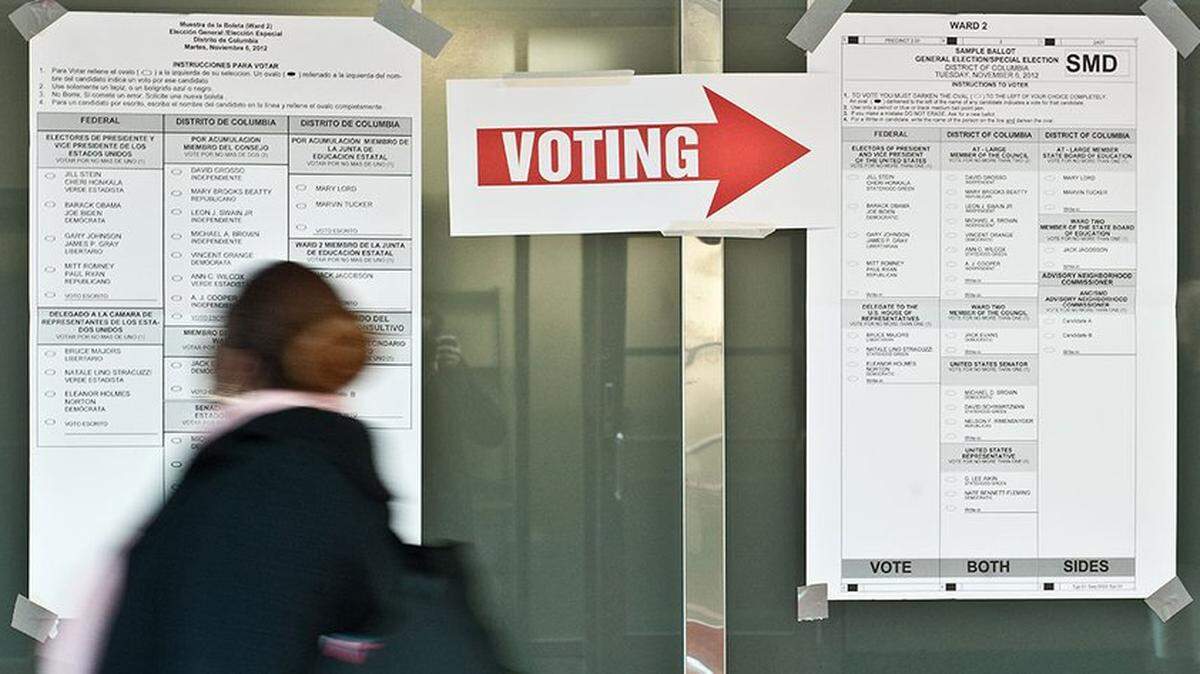
In this spirit, we must make sure that every person who is eligible to vote is registered and that needless impediments to freely exercising that right are removed. All of us know people who believe that their vote will not make a difference. But we need only point to Bush v. Gore here in Florida, or to the more recent 2018 gubernatorial elections in Georgia involving Stacey Abrams, to show that elections are often decided by very small margins. In fact, of the 5.9 million Floridians who cast a ballot for George W. Bush or Al Gore in 2000, just 537 individual votes decided the presidency and the leader of our country for the next eight years.
Registering is just the start. Once registered, we all must actually vote! In many elections, less than 60 percent of eligible voters cast a ballot, and of those who do, many do not vote for every race and issue presented. We must remember the saying that, “All politics is local,” and make sure to vote on each item. Moreover, we must educate ourselves about candidates and the issues.
Although voting is as important as ever, the 2020 election presents new challenges never before present, in the form of the coronavirus and the heightened need to ensure public safety. Recently, we saw long lines and unconscionable wait times in both Wisconsin and Georgia, demonstrating that voting in the time of this pandemic will be a challenge.
But we can take steps now to minimize the virus’ impact on the exercise of this fundamental right, including encouraging citizens to vote by mail, ensuring that each person knows how to request a vote-by-mail ballot and expanding the number of early-voting days and early-voting sites. We must remove all non-legitimate hurdles to voting.
The outcome of this presidential election and state, and local contests will depend on each of us. If you do not believe your vote matters, remember Bush v. Gore.
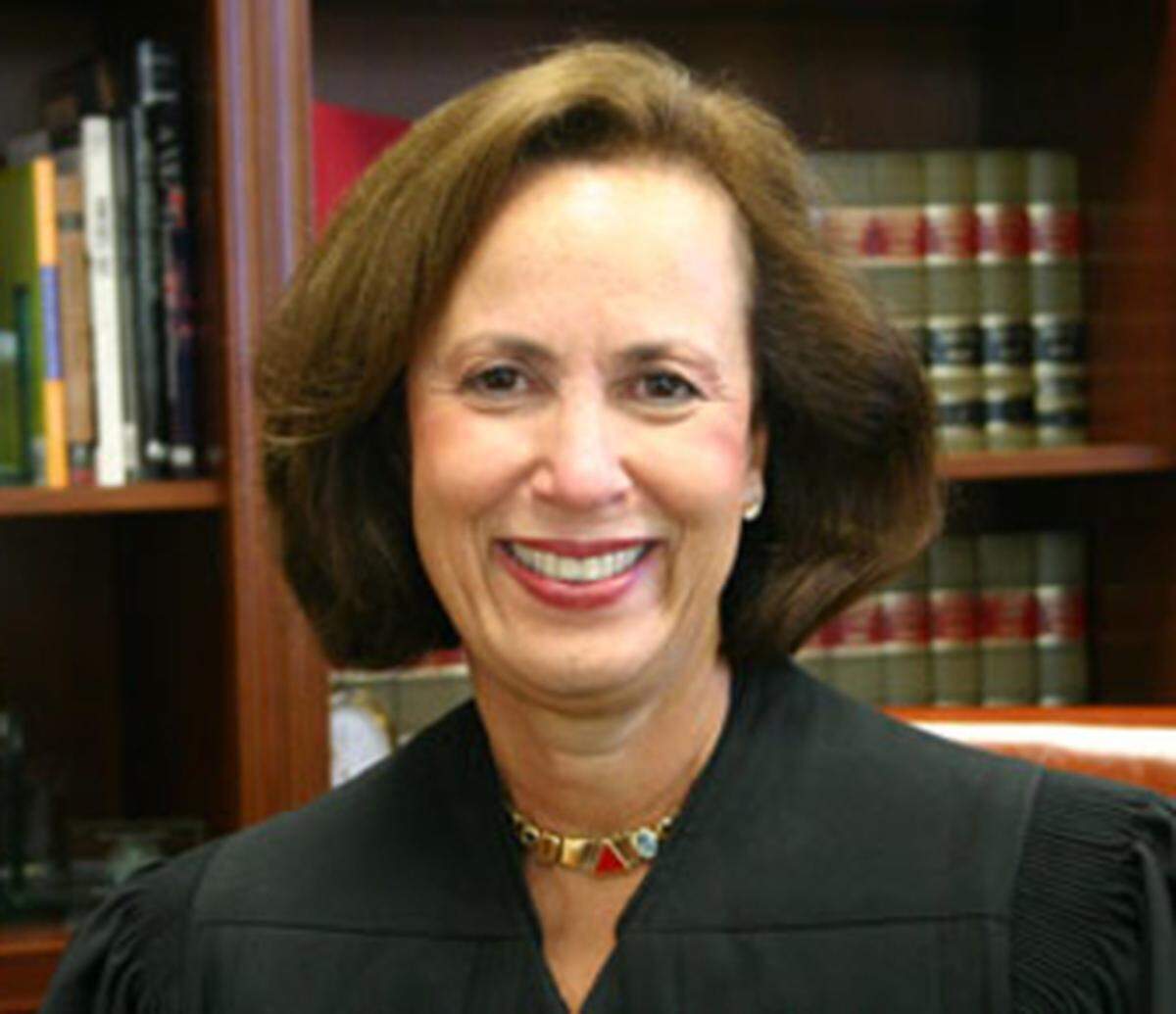
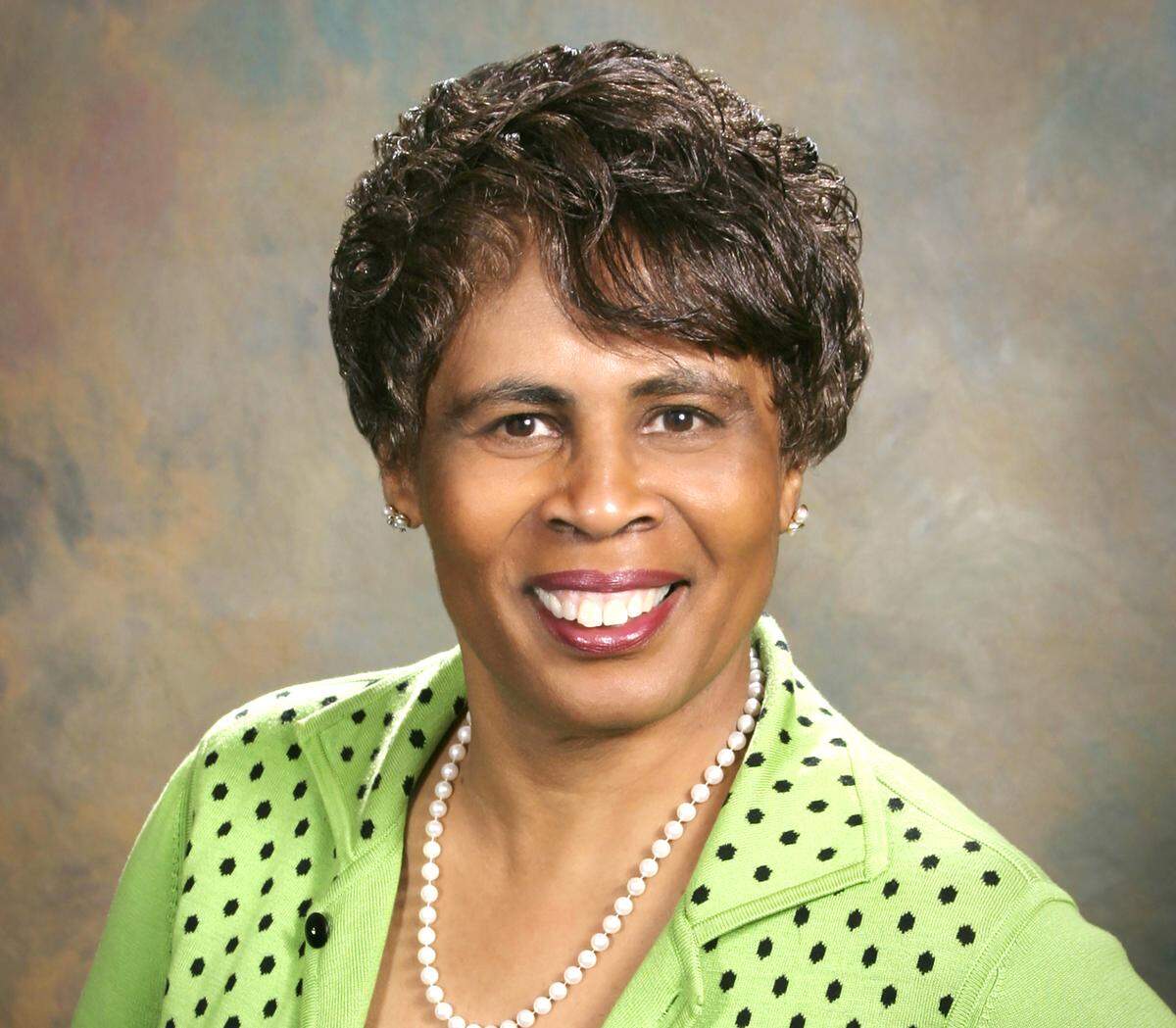
Barbara J. Pariente was the 77th justice and the second woman to serve on the Florida Supreme Court. She served as Chief Justice from 2004-2006. Peggy A. Quince was the 79 justice, and the first African-American woman to serve on the Florida Supreme Court. She served as Chief Justice from 2008-2010.
This story was originally published June 24, 2020 at 2:51 PM.