
Good news! You can be a mask skeptic and still wear one to prevent COVID-19 spread | Opinion
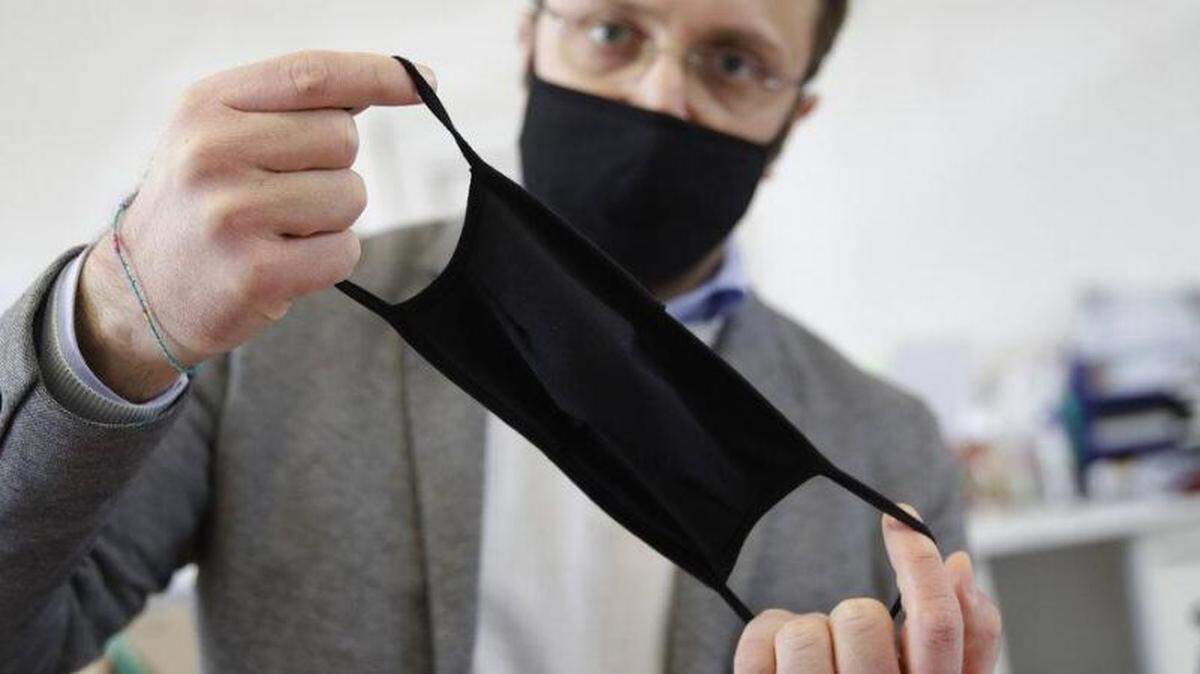
When it comes to wearing masks, public health officials, politicians and even some members of the media have gone out of their way to undermine their credibility. The nation’s top health experts eschewed public use of masks for weeks — for mostly political reasons — until they changed their minds.
Political leaders have made a habit out of shaming and scolding constituents who dare to stroll quietly and unmasked on beaches or in parks. But they’ve praised and even encouraged throngs of protesters, however justified, packing streets, many not distancing or wearing masks.
And more than a handful of journalists have blatantly failed to follow the same public health guidelines — distancing, wearing a mask and quarantining — that they frequently mock the public for violating.
Politics aside, several early studies, including the only clinical research that measured the utility of masks in hospital settings, suggest their benefit is marginal at best.
So, if you’re a mask skeptic, no one should blame you. Or shame you. Masks are not a symbol of virtue.
But the pandemic is far from over. And as we learn more about how to fight it, we’re all going to have to be flexible and humble. And that probably means wearing a mask in public for at least the near future. At least 21 states are now seeing a sustained increase in COVID-19 cases.
That’s not unexpected. A rise in cases was inevitable as states reopened and human behaviors normalized. Since reliable antiviral medications are still undergoing trials, a vaccine is yet a distant possibility and a second shutdown should be out of the question, we need targeted policies based on the best information available. That means looking at what mitigation measures have been most effective.
To that end, several new studies show an apparent decline in transmission, sometimes dramatically, in places where mask policies are mandatory or mask wearing is near universal. What’s different about these studies is that they aren’t models or projections, but a look at how masks may have been part of the solution to slowing transmission.
A (yet-to-be peer-reviewed) study published last week on the effects of mask-wearing mandates in 15 states and Washington, D.C., estimates that some 230,000-450,000 cases were possibly averted by May 22. Another study led by a scientist from Texas A&M examined trends and mitigation procedures in China, Italy and New York City. It estimated that face coverings reduced infections by more than 78,000 in Italy from April 6-May 9 and by more than 66,000 in New York City from April 17-May 9.
The researchers postulate that masks not only reduce the likelihood of an infected person spreading the virus but also the chance of an uninfected person contracting the virus. That last part may be aspirational — masks are generally found to be a means for reducing spread, not preventing infection. But however it happens, the finding that masks probably decrease transmission should make the chore of donning a face covering a little less onerous.
To be sure, no study worth its salt claims that face coverings are effective unless used properly (easier said than done) and practiced in concert with other mitigation measures. Masks are a tool, not a strategy. And they are far from foolproof.
But if a critical mass of people are avoiding crowds of strangers, social distancing and wearing masks, there’s a good chance that fewer people get sick. And there’s a good chance life gets close to normal much faster.
At this point, we should be willing to give masks a college try. Because you can be a mask skeptic and still wear one. And it isn’t too late to start.
Cynthia M. Allen is a columnist for the Fort Worth Star-Telegram.
(c) 2020 Fort Worth Star-Telegram