
Make Downtown Miami safer for the homeless, and the residents who feed them | Opinion
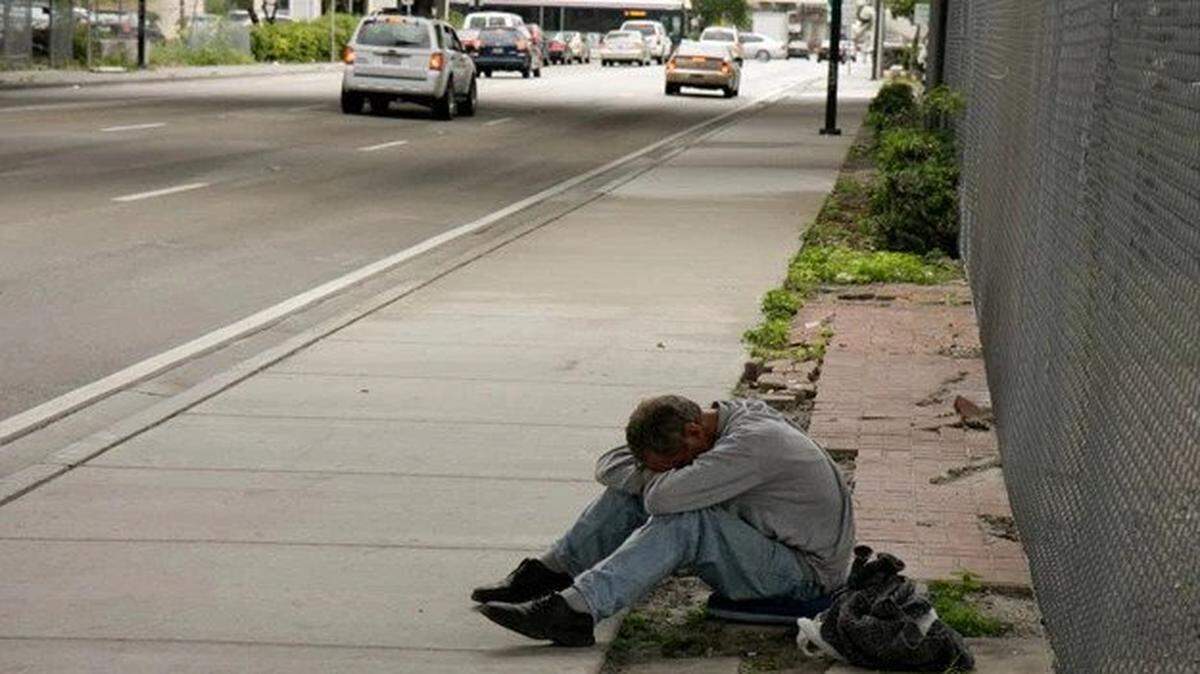
As widespread unemployment caused by the coronavirus pandemic takes a toll on our economy, the rate of homelessness in the United States may grow by as much as 45 percent in the coming year, according to an analysis by a Columbia University economist. This is particularly concerning for areas in and around Downtown Miami, where the majority of Miami-Dade County’s homeless population congregates.
Balancing the needs of downtown’s homeless population with those of residents, business owners and visitors is challenging, particularly when resources at homeless shelters are already stretched thin. But we must continue to implement humane solutions that meet the needs of the community’s most vulnerable members.
At the May 28 city of Miami Commission meeting, an ordinance I sponsored to regulate large street feeding events won the support of fellow commissioners on first reading. While public feedings by community organizations and other members of the public are a much-needed and appreciated way to help the homeless, they can also produce harmful side effects, including garbage left on the streets, little attention paid to social distancing measures and volunteers exposed to the potential spread of COVID-19. The item was endorsed by the Miami Downtown Development Authority (DDA) and advocacy groups such as Hermanos de la Calle, Camillus House and the Homeless Trust.
If approved on second reading on June 25, the proposed ordinance would regulate large feedings of 25 people or more by providing groups with a designated location to distribute meals. In turn, the city will ensure each feeding site is equipped with trash receptacles and hand-washing stations. Staff people will be on hand to ensure both the homeless and the volunteers organizing the feedings are prioritizing hygiene when handling food, wearing proper protective gear and observing social-distancing guidelines. This new system will allow us to provide the homeless with additional resources, including medical and mental-health services.
This is one example of how Miami is taking a humane approach to meeting our homeless population’s most basic needs while implementing measures to improve street-level conditions.
The city has also partnered with the DDA and Camillus House to expand the PitStop public-restroom program, which has been a welcome resource for homeless residents and visitors during the past few years. Four new restroom locations, with handwashing stations, will open in the coming months, staffed and cleaned throughout the day by the DDA’s Downtown Enhancement Team, which is made up of formerly homeless individuals who are now employed.
Programs such as PitStop and the new large-group feeding ordinance address the needs of the homeless while also keeping downtown’s streets clean and safe, all with an eye toward economic growth and improved quality of life for our residents, businesspeople and visitors.
Manolo Reyes represents District 4 on the Miami City Commission.
This story was originally published June 16, 2020 at 4:44 PM.