
As restaurants reopen, let’s ditch the use of single-use plastics. They pollute our environment | Opinion
Restaurants in Miami are slowly reopening. Single-use plastics are responsible for making this economic recovery possible. Disposable utensils, condiment packets, gloves and masks now find their place at the table.
Though aspects of reopening speak to a new normal, there is much here that repeats old, unsustainable ways of life. Since the 1950s, the global production of plastics has increased from 2 million metric tons to 380 million metric tons — a compound annual growth rate of 8.4 percent. This dramatic rise has triggered a waste crisis. Recycling plastics cannot keep pace, and the fate of most plastics is the incinerator or landfill.
When not recycled, burned, or buried, plastics end up in the natural environment where they have deleterious effects. Synthetic polymers do not biodegrade. They “photodegrade,” which means that when exposed to light, the bonds of plastics break down into microplastics. When not interred in landfills, mismanaged, disposable plastics litter our beaches and waterways.
The fluidity of the boundaries between land and sea are obvious to those of us living in a coastal city already experiencing the effects of climate change and rising sea levels. Come the next rainstorm, king tide or hurricane, the plastic fork that a busboy neglects on Ocean Drive will likely become plastic flotsam in the ocean. As marine debris, it may converge with the North Atlantic Garbage Patch, one of three accumulating in the planet’s oceans. At the beach or on the sea’s surface, areas known as photic zones, these plastic artifacts will decompose at an accelerated rate. Perhaps, not before they are swallowed by an unsuspecting fish or sea turtle.
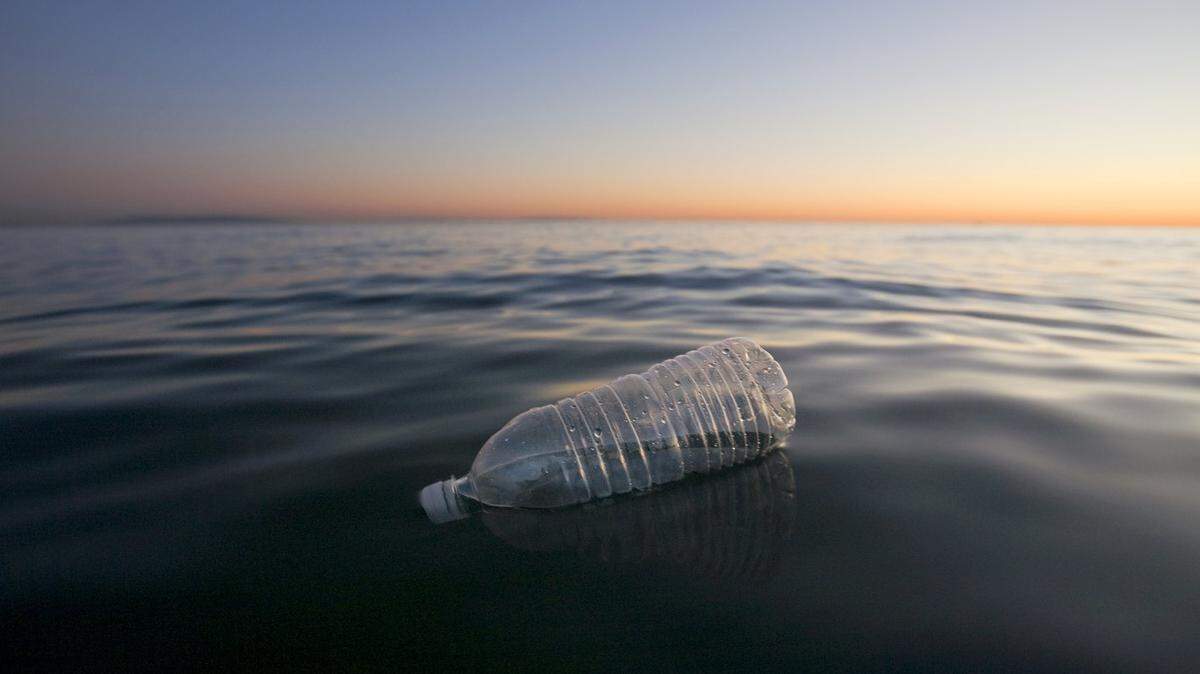
Of course, not all disposable plastics find their way into the ocean. On March 6, our transdisciplinary research team from the University of Miami tossed a plastic bottle into the Tamiami Canal where it joins with the Miami River. We christened this bottle the “Minion,” named for the one-eyed tracker placed inside. The Minion was going to do our dirty work by traveling down the Miami River and pinging its location daily via satellite tracking. This information would offer some insight into the path that single-use plastics take in our waterways.
As we placed the bottle into the canal, a manatee swam by. Big air bubbles marked its path. Perhaps, we were witnessing a fortuitous sign. Or, an omen. Less than a week later, Miami went into lockdown.
What lessons have we learned from the Minion over the course of two months? We had presumed the plastic bottle would find its way to the ocean. It did not. The Minion meandered down the river. We were able track its whereabouts until May 5 when transmissions ceased. The final location points placed the Minion in the vicinity of the Dolphin Expressway overpass that crosses the Miami River.
Granted, data from one plastic bottle do not make for conclusive information about plastic pollution in Miami’s canals and rivers. Yet, the Minion’s slow pace does suggest targeted interventions before plastic waste enters waterways and organized cleanups once it does may mitigate its impact on our local ecosystem.
Other scientists’ studies confirm our fears about the toxic effects of single-use plastics on rivers and oceans. In aquatic zones, plastic waste induces disease and causes the death of coral, fish, and marine animals. Data also suggest the plasticization of these ecosystems portends negative health consequences for humans’ food webs. As these plastics break down, smaller aquatic organisms often mistake them for food and ingest or absorb them. As marine life eat these organisms, plastics may begin to concentrate within their biology. Local harvesting and consumption of these fish potentially reintroduce microplastics into human diets.
One solution to this problem is to stop using certain single-use plastics altogether. As restaurants re-open, patrons can opt to bring their own sets of utensils and reusable containers in lieu of using disposable plastic straws, cutlery and take-out boxes. Such efforts will also help save local restaurants money by reducing their need to purchase single-use goods. We can also seek out machine washable masks rather than disposable ones that have plastic ear straps. At the grocery store, we can opt for paper instead of plastic until recommendations are lifted on the use of personal bags.
These actions, which aim to protect the health of the environment, are comparable to the precautions that citizens are taking to safeguard public health. There are other similarities. Like the coronavirus pandemic, global plasticization is a slow-rolling crisis. The overuse and improper disposal of plastics lack a clear beginning and end. It demonstrates how proactive political leadership and legislative policies can ameliorate negative consequences. It confirms how socio-economic differences inform communities’ experiences. It will engender a public-health crisis with unforeseen and disruptive outcomes if individuals and corporations do not adequately and immediately address our addiction to single-use plastics.
It all underscores our interconnectivity, and, in so doing, requires us to cultivate compassion for this damaged planet and all who inhabit it.
The Plastics Collective is a collaborative effort between the following University of Miami faculty: Pamela Geller (Public Voices Fellow with The OpEd Project), Sanjeev Chatterjee, Victoria Coverstone, Neil Hammerschlag, Chris Parmeter, Jessica Rosenberg, James Sobczak and James Wilson.
This story was originally published June 11, 2020 at 7:21 PM.