
Using coronavirus crisis, President Bukele is a threat to democracy in El Salvador | Opinion
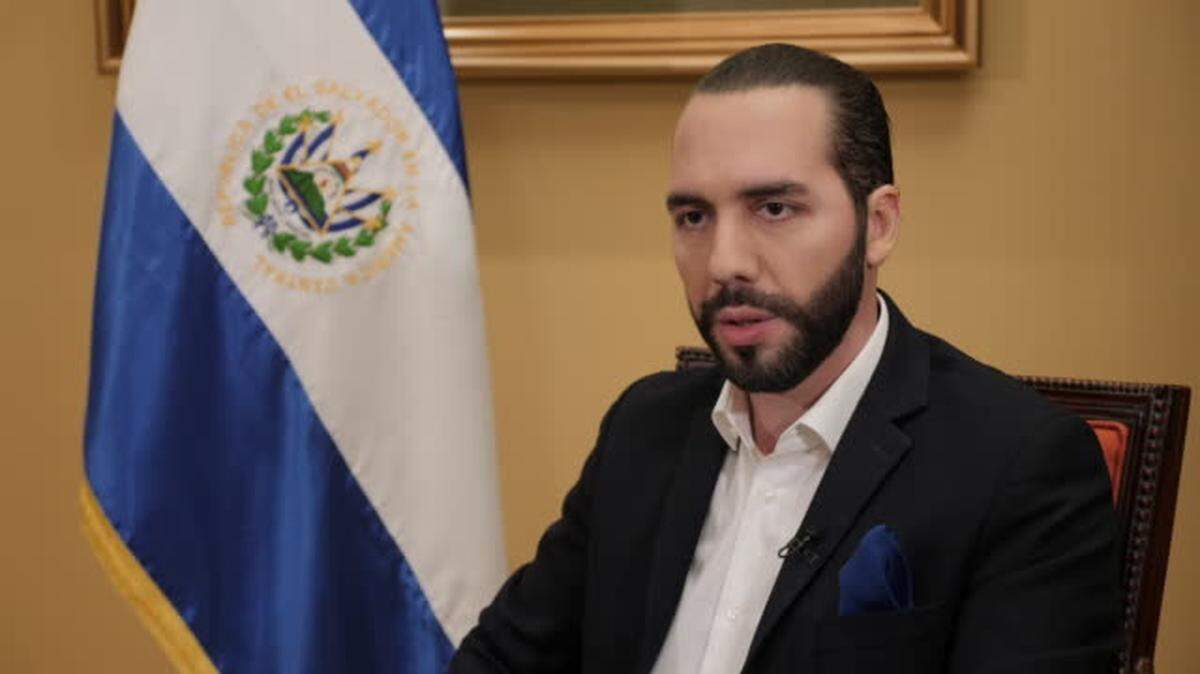
El Salvador’s President Nayib Bukele rode a successful wave of anti-establishment votes to the country’s presidential election in February 2019. During his term as mayor of San Salvador, he received mixed reviews, mainly because of policies that lacked a clear direction and had mixed results following security innovations he initiated.
While his first cabinet appointments were mostly strong women, a clear and welcome departure from Salvadoran political culture, he quickly began to rely on a small cadre of informal advisers for the most crucial decisions.
Similarly, faced with the COVID-19 pandemic, he was one of the first Latin American leaders to boldly and decisively initiate closing borders and directing strict lockdowns. Violators faced arrest, and Salvadorans returning home from abroad faced being placed in strict quarantine centers run by the police and the military.
However, the strong, unilateral actions immediately attracted the attention of the Salvadoran Constitutional Chamber, which issued several rulings, reasonably concluding that Salvadorans could not be arrested for violating the presidential orders and law enforcement needed to follow process to avoid trampling on human rights.
Bukele tweeted that he could not follow orders that would allow Salvadorans to die, setting off a constitutional confrontation. This presidential posture is extraordinary and should raise the alarm not only in El Salvador, but also in the international community. After all, in modern constitutional democracies, and even in today’s pandemic world, presidential powers are not unlimited.
Since early this year, Bukele has engaged in actions that challenge and undermine the co-equal legislative and judicial branches of government. In February, he made a spectacle of arriving with armed military at the legislature as the need for international loans was questioned by legislators. Although he backed down, and did not shut down the legislature, it would not be his last attempt.
On April 23, he succeeded in shutting down the legislative body, this time using a single tweet. Without scientific evidence, he declared the presence of COVID-19 on the legislative floor. That day, there was an agenda item before the legislature to override presidential vetoes, curtailing his executive powers. Bukele’s attempts to breach democratic norms is a worrisome trend, concentrating executive power and a clear violation of the Organization of American States’ Inter-American Democratic Charter, whose principal purpose is to strengthen and uphold democratic institutions in the Americas.
Granted, COVID-19 is placing significant burdens on all governments. In the absence of a vaccine or effective treatment, governments have limited and imperfect public-policy tools at their disposal to keep citizens healthy. One of the most effective measures so far, has been the stay-at-home measures imposed by government authorities. This approach, however, must balance the protection of health with that human rights and civil liberties.
Bukele, a savvy operator in this digital era of populist binary choices, is trying to convey the message that the only choices in this pandemic is between unquestioned loyalty to him or the deaths of Salvadorans.
But reality is more nuanced. Already, the European Union has expressed concerns that El Salvador is using the pandemic to justify human-rights abuses. Similarly, U.S. Sen. Patrick Leahy and Rep. Eliot Engel have called on Bukele to respect El Salvador’s Supreme Court rulings. In less than a year in office, this popular president has placed himself above the law. In the process, he has managed to tread on two hard-earned Salvadoran achievements: democracy and the delicate peace accords that concluded the bloody Salvadoran civil war less than three decades ago.
From the Salvadoran democracy, there is a “May Day” call.
Mari Carmen Aponte is a former U.S. ambassador to El Salvador.