
Miami’s a safer place because residents are committed to helping police fight violence | Opinion
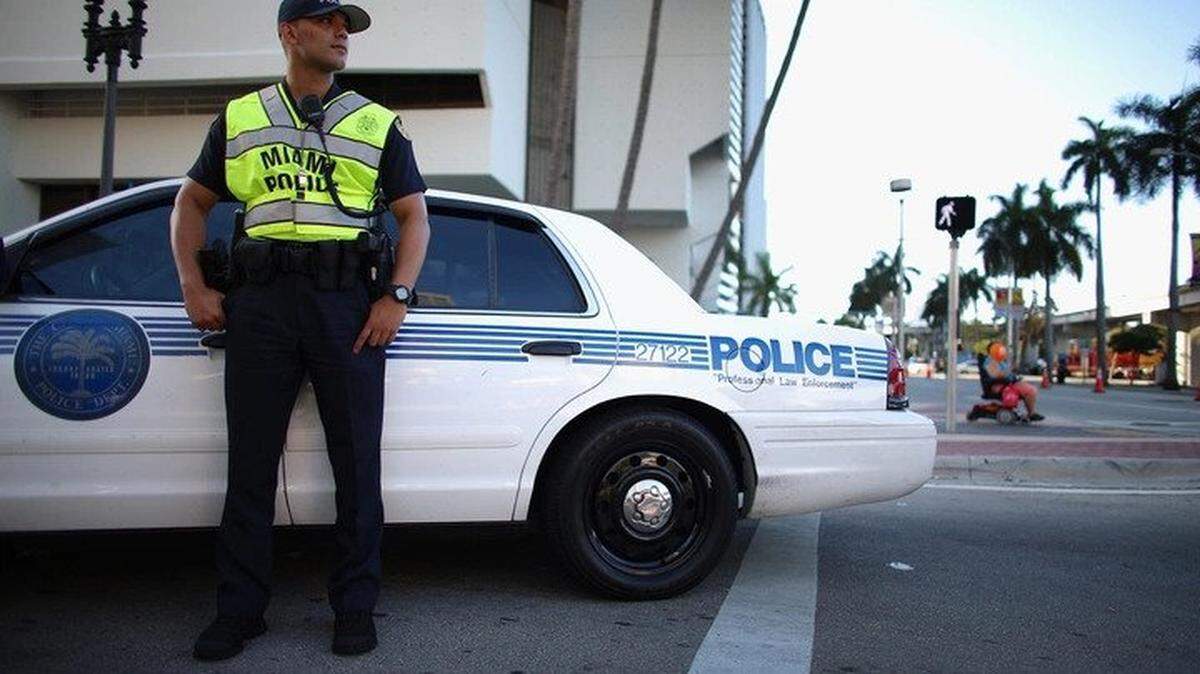
As we work to free ourselves from the grip of the COVID-19 pandemic, the Miami community has my sincerest gratitude for its extraordinary commitment to public safety against the backdrop of this global crisis. Even as many businesses have closed their doors and thousands of residents have lost their jobs, Miamians remain committed to keeping one another safe.
There were no murders in the city of Miami from Feb. 17 until April 12. This was the longest our city had gone without a homicide since 1957, when Miami’s population was 60 percent smaller. The total number of homicides this year to date in Miami is also lower compared to 2018 and 2019, both of which were already historically low years for murders and other violent crime.
Not all large cities across the country are experiencing similar declines in violence amid the pandemic, and some are even seeing increases in homicides and shootings. While the variables influencing crime rates are complex, and it is impossible to point to a definitive cause for the consistent decline in violence we have seen in our community over the past two years, I think our success has been largely because of three key factors: innovations in our workforce; enhanced cooperation with strategic partners; and increased engagement between the Miami Police Department and the public it serves.
Since 2018, MPD has made major investments in technology and personnel to improve the efficiency with which it addresses crime. We used public-private partnerships to expand Real Time Crime Center resources into neighborhoods that want enhanced coverage while minimizing impacts to local taxpayers. Our new Crime Gun Intelligence Center has reduced our turnaround time to link shooting incidents from several months to under 48 hours, revolutionizing our ability to rapidly investigate gun crime. We have used federal grant funding to modernize our Crime Analysis Unit and focus on a data-driven approach to crime.
We have pivoted from a police culture that encouraged indiscriminate arrests to one which is laser-focused on the relatively small number of people who cause real harm to our community. To that end, we increased the number of Problem-Solving Team officers in higher-crime areas and expanded our Gang Unit to work seven days a week. We have also implemented a civil-citation program to give individuals who have committed minor offenses a pathway to accountability outside of the traditional criminal-justice system. This has freed up internal resources to focus on violent crime.
None of these new initiatives would succeed, however, if we did not have highly committed, responsible and professional officers making up our ranks. To illustrate that commitment, sick callouts in our patrol force have actually decreased since the beginning of the pandemic crisis. I am humbled by the continued courage our officers show in the face of this unprecedented threat.
The energy in our workforce is reflected in the enthusiasm with which new recruits are drawn to MPD. While the department was in a staffing crisis just a few years ago, staffing levels today are at historic highs. Many major city police departments struggle to get people to fill vacant police positions while we consistently reach target application numbers within hours of opening our recruitment drives.
We have also aligned crime-reduction efforts with strategic partners in the law-enforcement and justice communities to achieve shared goals. We work with neighboring jurisdictions to coordinate new initiatives and ensure that we do not develop intelligence silos. We have redoubled our engagement with prosecutors in both the Miami-Dade State Attorney’s Office and the U.S. Attorney’s Office to present cases at trial and bring about the most just outcome possible for victims of crime. Thanks to the collaborative opportunities created by initiatives like the National Public Safety Partnership and Project Safe Neighborhoods, MDP’s relationship with federal partners has never been stronger. We have particularly benefited from our collaboration with the ATF, which has loaned us ballistics experts and given our personnel advanced training in tracking gun-crime cases.
Most of all, however, I believe the consistent decline we have seen in violent crime over the past two years has been because of our community’s commitment to safety. At some point, residents decided that they did not want to live in neighborhoods plagued by violent crime. Rather than move away, they made the radical choice to make those neighborhoods safer. They chose to communicate their safety needs to their police department and to hold that department accountable for meeting those needs. They chose to stop wringing their hands in frustration and start ringing their local commander’s ears with concerns. Most important, they chose to stop accepting violence as a given in their community. It seems like they made the right choice.
Our residents and businesses may be keeping their doors closed, but their eyes are open. As the Miami Police Department’s chief of police, I am deeply grateful for the community’s continued vigilance and commitment to public safety, especially as we navigate through these trying times. By continuing to work together, I am convinced that we can make Miami the safest city in America.
Jorge Colina is chief of police of the city of Miami Police Department.