
Plant a tree. Dig in the soil. Support the Earth that supports us | Opinion
Ten years ago, I left the healthcare sector to focus on public health from a grassroots level. I was disgruntled with the healthcare system and its inability to focus on the right thing — mainly, the patient. I decided to get back to my roots, both professionally and literally.
I refocused my efforts on analyzing population health statistics and getting back in touch with the soil.
Then I was given a copy of “The Granite Garden” by Anne Whiston Spirn and began to see that possibilities can become a reality given the right intention, knowledge and accountability.
Zoom ahead, and the foundation continues to develop, adapt and evolve, yet the philosophy remains the same: Protect the environment, protect your health, protect your community. Of course, part of taking care of oneself is taking care of the environment, especially when packed into urban centers. If you take care of your physical and mental health, then you are taking care of your community. It all comes down to one’s personal and social responsibility.
What is that, exactly? Personal and social responsibility means how and what we, as individuals and a community, do to ensure that the well-being of all members of the community are guaranteed. It’s about how we examine all of our actions and activities to see if they are promoting the common good. (Health Impact Assessments — HIAs — should be utilized with more urgency by local governments and businesses.)
The first question to ask when assessing one’s impact should be: Is the health and well-being of the entire community being pursued and not just that of a small, entitled segment of the community?
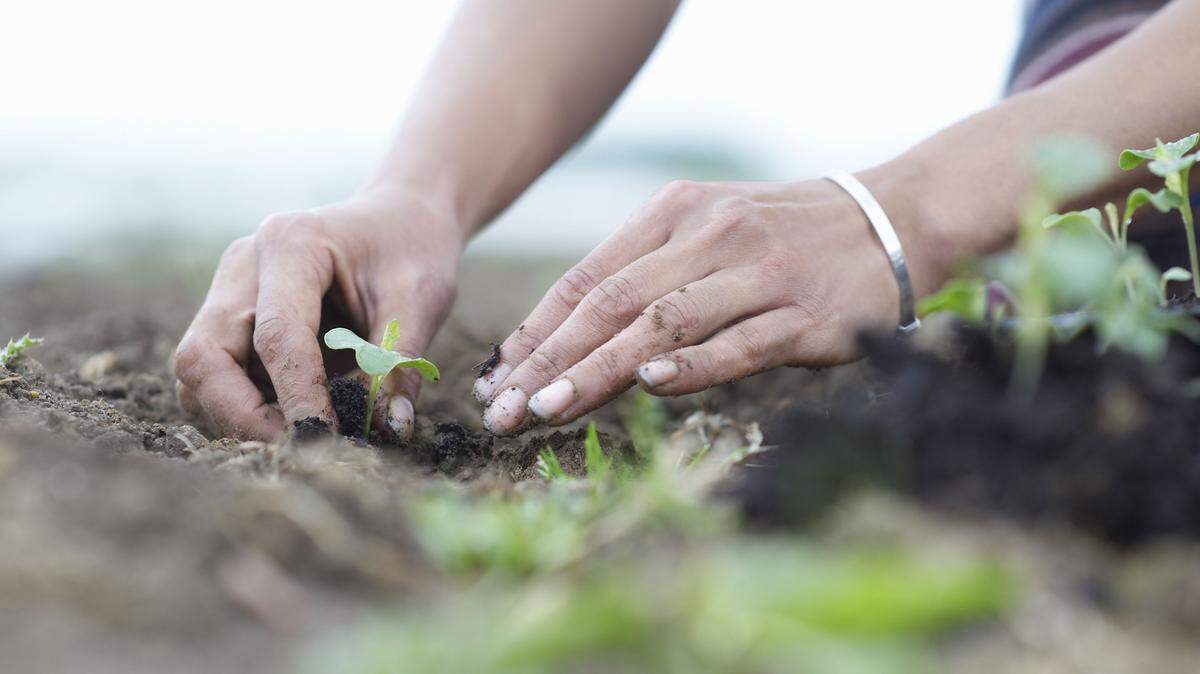
This includes ecological protection. Everything is interdependent; a healthy human community cannot exist in a damaged environment. Each person putting the roots of one native plant or tree into the soil does wonders for the urban ecosystem, now and in the future.
Native plants do so much more than just clean polluted air. They sequester carbon from the air, helping us reverse the effects of global warming. They increase the soil’s ability to retain water, thus reducing water runoff and subsequent flooding. This action helps our aquifers’ water supply to be maintained and replenished. Native plants help us reclaim a part of our natural environment that has been lost by urban sprawl.
When planted correctly and with purpose, native plants provide pollinator pathways that support the vast diversity of insect and animal life that populate our amazing Florida ecosystem. Bees, butterflies, dragonflies, hummingbirds, mockingbirds, cardinals, ospreys — the list goes on and on — all depend on native plant life for survival. We, in turn, need them to pollinate our food, maintain ecological balance and provide a natural reminder of why this planet is an Eden.
As a community, we need to alleviate some of the stress caused by the COVID-19 crisis and get back in touch with nature. Feel the soil under our fingertips and massage it a little. There are happy microbes in the soil and it’s therapy that can take us back to a time when our ancestors relied on it to survive, and thrive. A time when we worked with the soil and nature, not against them.
While we do not have to toil as our ancestors once did, it still is vital for each of us to understand where our food comes from and to have the experience of planting and growing something with nature. Supporting our local ecosystem and farmers (both urban and rural) is the personal and social responsibility of all South Floridians. We must strive to maintain an active connection with nature, as well as the recognition that this connection exists is mutually beneficial one.
Roger Horne, an IFAS-certified master gardener, is executive director of Urban Greenworks, focused on its Community Food Security Initiative.
This story was originally published April 21, 2020 at 6:53 PM.