We must save Earth’s oceans and forests if we are to save ourselves | Opinion
As people hunker down in their homes, with city centers deserted and highways empty, Mother Nature is gearing up for her biggest celebration of the year. In North America, we call it spring.
The signs are everywhere — eagles and osprey noisily feeding their babies in Florida, whip-poor-wills tuning up their nocturnal symphonies in North Carolina, bluebirds singing for sex in Pennsylvania and northern parula warblers announcing sunrise in Vermont. If leaves made noise, gazillions of screaming voices would overpower the countryside as trees burst their buds.
Emerging from this COVID-19 crisis, most people will focus on recovery, and rightly so. But a few of us tirelessly keep an eye on the long view, working for the quality of life of our grandchildren.
Three years ago, in honor of International Women’s Day, the two of us presented a conversation called “Her Deepness and Her Highness” at the Tampa Theatre. (Thanks to biodiversity expert Edward Wilson, of Harvard University, who gave us our nicknames — Her Deepness (Earle); Her Highness (Lowman).
We spoke to girls, families and students, telling our stories about one woman diving to the ocean depths and another climbing into the tallest tropical trees, both with missions to advance conservation of planet Earth. This year, our sisterhood celebrates Earth Day with an emboldened conversation to bring attention to both oceans and rain forests.
During the past three years, millions of acres of rain forest have been burned or clear-cut with seemingly nonchalant abandon. Millions of tons of sharks, tunas and other ocean wildlife have been taken out of the ocean, only to be replaced by millions of tons of plastic and carbon dioxide.
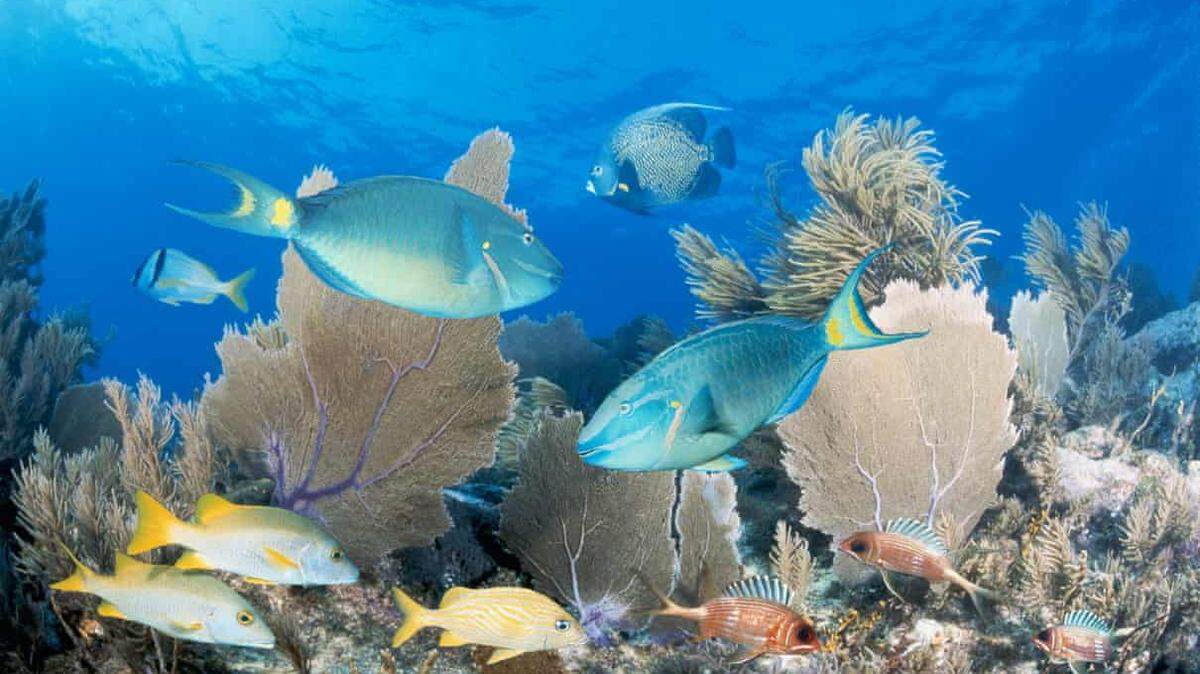
Oceans are essential for livelihoods, food and climate control. Rain-forest canopies house an estimated 50 percent of our terrestrial biodiversity, also serving as a source of timber, medicine, fabrics, food, productivity and water filtration.
We both watch with grief, knowing that these marine and terrestrial ecosystems are essential to the survival of humans as well as all life on Earth. The coronavirus pandemic is a wake-up call. The laws of nature must be respected. Healthy humans need a healthy planet.
Ten years ago, Earle launched Mission Blue to inspire action to explore and protect the ocean, which now features more than a hundred “Hope Spots,” special places critical to ocean health. They are supported by local champions and communities in collaboration with more than 200 partner organizations from the National Geographic Society, Rolex, universities, multinational companies and nonprofits.
Emulating the successful Mission Blue program, Lowman is launching Mission Green to create similar “Hope Spots” throughout global forests, sharing Wilson’s goal to conserve Earth’s biodiversity.
In his recent book, “Half Earth,” Wilson listed 17 forests critical to conserve, which creates a blueprint for Mission Green. By building 10 canopy walkways in 10 of the world’s highest-diversity rain forests, Mission Green plans to provide permanent refugia for an extraordinary number of species that inhabit the tropical treetops.
Environmental stewardship will be assured by training local people to obtain a sustainable income through canopy ecotourism, not logging. Mission Green walkways have been piloted in Malaysia and Amazonian Peru. At a recent lunch date, Wilson advised Mission Green, “This is one of the best ideas I’ve ever heard to conserve biodiversity!”
We invite you to celebrate a vision to keep our oceans and rain forests healthy for your grandchildren. On this Earth Day, join us to give thanks for another North American spring, but also to invest in our planet’s future by saving oceans and tropical forests.
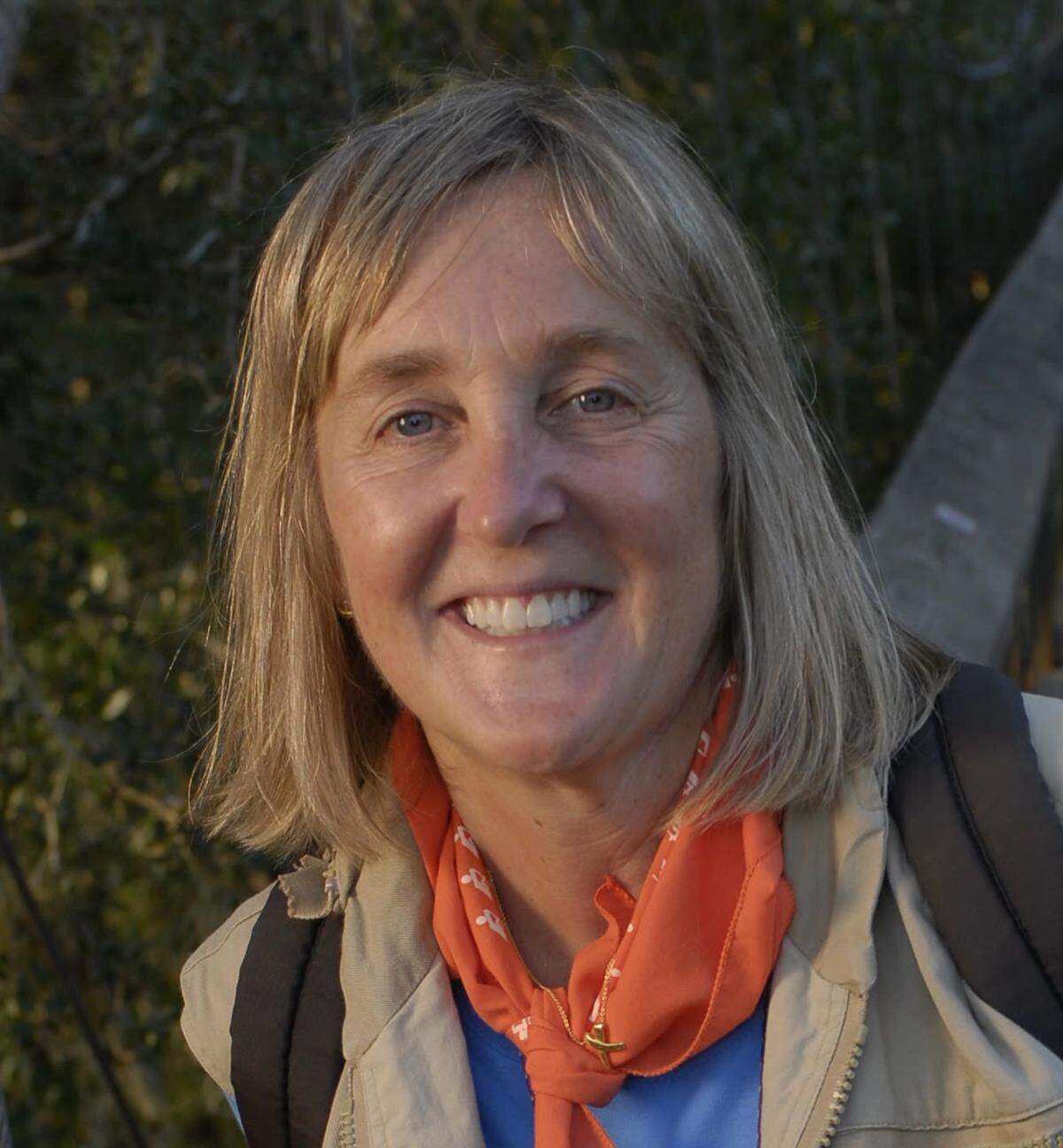
Meg Lowman pioneered the science of canopy biology and explores forests around the world with a focus on biodiversity, tropical rain forest conservation, and mentoring girls in science. Sylvia Earle is an oceanographer dedicated to developing and using technologies for underwater exploration and for large-scale protection of Earth’s natural systems.
“The Invading Sea” is the opinion arm of the Florida Climate Reporting Network, a collaborative of news organizations across the state focusing on the threats posed by the warming climate.