
COVID-19 deaths highlight need for people to make end-of-life wishes known | Opinion
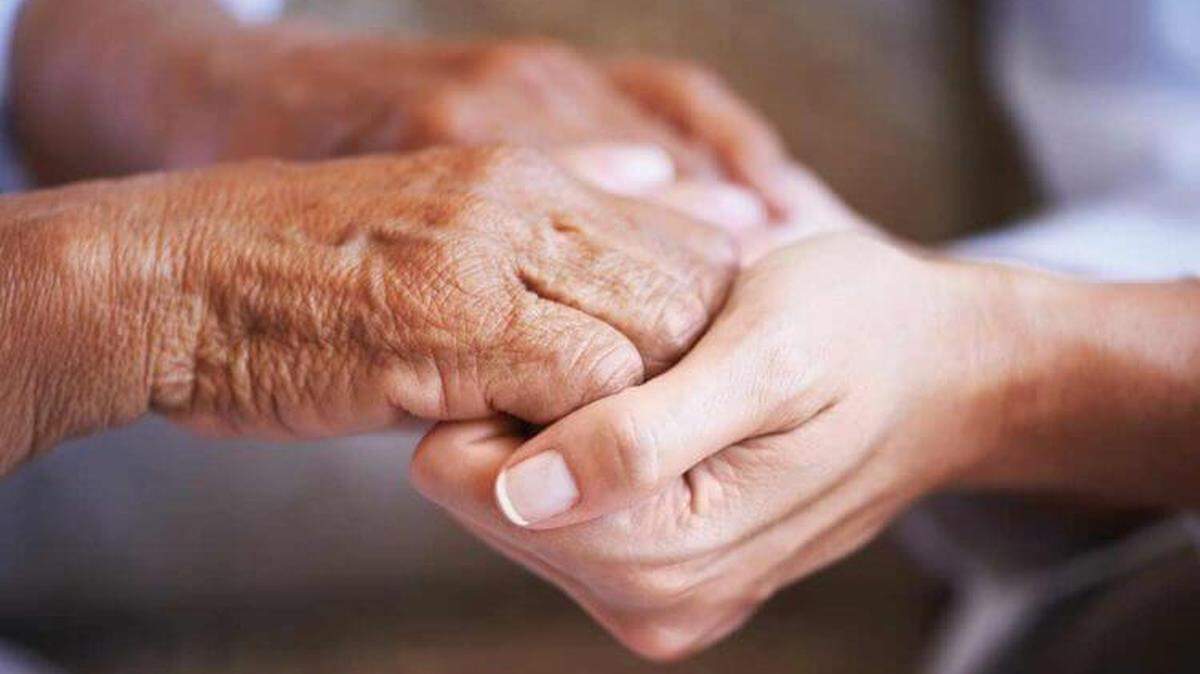
April 16, the date of the projected peak of the coronavirus pandemic in the United States, is also National Healthcare Decisions Day. It’s when Americans are encouraged to complete advance directives that name their decision maker and specify their medical-treatment preferences should they ever lose their decision-making capacity.
This year, desperate family members, with tears streaming down their faces, their noses pressed against hospital doors, barred from entry to see or talk to their loved ones are the poignant poster children for this particular day, when families will regret never asking loved ones about their end-of-life wishes and COVID-19 patients themselves, perhaps unable to speak, will regret their own procrastination.
National Healthcare Decisions Day is supposed to prevent such days of regret.
I certainly understand. For more than two years, I spent my days in two intensive-care units where the coronavirus tragedy is unfolding today. There I embarked upon the most extensive study of how loved ones navigate complex, end-of-life medical decisions, observing more than a thousand conversations and meetings between healthcare providers and families and friends of patients unable to speak or make medical decisions for themselves.
Not even a third of all patients admitted to the ICUs had prepared advance directives. Yet I could find little evidence that directives alone made much difference. Comparing patients with and without them, treatment decisions were no different, decisions were based on similar criteria, they were made no faster, there was no less conflict and the process was no less emotionally burdensome for loved ones. The handful of decision makers confidently embracing documents that they assumed would take care of all the hard decisions discovered that directives rarely provided sufficient guidance for the nuanced, bewildering and unexpected choices they faced. Only one in 20 of all ICU patients had directives that actually helped honor their wishes.
But advance directives do not only leave instructions; they also name the decision maker to speak on a patient’s behalf. When people fail to complete advance directives, laws in most states make the choices for us, some that are not always appropriate.
I also saw that other members of the family tree seemed better suited for this responsibility than those actually tasked with making decisions. They were better able to negotiate complex, conflicting medical information, to advocate for the patient and to forge consensus. Unfortunately, they lacked legal authority to do so because laws, or even the patient, had named someone else.
The coronavirus pandemic reminds us that it is difficult when we are healthy to envision the medical crisis that will steal our decision-making capacity. That is why documents are not enough. We need to carefully consider and identify in advance the best person to navigate these excruciating choices and name them in an advance directive. But then we must discuss repeatedly at length — with all our loved ones — not the decisions we want them to make, but how they should be made.
What decision criteria are most important; how should they be weighed and trade-offs balanced? How should we evaluate probability, risk, or prognostic uncertainty? How long should aggressive measures be taken before switching from cure to comfort? How much suffering along the way is tolerable? What constitutes an acceptable quality of life? How much weight should be given to a family’s needs?
Perhaps this year, so mindful of unbearable tragedy and with more opportunity to reflect, we will start the conversations to reverse this trajectory of regret.
Susan P. Shapiro is research professor for the American Bar Foundation.