
South Florida can’t flourish after COVID-19 until Latin America, Caribbean overcome it | Opinion
“I ate 11 times and took five naps — and it’s still today.”
So goes the meme about getting through these very long days. How do we get out of today?
We are clearly in uncharted waters. The coronavirus has turned the entire world upside down. Deaths and sickness still mount. Fear and uncertainty intensify. Students are confined to learning from home, businesses are shuttered — many will never reopen — and people are losing their livelihoods.
I have named this period “Day 1.” As the struggle to survive Day 1 intensifies, and the news moves from grim to grimmer, we wonder for how long? Who will endure? And how do we eventually get back to a saner and less deadly new normal, a more benign new normal, or what I call “Day 2?”
Day 2 will dawn as a new era, one that reflects the damages, scars and lessons of this coronavirus pandemic. Hopefully, we will have figured out a way to control the virus and keep people healthy. This experience will structure an entirely new mindset about how we live and what we value. A new generation — already dubbed Generation C — will emerge. Presumably we will be stronger and better — at least that is the hackneyed trope we find ourselves uttering.
While it is hard to predict when we might formally enter into Day 2, the major pre-conditions would likely be a flattening of the curve, a formal end to social distancing and the resumption of group events. We would likely see a burst in social and economic activity, the opening of closed parks, new and old businesses popping up, an expansion of the gig economy and a movement out of the recession we now are in. There will also be a dramatic expansion in tele-x, be it in health or education.
But much will depend on the resilience of the community in question and its specific demographic and geographic assets. In South Florida, we pride ourselves on both. We value our multiculturalism, our global edginess, and our deep and intimate connections to the peoples and countries of Latin America and the Caribbean.
The unique interdependence between us and our Latin American and Caribbean neighbors has traditionally been a source of social, cultural and financial dynamism. Hemispheric trade, commerce and tourism anchor South Florida’s airports and seaports. Thousands of jobs in South Florida depend upon the vibrancy of the market in the countries of the region. Undeniably, there is an intimacy and absence of boundaries in our inter-American relations that has normally been catalyzing and dynamic. Intensified migration, which we can predict, will only tighten our connections.
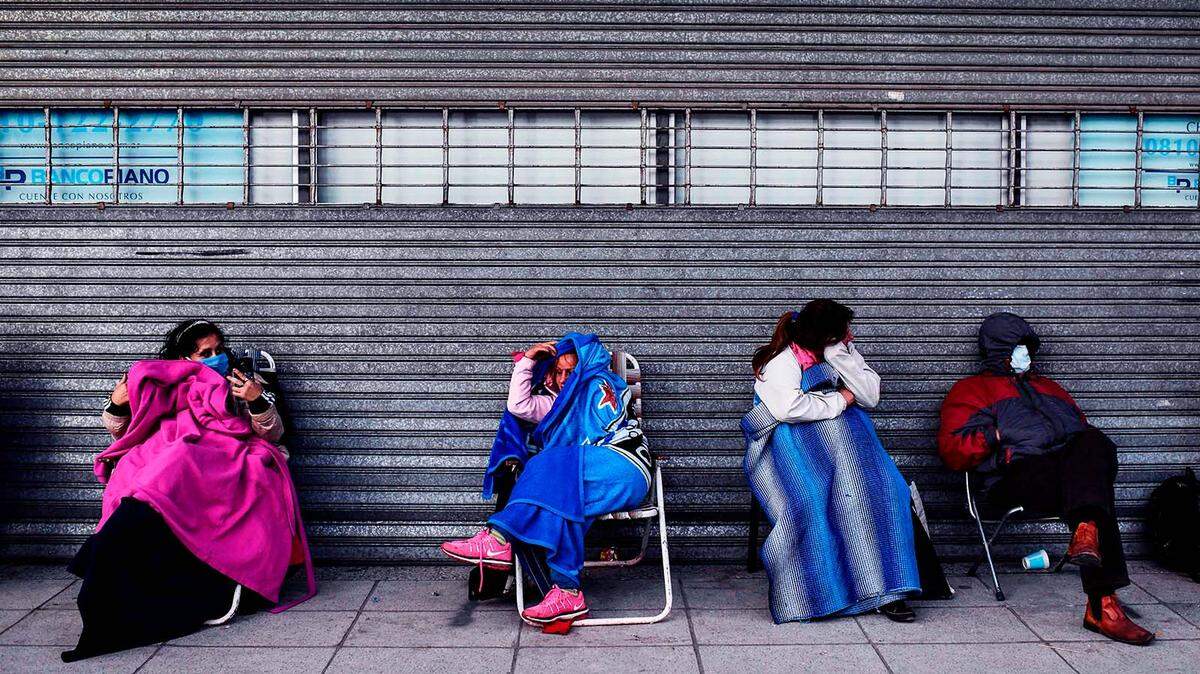
Which brings us to Day 2. Can South Florida get to Day 2 if most, if not all, of Latin American and Caribbean countries are still in Day 1, which is just dawning there? By the middle of last week, almost 200,000 confirmed cases of the coronavirus were reported for the region, a doubling from just five days before. Brazil leads the region in deaths and there have been alarming reports coming out of Ecuador and southern Mexico. Only Colombia, El Salvador, Panama, and Argentina seem to have taken some measures to slow down the spread.
FIU’s senior researcher on public health in Latin America, Carlos Espinal, has identified a litany of challenges related to the region’s management of COVID-19: tardy responses in most countries; insufficient efforts to track, isolate and communicate; low testing and high costs for diagnostic kits; the closing of all borders; and an insufficient healthcare infrastructure.
The result? Most countries are now slowly moving to community transmission. Their Day 1 is just beginning, and it is likely to be prolonged. The lack of testing, inadequacy of supplies and hospitals, minimalist public education and rampant poverty likely will keep our hemispheric neighbors subject to the ravages of the disease for months to come, long after we are, at least temporarily, preparing to transition to Day 2 in South Florida.
Short of barring Latin American and Caribbean travelers to Florida , and given our close familial ties to the south, we can’t get into Day 2 unless Latin America and the Caribbean get out of Day 1.
That means we have to assist international agencies working on the region (USAID, Southcom, PAHO) in their efforts to help lower the curve and end social distancing in Latin America and the Caribbean. Unless we make significant progress, we and the region are going to have even longer days than the opening meme describes.
No one wants an endless Day 1. But getting to Day 2 will require empathetic and data informed leadership and community mindedness. We will have to navigate the deployment of exponential technologies with big-heartedness. We must use hope to drive out fear and uncertainty, but let’s inform our hope with realistic understanding about what our challenges are, then let’s get on them. That’s who we are.
Mark B. Rosenberg is president of FIU.