
Miami’s lax permit process blocks creating public spaces residents want | Opinion
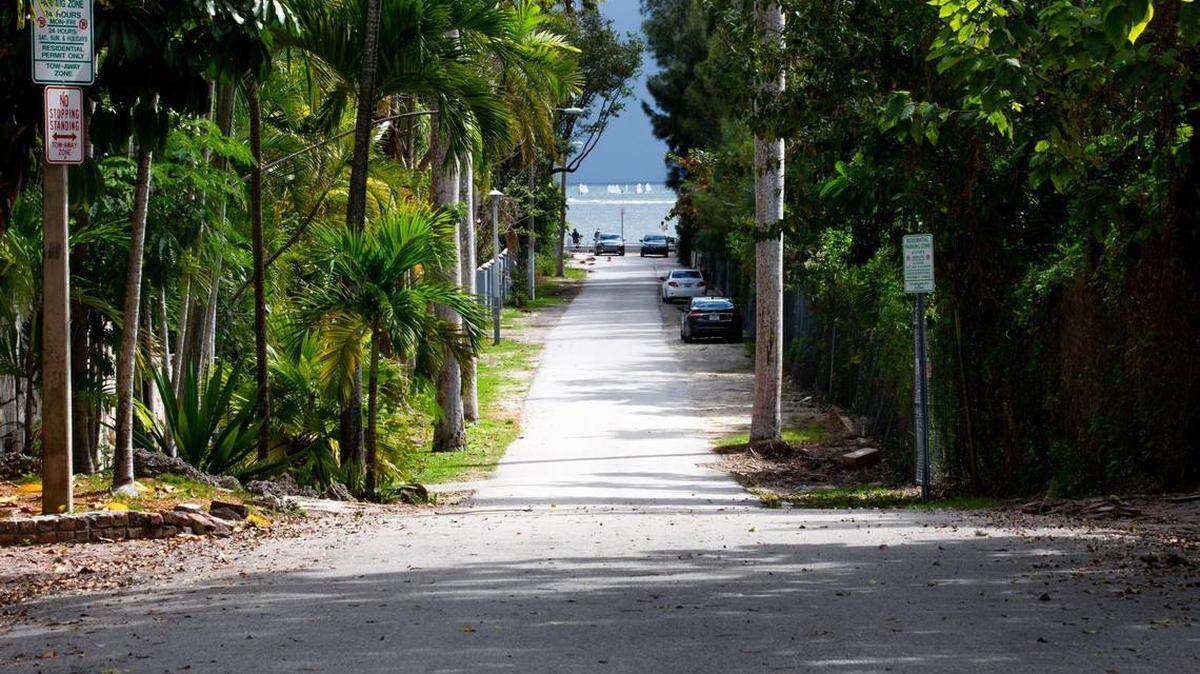
A recent article, “New Miami parks stalled by neighbors who say ‘Not in my back yard’,“ about stalled pocket parks in Coconut Grove, is only part of a story that goes beyond political officials appeasing NIMBY neighbors.
The root of these conflicts is the need to reform how Miami-Dade County and its municipalities respond to citizen-generated public space and mobility projects. The article calls attention to how the county and cities interact with programs such as The Public Space Challenge and the Miami-Dade Transportation (MDT) Quick-Build Program, both of which have seen relatively low implementation rates. Currently, a small percentage of awarded Public Space Challenge projects are implemented within the grant cycle, and the MDT Quick-Build Program fizzled after two years with only 22 percent of the projects implemented.
These programs were stifled, in large part, because of the lack of a streamlined permit process and structured participation from local governments. Outside the framework of large-scale, public planning projects, local government has not established a unique pathway for approving these projects other than to use political will if it wants to — which is infrequent.
Projects that have been vetted by organizations and residents, based on observed and experienced need, are either stalled or not realized because there are no procedures in place to support their implementation. No one wins, and the blame game begins. Funding and technical assistance end up sitting unused, further frustrating residents who are certain that the local government does not work for the people.
Derived from nationwide best practices, the following recommendations should be considered to increase the frequency of implementation of citizen-generated projects:
Dedicate staff and resources to ushering these projects through. Local governments need to create internal teams comprising various department staff to manage these projects through implementation. Without dedicated resources, government does not have any skin in the game when it comes to implementation of citizen-initiated projects, and citizens burn themselves out in volunteer hours to move well-intentioned projects along. Municipal staff are not held accountable for seeing projects through because they exceed their typical duties and city resources to begin with.
Establish a top-down framework to facilitate bottom-up projects. What is special about these programs is that they allow citizens to be proactive in making change happen in their communities. However, citizens still need approval and support from the local government to do so. Unfortunately, the local government’s answer too often is to point to standards that don’t exist, and therefore an inability to permit projects, defaulting to issues of liability or maintenance.
Establish roles through Memorandums of Understanding. Once the local government team is put in place and a permitting process created, all entities (including the project awardees) should be held accountable for their participation in the implementation of the projects through project-specific agreements. Who maintains what, and how is that funded? Does the funder help promote the projects after they’re selected? Who is the direct city staff contact facilitating permitting?
City leaders should look at the NYC Plaza Program, the Los Angeles People St. Program, or the Barr Foundation’s BostonBRT Program. These programs lead the way in transforming public spaces and mobility and offer a legitimate route to realizing citizen-generated projects. Programs like these are an opportunity for citizens to voice their needs and express their creativity, and they can facilitate offsetting some of the responsibility of government for making public improvements.
Miami’s residents carry immense power for positive transformation, and city leaders can do more to harness it effectively.
Dana Wall is senior project manager of urban planning and design firm Street Plans. She managed the MDT Quick-Build Program.
This story was originally published March 2, 2020 at 6:06 PM.