
Censorship endangers our physical health as well as our political well-being | Opinion
More than 80 percent of U.S. adults say the news media are critical or very important to the political health of our democracy, according to a 2018 Gallup/Knight Foundation Survey on Trust, Media and Democracy.
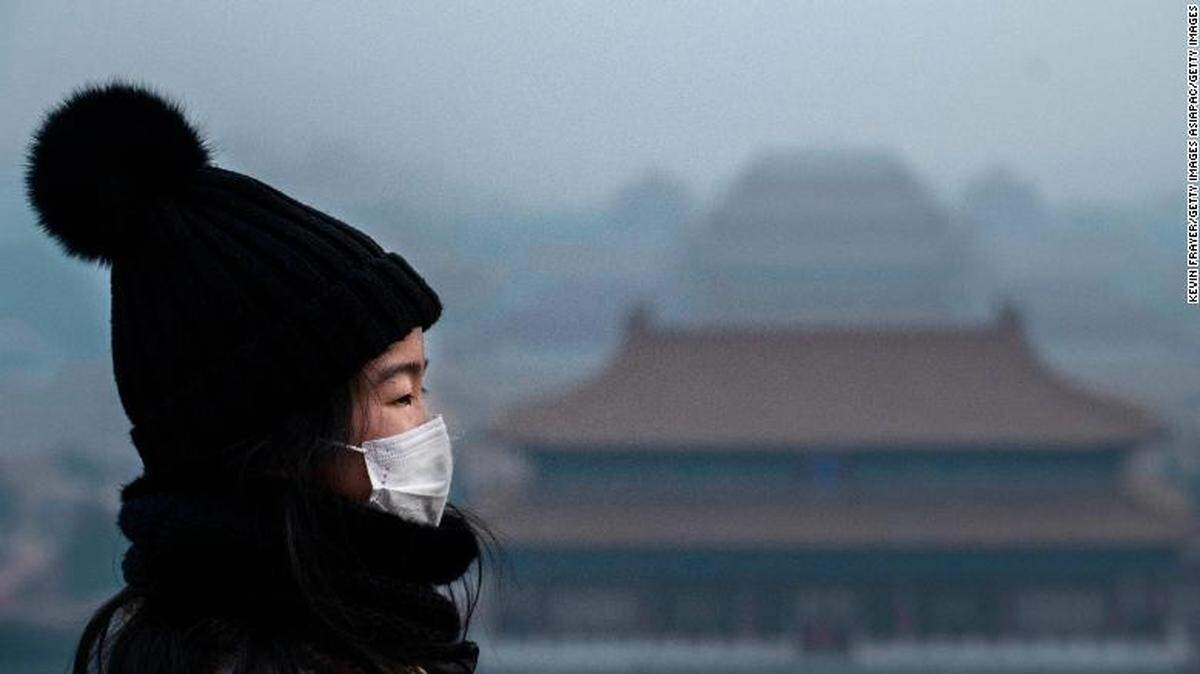
As we’ve seen over the past several weeks with Chinese officials clamping down on reports about the spread of the deadly coronavirus, the news media are also critical to the literal health of a nation.
Under President Xi Jinping’s direction, the Chinese government’s censorship of WeChat, including pulling local news reports about the disease’s spread, has had several effects. Not only does it immediately close off the exchange of important information. It also chills future use, as people understand that the networking app can be weaponized against them.
Decades before wi-fi and iPhones, an even deadlier example of censorship struck America.
President Woodrow Wilson’s expansive and unprecedented control of speech during the First World War, newsrooms included, had similar consequences for epidemic disease. Blocking information that would have allowed accurate reporting on the World War I-era outbreak of influenza and prohibiting public health officials from going public with warnings, Wilson’s censorship took a localized situation in Kansas to a worldwide epidemic that killed millions.
The free flow of information is a necessary preventive to the spread of a contagion. And a strong, independent press is a powerful inoculation against all manner of ills, physical and political.
Journalism gives people access to information and empowers them to hold those in power to account. In 2018, Columbia Journalism Review and CityLab highlighted a study that found cronyism and corruption are likely to increase when community newspapers close.
Using almost two decades worth of data, Dermot Murphy from the University of Illinois at Chicago, Pengjie Gao from the University of Notre Dame and Chang Lee from the University of Illinois at Chicago, found local government borrowing costs rose significantly in counties that experienced a newspaper closure compared with geographically adjacent counties with similar demographic and economic characteristics but that still had newspapers.In 2017, Columbia Journalism Review noted revenues at community newspapers have declined $20 billion since 2000. According to Pew Research Center, the number of jobs in newsrooms fell 23 percent from 2008 to 2017. And in just one week in January 2019, more than 1,000 media jobs were eliminated.
With citizens’ access to news narrowing and journalists finding it harder and harder to do their jobs, we need to ensure gaining access to information isn’t another onerous hurdle. Local, state and federal officials enhance government transparency to do this. The Department of Interior’s proposal to revamp its Freedom of Information Act procedures does the opposite, however. The rule would make it easier for the department to delay the release of information and would increase the burden on requesters to be specific about the information they’re requesting.
We’re seeing this at state and local levels as well. In many cases, officials impose fees to disincentivize broad access. But some have gone so far as to take legal action. In Michigan, for instance, government bodies have countersued news outlets over their requests.
America has changed considerably for the better since Woodrow Wilson’s time. But while U.S. newspapers aren’t yet forbidden to report on the health of Americans, local journalism is weakening. And the culture is becoming antagonistic; these social norms affect the ability of journalists to do their job.
Cries of “fake news,” complaints about bias and calls for “retribution” from the president and those seeking to replace him affect cultural attitudes regarding the media and could have a deep and lasting effect on how the public perceives the press. A 2017 Economist/YouGov Poll found a third of Americans favor fining news outlets they see as biased or inaccurate.
It’s a dangerous trend — and all the more dangerous when it affects the ability of healthcare professionals to spread potentially life-saving news in a timely manner.
Vladimir Lenin once asked, “Why should any man be allowed to buy a printing press and disseminate pernicious opinions calculated to embarrass the government?” His regime provided the only answer we should need, but a growing body of academic research makes it clear the fourth estate is necessary to address what ails our own society.
Sarah Ruger directs the Charles Koch Institute’s Free Expression Portfolio and the Charles Koch Foundation’s Courageous Collaborations initiative.