
Formula 1 in Miami Gardens will be like having Super Bowls four days in a row. No! | Opinion
As a Miami-Dade County commissioner, I spearheaded the founding of the city of Miami Gardens. It has been a privilege to see what was once “North Dade” develop into the one of the largest cities in the county. While we have our share of challenges, I have been blessed to see the work that we put into our community in the 1980s now bear fruit. We are home to more than 110,000 residents, many businesses and schools; we are much more than just a city with a stadium in it.
On Feb. 4, county commissioners should support Commissioner Barbara Jordan’s ordinance that would require an open, transparent process, public input and elected officials’ approval for any racing event of the type the Miami Dolphins have proposed. Commissioners can either side with Miami Gardens residents and district commissioner Jordan, who oppose their neighborhood being used as a race track, or back the Formula One proposal of Stephen Ross, a billionaire who would receive an additional $2.5 million a year in public dollars for this disruptive annual event.
At recent neighborhood community meetings and at the County Commission, hundreds of Miami Gardens residents spoke with one voice, along with Miami Gardens elected representatives, who voted unanimously to oppose this nightmarish race in our community. It will cause catastrophic stresses on our roads, schools, businesses and environment.
While we welcome major events, it should be clear that unlike Super Bowl LIV, played in our community on Sunday for the first time in a decade, Ross’ Formula 1 race would occur every year. The negative impact on Miami Gardens would be like having a Super Bowl every year for four consecutive days, with four to eight hours of menacing noise each day. The expected total attendance for Formula One races each year is also about four times larger than the 66,000 spectators that would fill Hard Rock for one football game once a weekend. It is unfair for one community to bear the entire burden of such events.
Formula 1 would disrupt our schools as well. Despite Ross’ promise to work with Miami-Dade County Public Schools, there is no denying just how challenging this race would be to our students, parents and educators. Schedules will need to be adjusted and bus routes rearranged over the weeks it will take to set up for and remove equipment for the race.
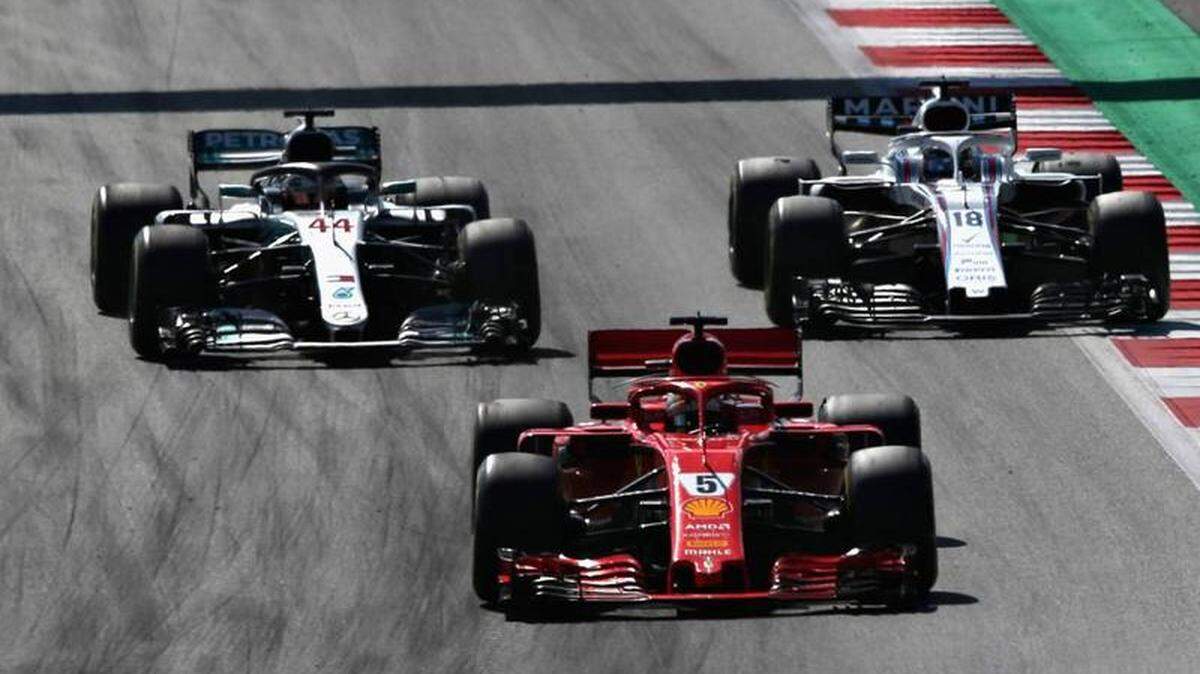
Formula 1 unquestionably would bring noise pollution. Imagine the sound of a jet engine outside your home, but for several hours over the course of several days of practice and racing. A professional acoustical engineering study confirmed that Formula 1 could create other environmental hazards, including damage to our air and concentrated air pollution that would harm residents, children and the elderly in particular.
Formula 1’s economic stimulus would mostly be for Ross’ wallet, not for the community. Race supporters cite questionable economic studies that they themselves have commissioned. These are the very people who would pocket tens, if not hundreds of millions, of dollars. A simple reading reveals that the projections are nothing more than fantasy; and, whatever the economic benefits, they will go to Ross, Formula 1 and the restaurants and hotels in downtown Miami, Miami Beach and Broward County, many of which are national and international corporations. This would reduce the professed benefits for local merchants. Miami Gardens residents and businesses will get the proverbial shaft.
At the least, county commissioners should demand and the public should have a copy of the agreement between Ross and Formula 1. After all, if taxpayers are going to be forced to give him more than $25 million over the next ten years, what do we the people of Miami-Dade County get?
To try to foist this race into our community, without almost any input from residents who would be affected, is not only outrageous, but disrespectful to a predominantly African-American community whose voices too often are ignored. This is environmental racism, pure and simple. Let’s not forget: The original plan was to build a race track in downtown Miami, but it was only after local residents stood up and spoke out and their elected officials listened that Formula 1 decided to try the same plan farther north. I can only imagine what the city leaders of Coral Gables would say about a Formula 1 race on Miracle Mile. Miami Gardens is no different.
This begs the question: Why is Formula 1 not good enough for downtown Miami, but it’s appropriate for our community? More importantly, why should our community be forced to pay the environmental and social cost for this race, when we don’t want it?
I hope in my heart that the majority of commissioners will support Commissioner Jordan’s ordinance and give residents the right to decide the future of their community.
Betty Ferguson, a former Miami-Dade commissioner, is president of Royal Crest Lake, Inc. Miami Gardens Homeowners Coalition.
This story was originally published February 3, 2020 at 2:14 PM.