
In Miami, there will be zero tolerance for Super Bowl sex traffickers | Opinion
South Florida has spent months collaborating and preparing to host Sunday’s Super Bowl LIV, a world-wide event. Cities all over America vie to host the championship game as it provides a dynamic economic boom for the host city and allows it to show off its best qualities on an international stage.
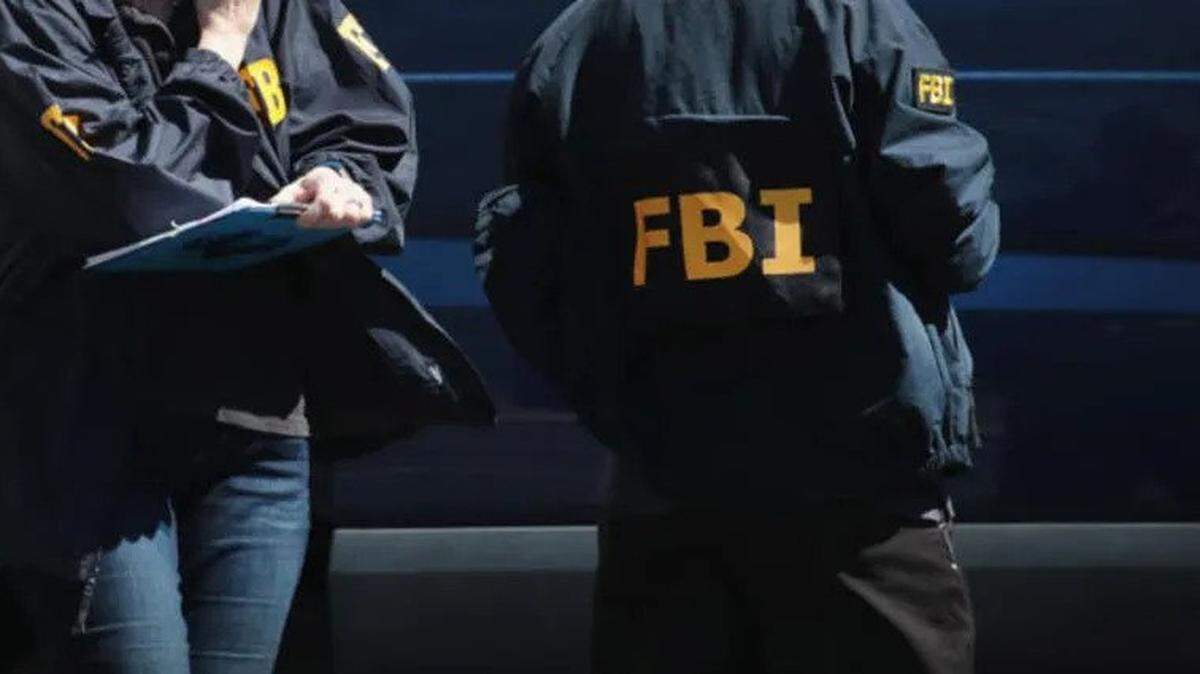
Unfortunately, there can be a darker side to this worldwide attention — human trafficking. Traffickers follow the trail of money and buyers from around the world, so they will be here. Predictably, the Super Bowl presents us with a tremendous challenge. Thanks to the collaboration of local, state and federal law enforcement, community service providers and the private sector, we are well-positioned to tackle this challenge.
It is remarkable to reflect on how much we have learned and how far we have come since 2010, when the Super Bowl last came to Miami. I and others successfully lobbied the 2013 Florida Legislature to revamp substantially our human-trafficking statutes for more clarity and to significantly increase the potential punishments. During this time, I also created Florida’s first prosecution unit dedicated solely to human trafficking and its related crimes.
Few among us were talking about human trafficking in 2010. It was an ugly “hidden” crime, almost invisible if you did not know where to look and what to look for (and surely, the traffickers like it that way). Few knew that the victims of sex traffickers are often sold for sex as children. Many victims were forced into this prostitution when they were as young as 13. Our children in our neighborhoods, schools, parks and foster-care system potentially are at risk. Fortunately, today we are all more enlightened, times have changed and our collective eyes are open to the truth of this “modern-day slavery.”
We know that frustrating an influx of potential traffickers will require an effective working collaboration. We have partnered with the NFL, the Super Bowl Host Committee, law-enforcement agencies, local, state and federal governments and various community organizations. With our accumulated knowledge and experience gained over the past several years, plus the infrastructure of services we have built, our community is as ready as we can be for everything the Super Bowl may bring.
Our message to would-be traffickers is clear: There will be zero tolerance for anyone who intends to bring their illegal business to South Florida during the big game or at any time thereafter.
In 2019, officials from NFL headquarters in New York and Miami Super Bowl Host Committee Chairman Rodney Barreto reached out to me and my prosecutors to specifically address human trafficking. Together with Women’s Fund Executive Director Kathy Andersen, we have, partnered with all sectors of our community to develop both an awareness campaign and a law-enforcement action and rescue plan.
We also have established a local hotline for people to report suspected cases of human trafficking: 305 FIX-STOP (305 349-7867). Additionally, we have developed a QR code to facilitate connecting to the human-trafficking hotline. A QR code is a machine-readable optical label that resembles a square barcode. By opening the camera aspect of your phone and focusing in on the logo, the phone automatically will provide a pop-up box that will list the hotline number. By touching that popup box, the hotline phone number will automatically be dialed.
A local hotline is a critical tool in our battle against human trafficking. Of course, if there is an emergency, one should always call 911. Also, the national hotline 1 (888) 373-7888, is a valuable resource. Law enforcement cannot combat this problem alone. Community members must be our eyes and ears because the community can see what law enforcement may not. I and my community partners have been striving for years to raise public awareness on what human trafficking looks like. But once people see it or suspect it, they need an effective means of reporting it. To be rescued, victims need a rapid response of meaningful interventions.
This is where the local hotline comes into play. Our hotline is staffed 24/7 by state attorney’s office specialists who can immediately engage our human trafficking task force detectives, federal agents, prosecutors and care connectors to community services, such as shelters and medical interventions. The goal is for this team to have the capacity to respond and investigate any potential situation day or night, wherever needed. This is the goal. If we are all united, we will be victorious in this mission.
As for traffickers seeking to profit during the Super Bowl, be warned: You will have nowhere to hide.
Katherine Fernandez Rundle is Miami-Dade County state attorney.