
Super Bowl a reminder first responders still don’t have life-saving equipment | Opinion
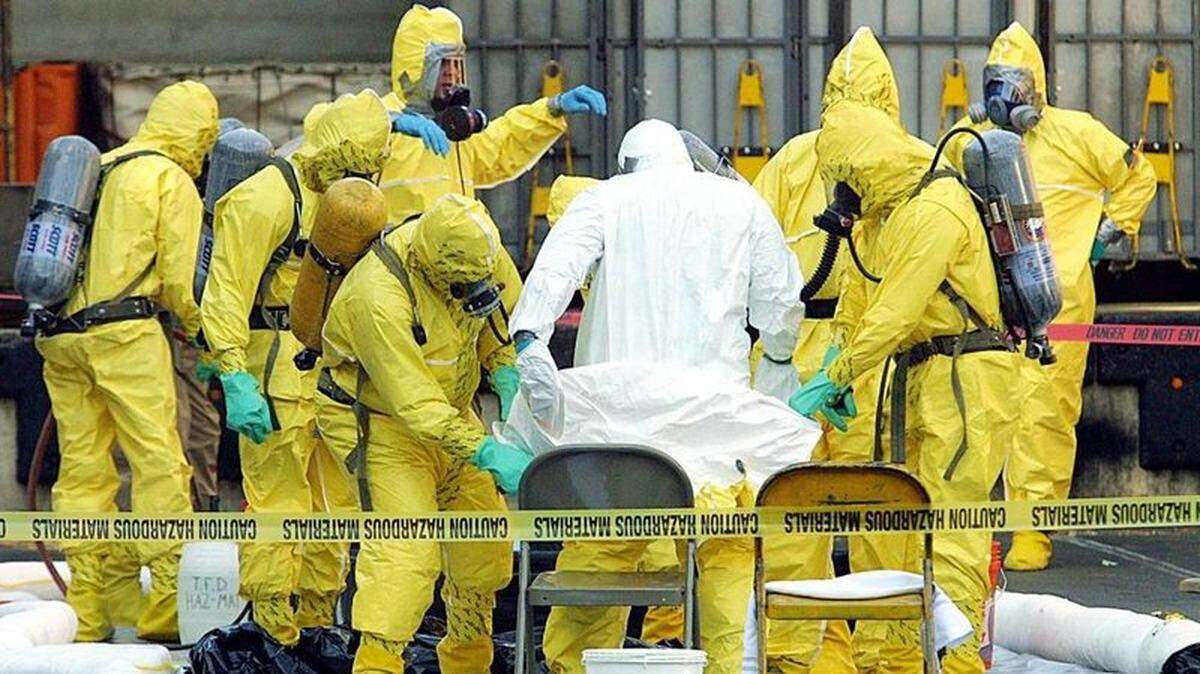
This Sunday, tens of thousands of football fans will converge on Miami for the Super Bowl. Local, state and federal law enforcement, as well as their private-sector partners, are hard at work securing the venue and surrounding areas to make sure fans, teams and vendors are safe.
Highly publicized and heavily attended events such as the Super Bowl are attractive targets for terrorists. A bioterrorist attack on such a large crowd, temporarily contained by a stadium, could be devastating. First responders need functional equipment that can quickly and reliably detect whether and when a biological agent is released.
As co-chairs of the Bipartisan Commission on Biodefense, we know they do not have the equipment they need.
The federal BioWatch detection system is supposed to monitor the air for organisms that could be used in a biological attack in 30 cities across the country and at large-scale events, like the Super Bowl. Installed in response to the anthrax events of 2001, the system was supposed to be a first pass at developing and deploying early-warning biodetectors. We knew then that technology was imperfect and assumed that a better detection system would soon replace it.
That never happened.
BioWatch still uses the same poorly functioning technology it did almost two decades ago. This leaves America vulnerable to biological attacks that will go undetected for too long. Congress and the administration must step in, require the development of advanced detection systems to replace BioWatch, provide funding for those systems and force the effort to the earliest possible conclusion. We know what success looks like. The detectors simply need to work.
Our Commission on Biodefense identified five fundamental flaws with BioWatch technology: First, BioWatch relies on winds blowing in optimal directions, which is not always the case. Second, it can take up to 36 hours to provide evidence of a biological agent, delaying response much too long. Third, specimens are inactivated, preventing determinations of whether live organisms were released. Fourth, the system cannot differentiate between normal and harmful pathogens. Fifth, BioWatch cannot identify novel or genetically engineered diseases.
Based on these findings, we concluded that the entire BioWatch system is effectively dead. The Department of Homeland Security has not been able to acquire next-generation BioWatch technology that works and could achieve its goal of reducing time-to-detection in as few as six hours.
Without effective technology, first responders, healthcare providers and public-health practitioners are forced to wait for people to get sick. They are dependent on what amounts to a human sentinel program. That will not avert a biological catastrophe.
Department of Homeland Security officials told us last year that they intend to replace BioWatch, but the technologies currently under consideration are flawed and inadequate. As a result, by 2025, taxpayers will have spent more than $2 billion on technology that does not work. DHS must work with public-health and safety officials, and private sector innovators, to meet our urgent need.
As Vince Lombardi once said, “People who work together will win, whether it be against complex football defenses or the problems of modern society.”
That is wisdom worth remembering at this year’s Super Bowl, on the field and off.
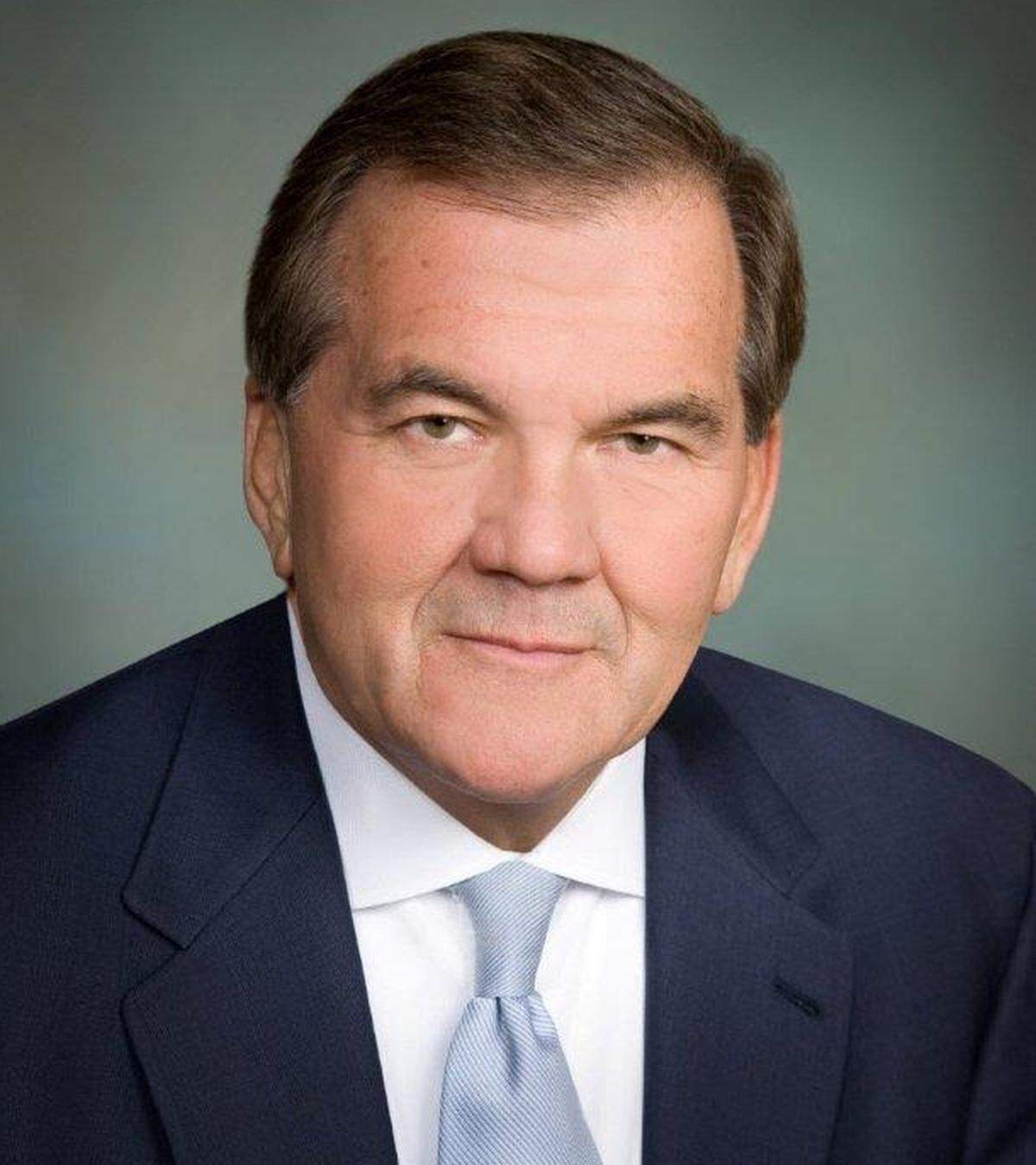
Former U.S. Sen. Joe Lieberman and Tom Ridge, the first U.S. Secretary of Homeland Security, co-chair the Bipartisan Commission on Biodefense.

This story was originally published January 28, 2020 at 4:23 PM.