
Veterans heal by helping damaged coral reefs in the Florida Keys heal, too | Opinion
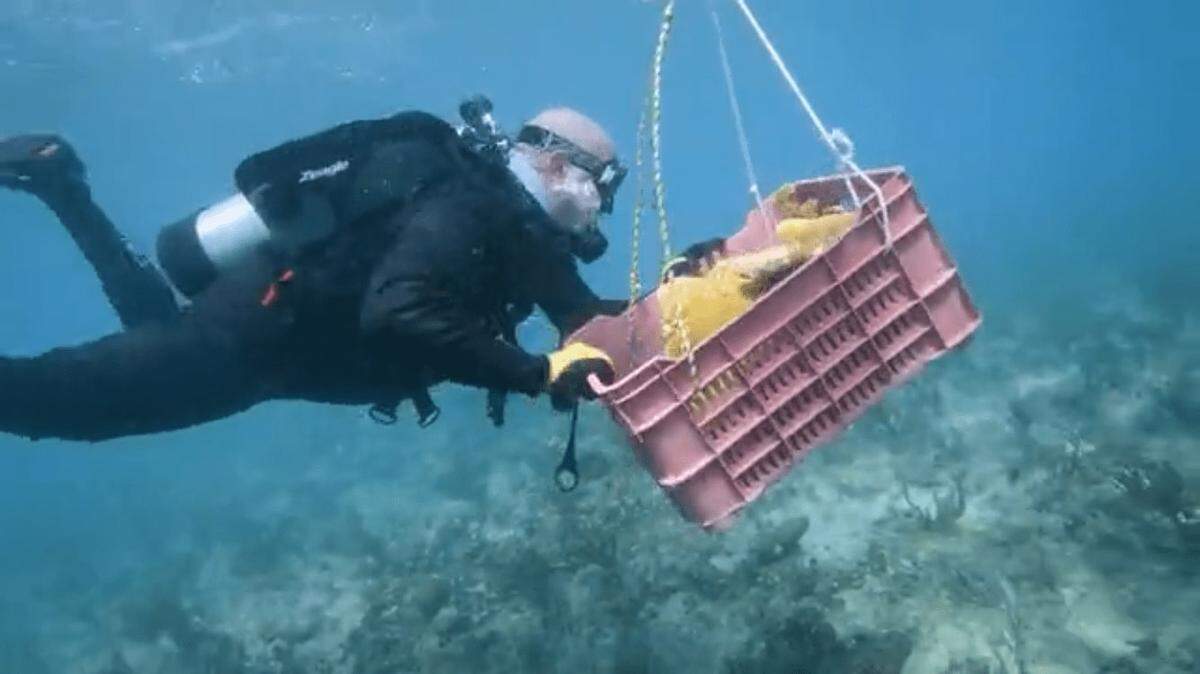
Every so often, we are reminded of the massive debt we owe the men and women who wear, or have worn, the uniform of the U.S. military. They, at one point in time, pledged their lives to defend our own. Those reminders come through national holidays such as Veterans Day, or seeing servicemen and servicewomen walking in uniform through the airport, or watching a tearful surprise reunion at halftime of a football game.
We must take these opportunities to reflect upon the sacrifices made and the decisions we must make to ensure these individuals are treated with the honor and respect they deserve. These moments give us the pause and the healing space to remember that, among all the political rancor and division in our country, veterans are a national treasure we all must hold dear.
As a civilian who never served, but who heads a nonprofit devoted to giving veterans a new way forward by retraining and redeploying them on marine conservation missions — largely in Florida — it occurs to me that there is another national treasure desperately in need of the same space to heal — the Florida Keys National Marine Sanctuary.
Our organization, FORCE BLUE, first came to the Florida Keys in 2017. It was in the aftermath of Hurricane Irma, and our Special Operations veterans (Navy SEALs, Recon Marines, Air Force Pararescuemen, Army Special Forces and one British Royal Marine) were invited by NOAA to assist in the triage of at-risk corals that had been ripped from the reef by the storm.
Over two weeks, these veterans dove the waters of the Marine Sanctuary and took part in several restoration efforts, including the rescue of one, iconic, centuries-old pillar coral colony (“Archie”) that had been left suffocating in the sand off Key West.
We returned in August 2018 to train and onboard of our second team, then, in December, began a six-month mission with the FDEP and Nova Southeastern University to interdict the spread of Stony Coral Tissue Loss Disease throughout the Sanctuary.
In June 2019, we deployed once again, this time with the Turtle Hospital in Marathon, to survey and study the green sea turtle population of the lower Keys and to better understand a disease (Fibropapillomatosis) to which large numbers of these animals have fallen victim.
Throughout these deployments, I have had the opportunity to see the bonds that have been formed and the sense of ownership that has taken hold. The Florida Keys have become a second home to our veterans; the people of the Keys, their extended family. The Marine Sanctuary is, in some regards, their sacred ground.
Keep in mind, these are not native Floridians, but people from Alaska, Michigan, Missouri, New Jersey, Washington and Great Britain, with no ties to the state and certainly no duty to fight for anyone anymore. Yet here they are.
We talk a lot at FORCE BLUE about “the light coming back on” — giving people who have lost purpose a new mission, returning them to service in defense of something greater than their own self-interest. It’s a dynamic that has played out in the eyes of our veterans countless times on their trips to the Marine Sanctuary; too many times for it to be a coincidence.
They see the need, but more important, they see what is possible.
As plans for preservation and protection of the Florida Keys National Marine Sanctuary move forward, it is my hope, we will all find our healing space. And that through cause and community, we will come together to give this national treasure the honor and respect it deserves, just as we have those men and women who pledged themselves to us so long ago did.
Jim Ritterhoff is executive director & co-founder of FORCE BLUE, INC.