
Public toilets enable homelessness? Not true, and a ridiculous excuse to let Miami streets stay filthy | Opinion
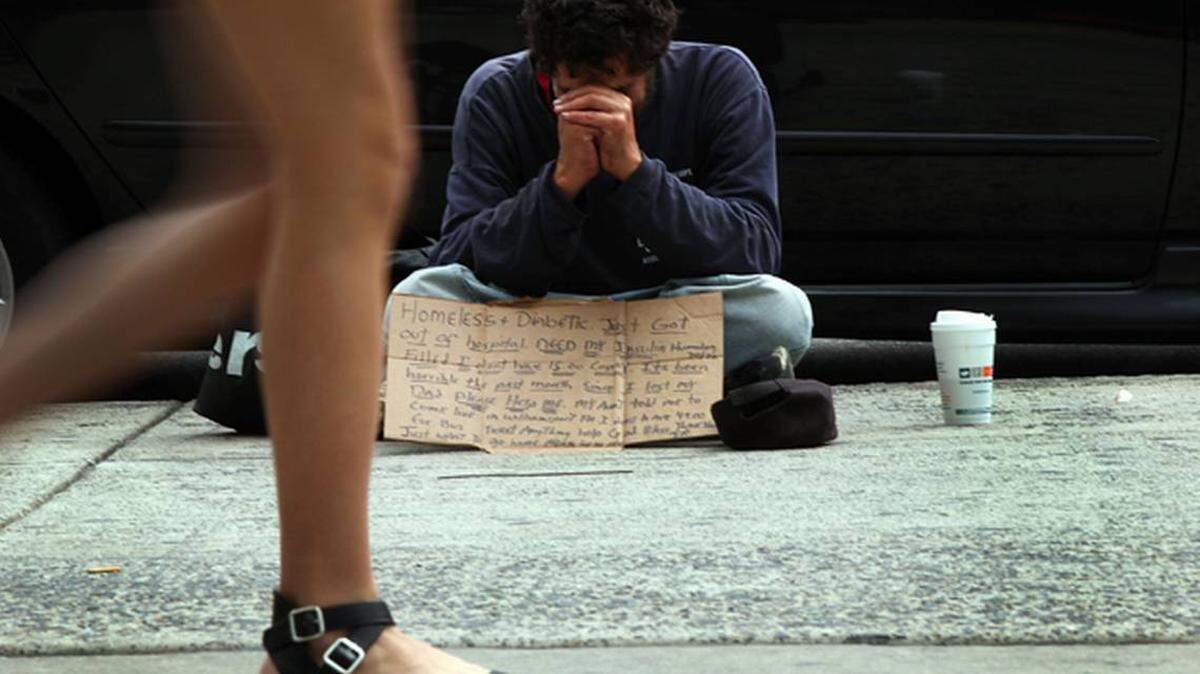
Linda Robertson’s Oct. 19 story, “Human waste from homeless people makes downtown Miami streets unpleasant, unsanitary” (10/19/19, by Linda Robertson), illustrates an issue of urgent concern to all who care about Miami’s growth and livability.
As a Miami resident, I have visited downtown businesses suffering from the blight of human waste despoiling the city. As a lawyer, I have represented people experiencing homelessness. As an advocate for the humane treatment of unhoused people, I see the injustice, stigmatization and bigotry suffered by the poor.
And I’ve been homeless in our Magic City.
With no prospect of affordable housing, I slept on the streets of downtown Miami. With few public toilets available, I was one of the thousands of homeless residents deprived of the dignity of relieving myself in safe and sanitary facilities.
How did I, an intelligent and capable man, educated at the elite George Washington University Law School in Washington, D.C., find myself in this situation?
The loss of a job. Without a family safety net or community support, and unable to afford a home, I became homeless.
Unaffordable housing is the root cause of homelessness. Cities with the highest homeless populations are those with the least amount of affordable housing. Miami ranks as the seventh least affordable housing market in the world, and is the second least affordable market in the United States.
So I was astonished that the Herald would include a quote from the Miami-Dade Homeless Trust, the agency tasked with ending homelessness in our city, saying “philosophical” opposition to public restrooms, based on the belief that they “only encourage homeless people to stay on the streets rather than move to a shelter where they can receive a continuum of care, education, job training and financial support to make the transition to permanent housing.”
Though well-intentioned, this statement perpetuates several pervasive myths about homelessness:
Myth No. 1: Handouts and food-sharing enable homelessness. There is not a shred of evidence to support the belief that handouts, charitable food assistance or public restrooms enable homelessness. I challenge anyone with this belief to spend a week sleeping on the streets of Miami — where you are vulnerable to theft, violence and daily loss of your possessions. Where you daily suffer societal stigmatization, loss of self-esteem and judgmental condemnation of fellow citizens. I did not become homeless as a result of relieving myself in public facilities. And my own trips to the rare public bathrooms in downtown Miami certainly did not encourage me to remain homeless.
Myth No. 2: The homeless are mostly mentally ill or drug addicts. This is not true. Although the incidence of mental illnesses is higher in homeless populations, only about 25 percent suffer a serious mental illness. Similarly, while substance abuse is also higher in the population of unhoused people, only about 40 percent struggle with substance-use disorders. Notably, many unhoused people self-medicate to assuage the repetitive trauma of living on the streets. In other words, homelessness often causes or exacerbates substance abuse.
Myth No. 3: The chronically homeless are service-resistant and must be compelled to accept shelter. Anyone who has ever slept on the streets of Miami is quickly disabused of the notion that homelessness is enjoyable or preferable to housing. But anyone who has spent nights in a homeless shelter also understands why it may be rational to sleep on the streets rather than be subjected to traumatizing crowded conditions and daily assaults on your dignity and self-worth by front-line shelter staff. Moreover, the inflexibility and multitude of shelter rules invite non-compliance, eviction and eventual banishment.
Homeless shelters are not the answer to homelessness. On the other hand, I’ve never met anyone experiencing homelessness who would refuse affordable permanent housing.
These myths, and the accompanying “philosophical” opposition to public restrooms, are rooted in a deep-seated societal bigotry against the “undeserving poor” — the idea that something is wrong with people who become homeless and they must be “fixed.” Because people experiencing homelessness are not on the street by choice but because they lack choices, these myths do far more harm than good.
What’s needed, instead, is policy rooted in evidence-based, trauma-informed practices.
Rather than asking what is “wrong” with someone experiencing homelessness, the better question is “what happened to you” that caused homelessness? Taking a trauma-informed approach allows for empathic connections and trust necessary to conduct effective outreach.
We must promote the hiring of certified peer support specialists, persons with the lived experience of homelessness, addictions or mental illnesses and who’ve overcome the challenges of that experience. There is a large body of evidence demonstrating the efficacy of peer support in furnishing support and outreach.
And advocates of homeless services, such as the Homeless Trust, must install more people with a lived experience of homelessness onto their boards of directors and furnish them with resources necessary for their meaningful participation. Can one imagine a women’s-rights organization with an all-male board of directors; or a civil-rights organization without people of color on its governing board? So why is it acceptable for service providers for homeless people to have no, or at the most one, person with a lived experience of homelessness on their boards?
Homelessness policies and services must be informed by those who are affected by such policies and services — otherwise, they’ll always lack credibility and efficacy.
Given the epidemic rise of hepatitis A in Florida, spread by human waste, the Homeless Trust’s refusal to fund public bathrooms raises dangerous public-health issues. Clearly, downtown Miami residents, business owners and tourists will all benefit from the presence of public restrooms.
David Peery is chair of the advocacy committee of the Camillus Health Concern Consumer Advisory Board.