
Miami-Dade commuters’ tolls will pay for North Florida roads they won’t use | Opinion
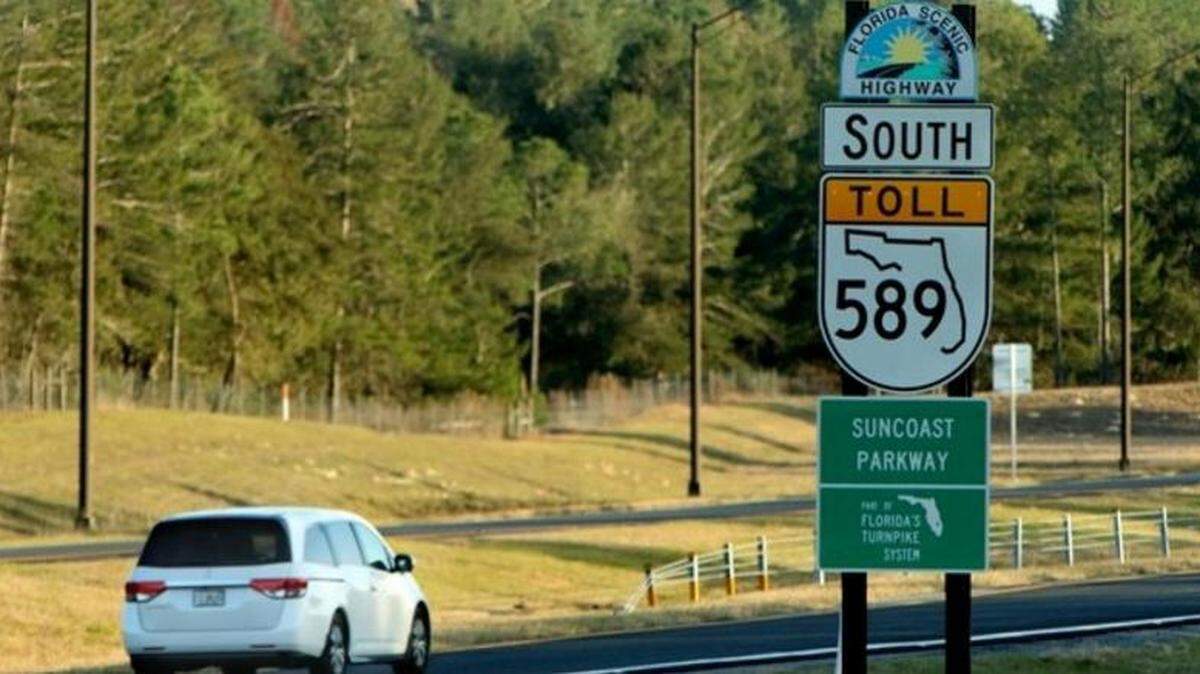
If you drive on Florida’s Turnpike, here’s something to think about: In a few years, a large chunk of the money you pay in tolls and gas tax is likely to be diverted to build 340 miles of new toll roads through some of Florida’s best remaining rural and agricultural — meaning undeveloped — lands along the state’s west coast.
Earlier this year the Florida House and Senate overwhelmingly supported — and Gov. DeSantis signed into law SB 7068 — or M-CORES as it is more commonly known. This new road system is planned to extend from the Georgia border in the Panhandle south to Collier County on the fringes of the Everglades. Given reasons include hurricane evacuation, although dumping millions of anxious Floridians onto two-lane roads in rural Georgia does not seem to be the most efficient solution.
Senate President Galvano — representing Manatee and part of Hillsborough counties — made this his top priority for the 2019 legislative session. The legislation passed overwhelmingly in both the Senate and House and includes an ironclad requirement that construction start in 2023 and be completed by 2030. This is an extremely ambitious timeline for the largest transportation project in Florida since the construction of the interstate system in the 1950s.
But are the predicted traffic volumes even reasonable, and will they generate enough toll revenue to cover the costs? Not if past projects are any guide. The 25-mile Wekiva Parkway around Orlando is estimated to take 18 years, from authorizing legislation to scheduled completion, costing $64 million a mile. At the same cost, the 340-mile M-CORES — slated to take a scant 11 years from authorization to completion — would cost taxpayers a whopping $21.76 billion.
And consider this: The typical new toll road in Florida requires significant deficit funding for the first 30 years of operation (before its annual toll revenues cover its annual debt service). So where will the rest of the funding come from? Excess tolls from the Turnpike System (primarily generated in Miami-Dade, Broward and Palm Beach counties) are the most likely source to help pay for these new roads through rural lands.
Another likely source is the reallocation of revenue from existing gas taxes, diverting scarce transportation dollars from much-needed urban road maintenance and improvement projects in Miami, Fort Lauderdale and beyond to promote development in rural areas. The final funding option? To pass an additional gas tax, which seems unlikely.
So, drivers in South Florida are likely to bear the brunt of paying for these new roads.
Transportation in Florida is supposed to be guided by a long-range plan, supplemented by five-year work plans, with new road systems guided by the corridor planning process. M-CORES circumvents all of this. The first step of corridor planning, adopted under Gov. Jeb Bush and reaffirmed by Gov. Rick Scott, is to determine need, ensure that the project is consistent with statewide, regional and local policies related to growth, identify environmental resources and develop a plan for moving forward.
But with M-CORES there is no transportation planning process to determine whether they meet these initial requirements and provide the best transportation solution for 21st-century Florida.
Not only has there been no meaningful analysis of the need for hundreds of miles of new roads, but also no documentation that this massive project will create permanent jobs in the rural areas as is being claimed. And there has been no analysis of how local governments will be able to pay the increased costs of providing schools, water and sewer lines, and other needed services and infrastructure for the sprawling new subdivisions sure to follow these roads and replace productive agricultural lands and open space.
Also, impacts on and costs of protecting sensitive springsheds that nourish Florida’s drinking water, habitat for panther and other vulnerable wildlife, or our dwindling farmlands have not been taken into account.
In this era of limited fiscal resources, it is time to follow the state’s well-vetted planning process to determine the best long-term solutions to address Florida’s massive transportation needs — and not hastily charge ahead on costly and unnecessary new toll roads. We, the taxpayers, deserve nothing less.
Tim Jackson, a transportation planner, has served on the board of directors of 1000 Friends of Florida for more than 20 years.