
Florida Keys leaders collaborate to save their paradise from rising seas, climate change | Opinion
This is an edited excerpt from Islamorada Mayor Deb Gillis’ opening remarks at the recent Climate Leadership Summit in Key West:
Leaders in the Florida Keys are striving to protect and enhance our natural habitat. Islamorada and Monroe County have a lot to protect.
Our biggest challenge is that the average elevation of the 113 miles of the Florida Keys is 3.2 feet above sea level.
Islamorada is a firm believer that strength lies in numbers, so our alliance with Monroe County, and all the municipalities in the county, is essential. We have come together on many issues to benefit the entire area.
Through these partnerships, our central sewer system projects were completed, sea-level-rise plans were developed and several canal restoration projects were completed.
The Hurricane Irma canal clean-up would have been more difficult and expensive without our partners. There are 62 canals in Islamorada and a total of 502 in the county. We are working on funding for a comprehensive countywide canal-restoration plan.
We are trying to get roadway elevation projects and other priorities of our Countywide Flood Mitigation and Sea Level Rise Resiliency Program included in the State Action Plan.
The section of U.S. 1 known as Sea Oats Beach at Mile Marker 74 is scheduled for elevation soon. Part of it washed out during Hurricane Irma.
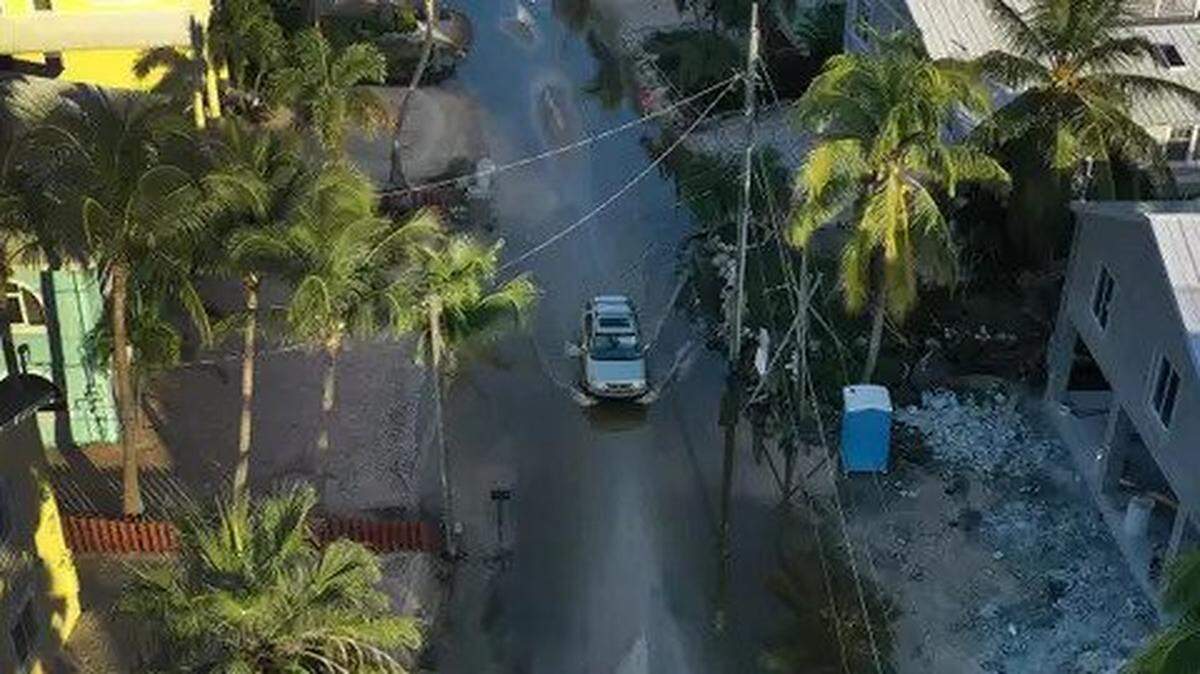
And autumn’s king tides were particularly high. One of Islamorada’s restaurants was flooded at high tide. Further, there are neighborhoods in Key Largo that have had water on their roads for more than 80 days. These are real experiences of sea-level rise that we live with daily.
The Florida Keys is made up of islands connected by the bridges of the Overseas Highway. The famous Seven Mile Bridge, at 35,716 feet, is the longest of the 42 bridges. The shortest is Harris Gap at only 37 feet. In all, there are 18.8 miles of bridges. That’s a lot of them to protect considering they are all on one road.
From atop those bridges, we look out at the ocean and are inspired to protect the environment and our future. Just a few miles offshore is North America’s only living coral reef ecosystem. We must protect and preserve the coral reef, beaches and shorelines.
Only through preservation of these natural features, can we protect our cities and our homes. They are natural barriers against hurricane surge waters and other natural disasters.
Islamorada utilized the data from our Sea Level Rise Plan and Coastal Resiliency Adaptation Plan to amend the Coastal Management Element of our comprehensive plan. We created goals, objectives and policies to address energy conservation, shoreline stabilization, protection of critical facilities and address our unique climate change impacts.
Even with a 35-foot building height restriction in place, we amended our building codes to increase the resiliency of new construction so that we can be prepared for rising sea levels.
This year, the entire world seems to be opening its eyes to the reality of how climate change and sea-level rise will impact our future and how it is impacting us today.
The importance of taking bold action, and taking that bold action now, cannot be overstated. This summit helps promote those bold actions by bringing us together to work toward common goals and to promote the actions that are needed.
Deb Gillis is the mayor of Islamorada.
“The Invading Sea” is the opinion arm of the Florida Climate Reporting Network, a collaborative of news organizations across the state focusing on the threats posed by the warming climate.