
I’m conservative, Republican and transgender. The Supreme Court should protect my rights | Opinion
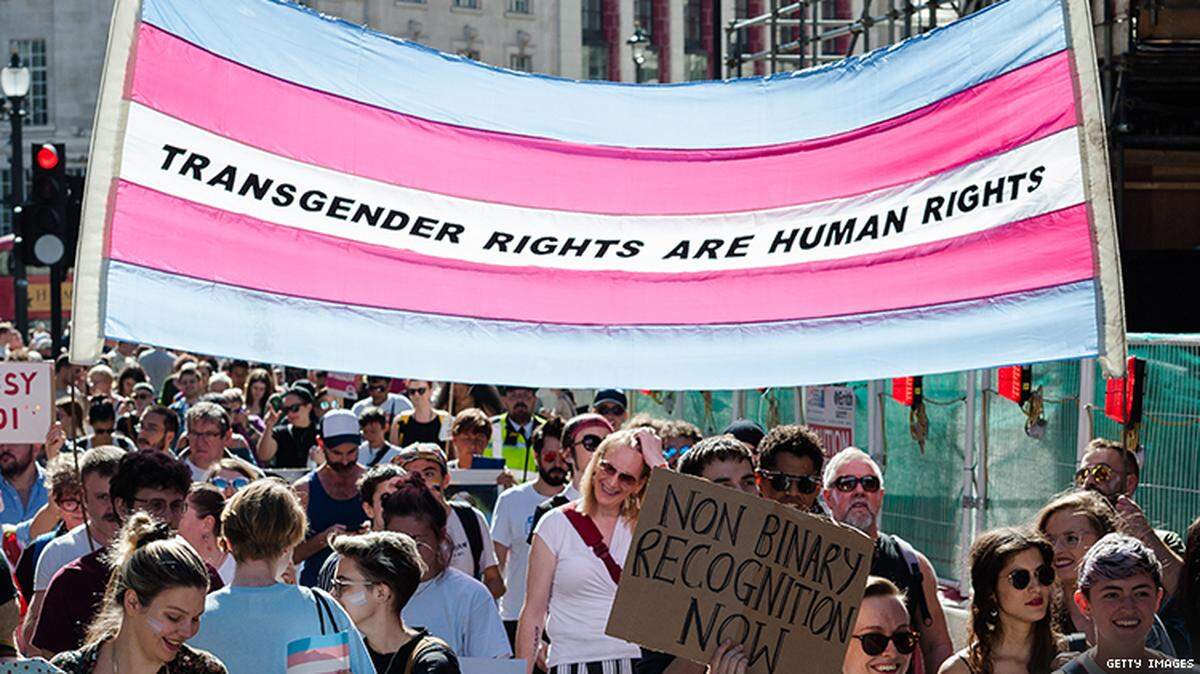
As a transgender woman, I was grateful to see many of my friends and neighbors following the LGBTQ employment discrimination cases heard before the Supreme Court in October. These cases — which will decide whether federal law protects LGBTQ people from workplace discrimination — are incredibly high stakes. The outcome will affect millions of LGBTQ people working across our country.
I know. I was fired from my job after coming out as transgender.
When I came out as transgender to my employers at the college where I worked and told them of my plans to transition from male to female, I was not expecting the fight that followed. In a day, I was in a meeting with HR, being put on a performance improvement plan. Though I had no previous disciplinary action against me in my previous four years at the college, where I served as assistant director of the Health Sciences Simulation Center, I was fired six months later. I was told that it was because of my transition. They made my life pure hell.
Living and working openly as a transgender woman was a necessary decision for me. I was on hormones and had multiple attempts at transitioning over the past nine years. After a suicide attempt, I said, “Hey, I’m going to be who I am, and to hell with it.” I came out as transgender to my wife three years ago. I also became an LGBTQ adviser for the college and as a trained paramedic and EMS chief. I felt like a leader with purpose in the school community. But the college administration continued to escalate it complaints against me. Ultimately, it resulted in my sudden termination. I lost an $80,000-a-year job. Now I’m back to working as a paramedic and a paralegal.
Like Aimee Stephens, the plaintiff in one of the cases before the Supreme Court, I am now standing up in court to defend my freedom against employment discrimination. I hope the court that hears my case will concur with the many lower federal courts that have long held that firing someone for being LGBTQ is unlawful sex discrimination.
I’m also a lifelong conservative Republican, actively working with fellow conservatives who support freedom and dignity for LGBTQ people. All Americans should be judged based on their character and actions, not on who they are or whom they love. My case isn’t about politics; it’s about basic dignity and respect. I think conservatives should speak up to others and say, “I was brought up Christian, I taught Sunday School, I taught vacation Bible study and what I do know is that at least the God that I pray to looks at me as one of His children.” It’s supposed to be, “Love your neighbor as yourself.” It’s not, “Love your neighbor as yourself unless they’re in the LGBTQ community.”
I’m pleased to see that conservative support for nondiscrimination protections is growing nationwide, with a majority saying they are supportive. Increasingly, conservatives are speaking out about their belief that every American should have the freedom to work and earn a living. These aren’t just conservative values — they’re American values, and working toward the day when no one faces discrimination makes our country stronger.
Regardless of how the Supreme Court rules, we need states like Florida that lack LGBTQ nondiscrimination protections to pass a comprehensive statewide bill. Ultimately, we’ll all breathe easier when Congress passes The Equality Act, making these protections a lasting piece of federal law. These are the ideals our country was founded on: ensuring that every American has the right to work hard, make a living and provide for their family without worrying about being discriminated against simply for who they are, or whom they love.
Erin Dotten lives in Broward County, Florida.