
‘People power’ toppled the Berlin Wall. The same thing is happening in Latin America | Opinion
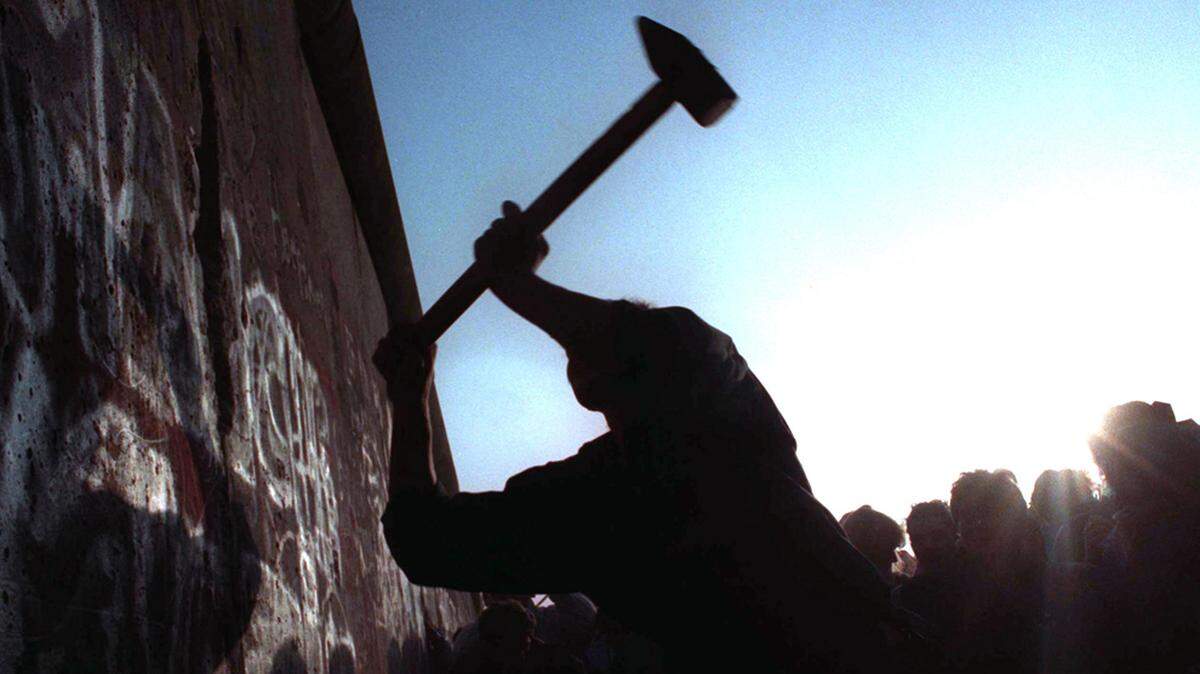
Earlier in November, the free world celebrated the 30th anniversary of the fall of the Berlin Wall. Commemorative events in Germany and around the world reminded us of the hope and joy in the hearts and minds of millions of German citizens on November 9, 1989. Stone by stone, the wall came down, geographically reuniting Germany while symbolically bringing an end to communism in Eastern Europe.
Back then, I was a newly minted freshman member of Congress. Yet the hope for freedom exhibited by Germans in Berlin as the wall was torn down was not much different from that which many Cuban American exiles expressed when they first voted for me. Although millions of miles apart, Germans and Cubans endured long and oppressive communist dictatorships.
Thirty years later, the German people are free and prosperous, but the Cuban people continue to suffer under the tyranny of the Castro dynasty. Yet the Cuban spirit for freedom, fostered by brave men and women like José Martí, Antonio Maceo, Mariana Grajales, Orlando Zapata Tamayo, and Laura Pollán, lives on.
Last week, I had the honor of meeting with former Polish President Lech Wałęsa in Washington at a conference hosted by the National Endowment for Democracy to commemorate the 30th anniversary of the historic democratic transitions in Poland and Central Europe. While at this important event, I was able to spend time with many defenders of freedom, democracy, and human rights, including NED President Carl Gershman and former Polish Deputy Prime Minister Leszek Balcerowicz.
An electrician by trade, Wałęsa inspired millions of his fellow Poles and freedom-loving citizens around the world as the head of the Solidarity labor union that fought for freedom from communism. While I met Wałęsa many times during my years in Congress, I am always awed by the Nobel laureate’s tenacity, conviction and dedication to freedom around the world. For the men and women of his generation, Wałęsa embodied the Spirit of 1989.
Today, that spirit remains alive around the world. Closer to home, the Spirit of 1989 is alive in José Daniel Ferrer García, who was detained by Cuban authorities for expressing his opposition to the Castro dictatorship and has not been seen or heard from since October 1st. The Spirit of 1989 is alive in Venezuela, where interim President Juan Guaidó leads a new generation of leaders seeking to end two decades of repression and corruption instituted by Hugo Chávez and has continued under his successor, Nicolás Maduro. In Nicaragua, the Spirit of 1989 is alive in young citizens who bravely risk their lives in the streets to fight the dynastic tyranny of Daniel Ortega and Rosario Murillo. In recent weeks, the Spirit of 1989 emerged in Bolivia, where Evo Morales’ kleptocratic regime came to an end after over a decade of abuse and stolen elections, prompting Bolivians to say “Enough!”
The current struggles in Cuba, Venezuela, Nicaragua, Bolivia, and other countries around the world provide the clearest and most important lesson of the Spirit of 1989: The Berlin Wall did not fall. It was toppled. Iconic figures like Lech Wałęsa, Ronald Reagan, George H.W. Bush, Margaret Thatcher, Václav Havel, Helmut Kohl, and Pope John Paul II provided the necessary pressure to weaken communism across Eastern Europe. But it was the oppressed citizens of the Eastern Bloc who physically brought down the Berlin Wall and the tyranny that it represented. The dictatorships of Latin America will not collapse on their own. It is the sustained opposition of citizens, together with international pressure, that will usher in the return of freedom and democracy.
Stone by stone, idea by idea, voice by voice, the virtues of freedom, democracy, human rights, and justice prevailed over those of repression, abuse, and injustice. The sacrifices of those brave citizens bore fruit. Today, Eastern Europe is free, democratic, innovative, creative and integrated into the society of nations. Their experiences and lessons learned during those distant, yet uncertain, days in 1989 still resonate throughout Latin America and around the world.
Ileana Ros-Lehtinen spent almost 30 years in Congress representing South Florida. She writes a monthly column for the Miami Herald. Send her your comments at HeraldIleana@gmail.com.