
Repeal Florida law that leaves immigrant domestic-violence victims in greater danger | Opinion
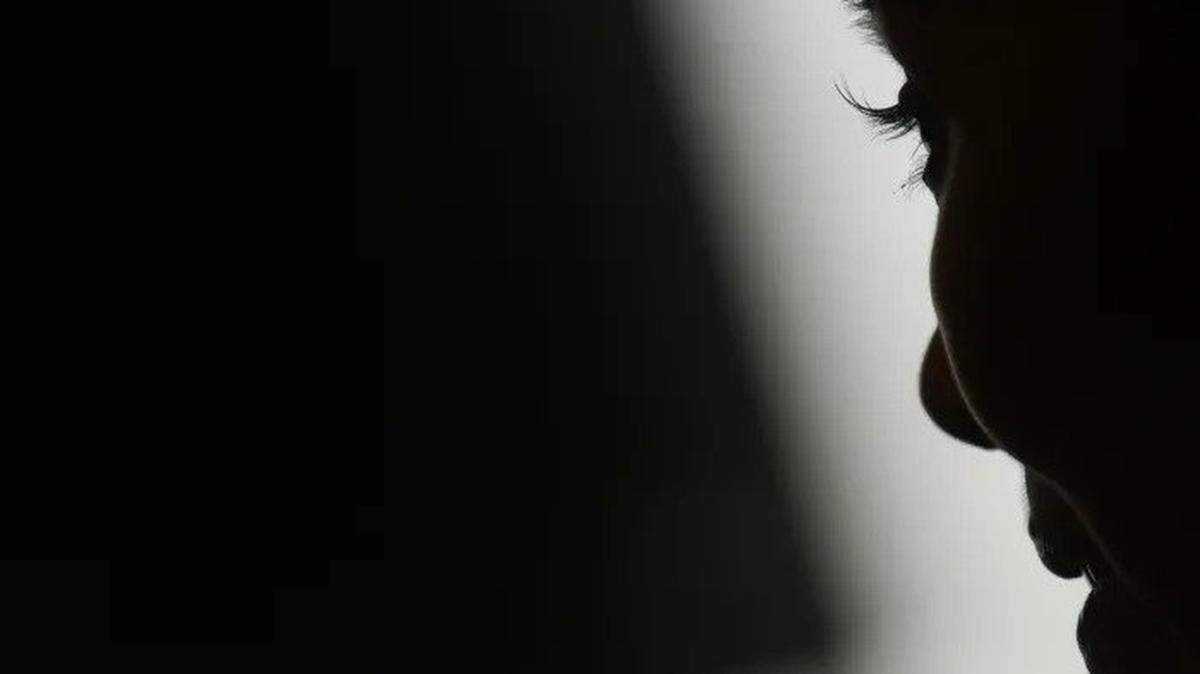
Last month, as communities across Florida observed Domestic Violence Awareness Month, a new state law went into effect that puts victims directly in harm’s way.
This new anti-immigrant law, SB 168, requires every county and municipality in Florida to expend “maximum local resources” and make “best efforts” to enforce federal immigration laws by cooperating with federal immigration authorities to arrest and detain individuals suspected of being illegal immigrants.
SB 168 will likely result in unprecedented numbers of immigrants being deported. It will have a devastating effect at the community level — tearing families apart, disrupting labor markets, affecting classrooms and eroding public trust of law enforcement. The law also traps immigrant victims of domestic violence in a Catch-22 situation: Ask for help and risk deportation, an abuser’s retaliation and separation from one’s children. Or stay with a violent partner and risk one’s life.
SB 168 already has caused widespread confusion and panic for victims across the state.
The harmful effects of local law enforcement’s entanglement with Immigration and Customs Enforcement (ICE) were visible even before SB 168 was enacted. Take, for example, an April 2018 domestic violence incident involving a Guatemalan minor in Gainesville. A spokesperson for the Gainesville Police Department publicly reported the victim’s address and declared that, “We have clear evidence to believe that they are illegal” and that, “We would report them to ICE.” The victim and witnesses disappeared several days later, making an effective investigation and prosecution all but impossible.
The Gainesville incident illustrates what has been documented in a recent national survey by the Tahirih Justice Center: Immigrant victims of domestic violence, sexual assault and trafficking are far less likely to contact police, pursue civil or criminal cases or go to court for any reason when they fear serious immigration consequences for doing so — even though this may increase their risk of danger. And by chilling the reporting of domestic violence and other crimes, anti-immigrant laws like SB 168 jeopardize public safety. Domestic violence-related calls constitute the single largest category of calls that police receive, accounting for 15 percent to more than 50 percent of all calls. When domestic violence goes unreported, entire communities are put at risk.
Moreover, immigrant victims transferred to ICE custody as a result of SB 168 will be retraumatized as they wait in inhumane detention centers to have their cases heard. All too frequently, women are abused and harassed by personnel. And SB 168 will lead to family separation, resulting in children being left with the abusive parent (who is statistically more likely to be abusive to the children) or placed in the foster-care system.
SB 168 contains an “exception” that supposedly protects victims of domestic violence from being reported to ICE, but this protection is illusory. While the exception does not require state and local entities to ask about the victim’s immigration status and provide this information to ICE, it still permits them to do so on their own initiative. That gives SB 168 the distinction of being even more draconian than Texas’ similar anti-immigrant law, which explicitly prohibits officers from inquiring about a victim’s immigration status.
Recently, state Rep. Cindy Polo, of Hialeah, introduced a bill, HB 173, that would largely undo SB 168. And last week, U.S. senators introduced the Senate companion to the House-passed Violence Against Women Reauthorization Act (VAWA), a landmark piece of legislation that, since its original passage in 1994, has marked a seismic shift in national, state and local responses to victims of domestic violence, dating violence, sexual assault and stalking. Over the years, VAWA’s immigration provisions have provided a life-saving safety net for foreign-born domestic-violence victims, such as the ability to petition for immigration relief separate from their abusive partners.
It is nothing short of ironic that in October — the very month in which Florida committed to addressing the scourge of domestic violence — such a devastating piece of state legislation for immigrant domestic violence survivors went into effect.
What can be done to protect domestic-violence survivors in the state? First, Florida’s lawmakers should pass HB 173 and repeal SB 168. Second, Florida’s law enforcement leaders and elected officials should speak out against SB 168 as a hateful law that places the lives of domestic-violence victims at risk. Third, Florida’s U.S. senators should support reauthorization of the current version of VAWA, which provides stronger protections than ever before.
Let’s send a message to all survivors of domestic violence that they are welcome in our state and our country, and that we are committed to creating a safety net for them — regardless of their immigration status.
Caroline Bettinger-López is a professor of law and director of the Human Rights Clinic at University of Miami School of Law. She was adviser on Violence Against Women in the Obama White House and senior adviser to Vice President Joe Biden. Jamila Flomo and Amanda Suarez are second-year law students at the University of Miami School of Law’s Human Rights Clinic.


This story was originally published November 15, 2019 at 5:28 PM.