
Florida must end solitary confinement. It’s inhumane and doesn’t keep us safe | Opinion
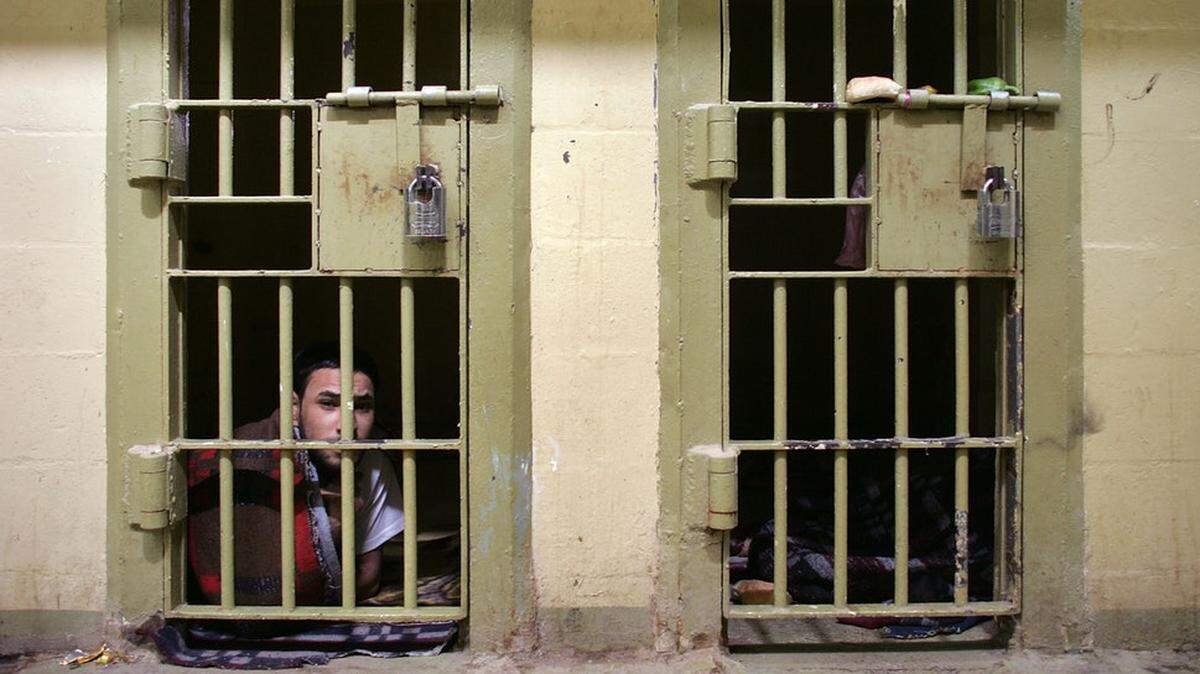
This year, federal lawsuit was brought against the Florida Department of Corrections (FDC) over its excessive reliance on solitary confinement, despite an abundance of information about its damaging effects.
Some critics warn that solitary confinement is being increasingly used as a management tool by understaffed correction institutions in overcrowded state prisons. It has been documented that some inmates spend years, sometimes decades, in solitary confinement, with breaks of only one or two hours each day.
Studies show that this has crippling effects on a person’s mental health and increases the chance of recidivism, if that inmate is lucky enough to make it out of prison. Many are not so fortunate. Research suggests that individuals in solitary confinement are much more likely to commit suicide than those in the general prison population. Out of the 80 FDC inmates who committed suicide between January 2013 and August 2018, 48 were in solitary confinement and an additional 24 had previously been in solitary.
Furthermore, after a period in solitary, inmates are much more likely to engage in misconduct or hostile behavior toward corrections officers and other inmates, rendering the use of solitary confinement as a behavior management tool counterproductive at best, and potentially deadly at its worst. Like many other practices in Florida’s criminal-justice system, the use of solitary confinement is also marked by racial bias: while 16.9 percent of Floridians are black[6], they represent 47 percent of the state’s prison population, and at least 60 percent of individuals placed in solitary confinement[7].
Not long ago, I visited a solitary-confinement cell. The frigid concrete space featured a bare toilet and little else. I was struck by how small and enclosed it was. My instinct would not allow me to venture too far in, lest I get a sense of claustrophobia. It became immediately clear how confinement to a space so austere, both materially and psychologically, could result in grave damage to one’s mental state.
While the use of solitary confinement is declining in certain states, and research increasingly demonstrates its deleterious effects on mental health, Florida remains an unfortunate outlier in this regard, with the percent of inmates housed in solitary hovering at double the national average.
This legislative session, I plan to address Florida’s overuse of solitary confinement. Too many deaths in Florida’s prisons have resulted from it. It’s time for the Florida Legislature to step up and end this inhumane practice.
Florida Sen. Randolph Bracy III represents much of western Orange County. He sits on the Florida Senate Criminal Justice Committee and is vice chair of the Florida Senate Appropriations Subcommittee on Criminal & Civil Justice.