
‘Hicken-who?’ Experience as governor no longer a path to the White House. That’s a shame | Opinion
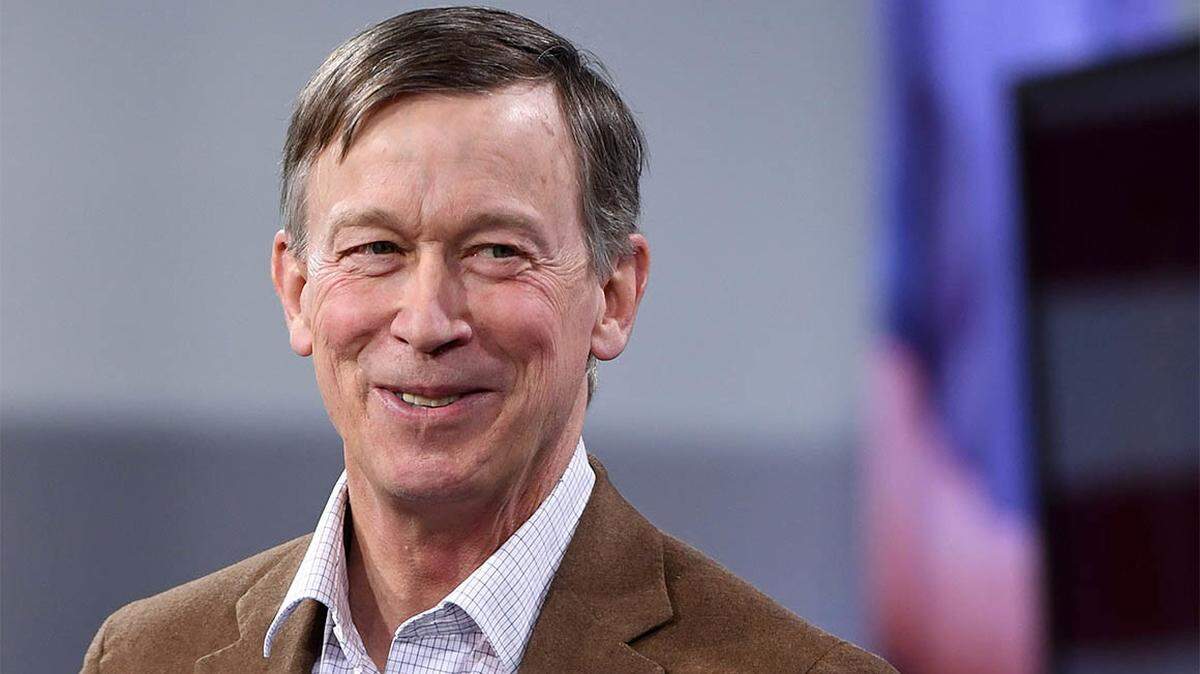
It’s hard not to feel a little sorry for John Hickenlooper.
He did everything you’re supposed to do to become a White House contender. First, he started a successful business in Colorado — one of the first brewpubs around. He then launched a long-shot bid for Denver mayor, which he won. He was re-elected four years later with 86 percent of the vote.
Then it was on to eight years as Colorado’s governor. Along with overseeing nearly a decade of a booming state economy, he also racked up Democrat-favored legislative wins from expanding Medicaid to passing gun safety measures limiting high-capacity magazines and requiring background checks to reducing methane emissions from the oil and gas industry.
By the time he left the governor’s mansion this year, Colorado had 500,000 more new jobs than when he was first sworn in. So hello, top-tier presidential campaign, right?
Uh, no.
I met Hickenlooper recently in South Carolina when I was standing with my friend and CQ Roll Call colleague Walter Shapiro at the back of a convention hall where 22 of the 24 Democratic presidential candidates were speaking on a single Saturday at the state party’s annual convention.
We saw Hickenlooper casually stroll past in not-quite-pressed khakis and a blue blazer. He was eating strawberry Twizzlers and going unrecognized by the assembly of thousands of devoted Democratic activists. “Wasn’t that John Hickenlooper?” I asked the man next to me. “Who?” he said.
Walter went up to Hickenlooper and asked how it was going. It was going OK, Hickenlooper said. He understood that it was hard for voters to suss it all out, because there were more than 20 resumes to wade through. Then he added, “The fact that I’ve done all the things that the others just talk about should set me apart. But not yet.”
Hickenlooper is 100 percent right. All of the achievements he’s had as governor should set him apart from the monster field dominated by senators and House members. While the legislators mostly debate and talk about things they could or should do, governors typically have no choice but to act. A flood? A fire? A budget deficit? Hickenlooper has been there and done that.
So has Jay Inslee, the former congressman and current governor of Washington state, who is also in the race but listing toward the back of the pack with Hickenlooper. You’d think that Inslee’s efforts to eliminate the death penalty, sue the Trump administration and push for 100 percent clean emissions in his state would make him a sure thing with Democratic primary voters. But even the ones who like him can barely pronounce his name.
At least Inslee and Hickenlooper were included among the 20 on the debate stages in Miami last month. The third Democratic governor in the race, Montana’s Steve Bullock, couldn’t even manage that. Thanks to his late entry and his zero-ish poll numbers, he was shut out of the event by the likes of Reps. Eric Swalwell and Tim Ryan, whose frequent cable-news appearances lifted them above 0 percent in the polls and ahead of Bullock at the time. (Swalwell has since dropped out of the race.)
Bullock is a former state attorney general and now two-term governor of Montana who expanded Medicaid in his red state, signed an executive order to protect LGBTQ state employees from discrimination and protected net neutrality, all with a Republican Legislature to work with.
But even with all of those accomplishments between him, Hickenlooper and Inslee, they got 1 percent in the latest YouGov/ Economist survey. Combined.
It’s hard to say what happened to the days of Ronald Reagan, Jimmy Carter, Bill Clinton and George W. Bush’s well-worn paths from their governor’s mansions to the White House. At some point, the hard work of leading states became unacceptably ho-hum for Democrats looking for a giant killer, while duking it out in committee hearings in the Senate turned into the hottest new job in America.
Two strikes against governors have been Barack Obama and Donald Trump, who both argued that extensive experience in government wasn’t proof of success in life, but evidence of failure. Another problem for chief executives: cable news, covered and smothered in political controversies and hyperventilations, with House members and senators a phone call away from a standup in the Rayburn and Russell buildings. The feedback loop from “Morning Joe” to ActBlue and small-dollar donors makes previously impossible campaigns entirely possible now, while it leaves governors stuck three time zones behind Eastern Standard Time out of the conversation.
But if the last two years have taught us anything, it’s that government experience is a valuable preparation for running the country. Had Trump worked even a day outside Trump Tower, he hopefully would have known enough not to respond to a Rohingya refugee in the Oval Office on Friday with, “Where is that exactly?” And he might have vetted his Cabinet nominees with more than familiarity from “Fox & Friends.” Or understood the separation of powers embedded in the Constitution. Or why nepotism and financial conflicts of interests are so corrosive to government systems. But I digress.
My point is: Experience matters. Pay attention to the Democratic governors. They’ve earned at least that.
Patricia Murphy covers national politics for The Daily Beast.
Tribune Content Agency, LLC.